


Views: 0 Author: Site Editor Publish Time: 2025-12-15 Origin: Site


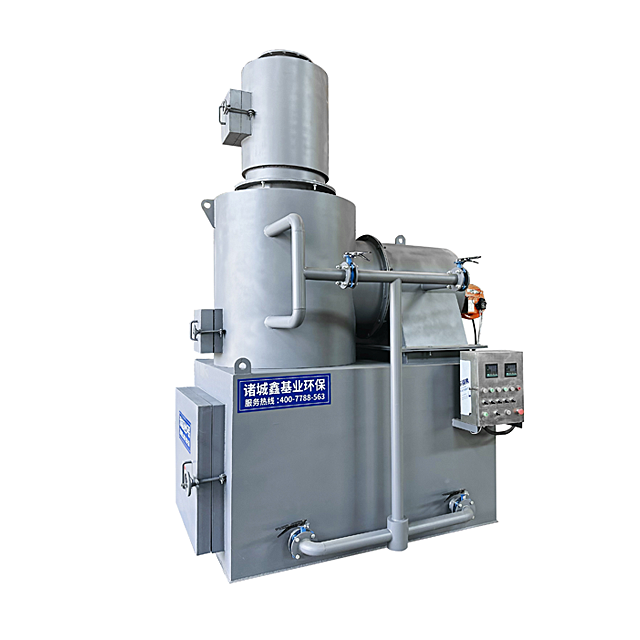
Need faster waste control today? Many teams do. Fixed systems create delays. Containerized incinerators offer rapid, flexible waste treatment. They boost mobility and cut setup time. These units keep projects moving. In this article, you will learn how they speed up waste operations.
Containerized incinerators arrive ready to use. Each system is pre-assembled inside a secure ISO shipping container. Users place it on level ground and connect basic utilities. It works without long installation steps. This plug-and-play approach shortens preparation time and keeps teams focused on operations rather than construction delays. Pre-built units also help businesses meet rapid deployment needs in remote or high-pressure environments.
Fixed incinerators often need heavy civil works. These steps slow projects and add significant cost. Containerized systems avoid this issue. They need almost no site preparation. They operate on simple ground surfaces and require no foundations or specialist structures. By removing these steps, teams gain precious time and avoid project bottlenecks.
These systems include everything required for immediate operation. The fuel system, control panel, chimney, and emission controls are built into the container. Integrated engineering reduces commissioning time because teams do not coordinate separate components. It also lowers the risk of installation errors that cause delays.
Many industries move often. Construction crews shift job sites. Exploration camps relocate. Emergency teams respond to new areas. Containerized incinerators support this pace. Teams disconnect utilities, close the container, and transport it to a new site. No dismantling. No delays. This mobility helps operations maintain speed across multiple locations.
Automation improves waste handling. Modern containerized systems include automated burners, timers, air controls, and safety programs. These features reduce manual work and shorten burn cycles. Automation also supports consistency, helping teams process more waste in less time with fewer staff.
Waste transport is slow and expensive. Trucks face long routes, bad weather, or blocked roads. Transport also increases safety risks. Containerized incinerators solve this issue by working directly at the waste source. Teams avoid transport delays and handle waste immediately. This direct approach protects schedules and increases efficiency.
Standard ISO dimensions help users ship units worldwide without delay. Logistics teams can load units onto ships, trucks, or aircraft using familiar equipment. This uniformity also reduces administrative time because shipping companies already approve ISO formats. It is a key part of the benefits of containerized incinerators for rapid deployment, especially for global projects.
Tips: Choose ISO-certified containers to reduce customs delays and simplify long-distance transport.
Containerised incinerators deliver fast, flexible waste control in environments where time directly affects safety, productivity, and operational continuity. Their rapid deployment and mobility make them essential across industries facing unpredictable or high-volume waste challenges.
Outbreaks, natural disasters, and conflict zones generate large volumes of hazardous and general waste in a short time. Delayed disposal increases health risks.
Containerised units deploy far faster than fixed systems. Teams can set them up on arrival, enabling immediate medical waste and debris handling with minimal preparation.
On-site processing eliminates the need for waste transport, allowing emergency teams to stabilise environments and protect communities more quickly.
Waste Category | Why Speed Matters | Containerised Advantage |
Medical waste | High infection risk | Fast on-site destruction |
Food waste | Rapid spoilage | Immediate containment |
Debris waste | Accumulates quickly | Reduces volume instantly |
Mining operations, drilling rigs, and off-grid camps operate in regions without reliable infrastructure. Waiting for traditional installations causes costly downtime.
Containerised incinerators arrive as complete systems. They require minimal site work and function independently from local utilities, keeping mission-critical activities on schedule.
Fast waste removal helps remote sites maintain safety, reduce wildlife attraction, and avoid logistical bottlenecks.
Challenge | Impact | Containerised Solution |
No local waste service | Waste piles up | On-site treatment |
Harsh weather | Slows installation | Weatherproof design |
Limited personnel | Delays operations | Automated controls |
Industrial facilities, military bases, and large public events generate waste continuously. A slow system disrupts schedules and affects safety and efficiency.
Their optimized combustion chambers and rapid cycle times maintain steady throughput, allowing teams to keep facilities clean and operational.
Fast turnover reduces storage needs and prevents operational delays, particularly during peak activity periods.
● Industrial processing zones
● Disaster relief camps
● Military field operations
● Large sporting or cultural events
Short-duration construction projects, seasonal work zones, and temporary camps cannot justify permanent infrastructure.
Containerised incinerators move easily between sites. Teams simply disconnect utilities, close the container, and transport it to the next location—no dismantling required.
These units leave no permanent structure behind, helping teams meet environmental and regulatory requirements while staying on tight timelines.
Requirement | Fixed Systems | Containerised Units |
Setup time | Long | Short |
Relocation | Difficult | Simple |
Cost impact | High | Predictable |
Project flexibility | Limited | High |
Always assess site duration, mobility needs, and waste volume before choosing between a mobile or fixed waste system. Containerised incinerators deliver faster results in time-sensitive environments, making them ideal for operations where every hour matters.
Containerized incinerators house all critical components inside a single ISO container. Fuel systems, emission controls, control panels, and the main combustion chamber arrive pre-installed and pre-tested.
This integrated approach eliminates the need for complex assembly or contractor coordination. Teams simply position the unit, connect power or fuel, and begin operation. The streamlined design reduces technical errors and shortens start-up time, allowing waste processing to begin within hours instead of days.
● No multi-team installation delays
● Reduced risk of component mismatch
● Faster commissioning and safer startup
● Lower dependency on external infrastructure
Traditional outdoor incinerators often require shelters, foundations, or weatherproofing before use. Harsh climates can halt installation and disrupt operations.
Containerized units solve these issues through reinforced, weather-proof construction. They operate reliably in extreme heat, heavy rain, snow, and wind. This durability ensures consistent performance in regions where weather can compromise construction schedules or daily operations.
● No need to wait for clear weather to install
● Equipment remains protected during storms
● Continuous uptime in remote, harsh environments
● Reduced maintenance caused by climate exposure
Many industries face fluctuating waste volumes. A single fixed incinerator cannot easily scale up or down.
Containerized systems use modular layouts that allow users to add or reposition units as waste volume changes. Teams can start with one unit and expand capacity as needed by placing additional modules on-site. This adaptability prevents bottlenecks and maintains operational speed during peak waste generation.
● Faster expansion for disaster relief sites
● Temporary overflow capacity during events
● Ability to relocate units based on demand zones
● Scalable infrastructure without construction delays
Improved air control, burner timing, and cycle automation produce faster burn rates. These features reduce operator workload and improve energy efficiency.
Tips: Ask vendors for automated systems that include remote monitoring to cut on-site labor time.
Modern chambers burn waste faster and more efficiently. They support complete combustion, which shortens cycle time. This speed ensures continuous flow and reduces storage needs.
Automated loading, ignition, and temperature controls reduce operator involvement. Less manual work means fewer delays and lower labor costs.
Transport delays are common in remote regions. Fuel shortages, road damage, or long distances slow waste removal. Containerized incinerators remove this risk by processing waste on-site.
Simplified systems lower maintenance time. Pre-tested components reduce early failures. This reliability helps operations stay on schedule.
Notes: Regular inspections protect uptime and extend equipment life.
Containerised incinerators deliver speed not only in daily waste processing but also in how quickly they can be moved and relaunched. Their design supports flexible redeployment across projects with shifting needs, making them ideal for industries where location changes are frequent or urgent.
These systems are built for movement. Operators simply close the container, disconnect utilities, and transport the unit to the next site. No dismantling, no complex teardown, and no reassembly on arrival. This ability to relocate instantly prevents long pauses between projects and keeps waste operations running without interruption.
Because containerised incinerators use ISO-standard dimensions, they fit seamlessly into global shipping networks. Crane lifts, customs processes, and transport scheduling become faster and more predictable. This efficiency is especially valuable for emergency teams, military operations, and international contractors who cannot afford logistical delays.
Exploration teams, road crews, and humanitarian organisations often shift locations based on project phases or seasonal requirements. Containerised units allow these teams to maintain consistent waste control across each move, ensuring safe and reliable operations in environments where fixed systems are impractical.
Tips: Use a transport checklist to keep redeployment fast, safe, and organized.
Speed is not just about burn rates or deployment—it also affects overall project cost. Containerised incinerators reduce spending by eliminating installation work, shortening planning cycles, and lowering long-term operational expenses.
Traditional incinerators require engineering support, foundations, and lengthy installation phases. Containerised systems remove these steps entirely. They arrive fully built and tested, allowing teams to begin operations almost immediately. This avoids costly delays and keeps projects on schedule.
Pre-tested, pre-configured units simplify planning. There is no need to coordinate multiple contractors or design custom setups. Faster commissioning means teams spend less time waiting and more time operating, improving productivity across the site.
Non-container systems often need multiple shipments or specialized handling. Containerised units ship as a single, uniform piece. This reduces freight charges, prevents damage-related delays, and speeds up customs clearance—especially in regions with strict transport protocols.
Modern containerised units use optimized combustion controls that reduce fuel consumption and limit operator workload. Automated systems shorten cycle times while reducing energy waste, helping organisations maintain long-term cost control without sacrificing speed.
Notes: Always evaluate total cost of ownership, not just the purchase price, when comparing waste solutions.
Fast waste management is only possible when systems operate safely and without interruptions. Containerised incinerators integrate compliance features that keep operations running smoothly and protect teams in demanding environments.
Modern containerised units include advanced burners, scrubbers, and filtration systems. These features help organisations meet environmental standards immediately, preventing shutdowns or compliance-related interruptions.
Temperature, pressure, and emission sensors monitor performance in real time. If unsafe conditions arise, the system triggers an automatic shutdown. This protects equipment, reduces incident risk, and supports faster recovery.
Weather-resistant steel containers protect the incinerator from harsh climates and unauthorised access. This stability ensures reliable operation in remote or high-risk areas where downtime is costly.
Industries dealing with medical or biological waste require controlled destruction. Containerised units maintain safe combustion conditions and prevent contamination issues that could halt operations.
Tips: Request updated emission and safety certificates to confirm the unit meets project requirements.
Selecting the right configuration is key to achieving maximum speed and efficiency. Certain system features directly influence how quickly and reliably waste can be processed on-site.
Burn rate determines how fast waste can be processed. Undersized units create backlog, while oversized units increase fuel use. Choosing a capacity between 90–300 kg/hr helps maintain efficient cycle times.
Higher automation reduces manual tasks and shortens burn cycles. Integrated emission controls also eliminate the need for additional equipment, supporting faster setup and consistent operation.
For teams that relocate frequently, container mobility is essential. Units designed for quick transport enable seamless moves between worksites without lengthy teardown.
Fuel type and consumption impact operational speed. Remote or fuel-restricted sites benefit from high-efficiency models that reduce fuel load and maximise uptime.
Notes: Confirm local fuel supply and environmental requirements before selecting a model to avoid operational delays.
Containerized incinerators speed waste handling through fast deployment, easy mobility, and efficient on-site treatment. They cut delays and reduce civil works. They also improve burn cycles through automation. These systems help teams stay flexible and maintain steady operations. Many organizations choose them for reliable and rapid waste control. Zhucheng Xinjiye Environmental Protection Equipment Co., Ltd. offers containerized solutions that deliver strong value through stable performance and dependable service.
A: It deploys fast and offers key benefits of containerized incinerators for rapid deployment, reducing delays.
A: They need no major setup and act as a mobile incineration system, supporting rapid deployment needs.
A: Yes, it treats waste on-site and delivers strong benefits of containerized incinerators for rapid deployment.
A: Emergency, mining, and remote sites use it for rapid setup and fast containerized incinerator deployment.
A: Yes, the mobile incineration system moves easily between sites and supports rapid deployment efficiency.


