


Views: 0 Author: Site Editor Publish Time: 2025-12-24 Origin: Site


Incineration has been a key solution to waste disposal for centuries. But how has this process evolved?From simple open-air burning to sophisticated waste-to-energy systems, incineration has undergone significant transformation.In this article, we will explore the history and evolution of incineration, examining how it has shaped modern waste management techniques.
The discovery of fire marked a pivotal moment in human history, offering an efficient means of waste management. Early humans likely recognized the utility of fire not only for warmth and cooking but also for waste disposal. Open-air burning of waste became a practical method to eliminate organic refuse.
While this method was rudimentary, it served an essential purpose: reducing waste volume and preventing the spread of disease. Organic waste, such as food scraps and plant matter, would be set alight in open spaces, ensuring that harmful pathogens were destroyed in the process.
Early Waste Disposal Method | Function | Benefit | Drawback |
Open-air burning | Burning organic waste in open spaces | Reduced waste volume and prevented disease spread | Inefficient, uncontrolled fires, air pollution, safety risks |
As civilizations like the Egyptians, Romans, and Native Americans evolved, so did their waste management practices. Fire continued to play a central role, but the methods of incineration became more structured. In these ancient societies, fire was used to dispose of refuse, particularly in public areas such as streets or designated disposal sites.
For example, in Ancient Rome, waste disposal was handled in communal spaces where waste would be incinerated. Similarly, Egyptians employed fire for sanitation purposes, burning organic matter and preventing the spread of disease. These practices were not unique to one region but were common across various cultures, showing that fire was an effective and widely used solution.
Despite its benefits, early incineration methods were not without significant drawbacks. The lack of technological advancements meant that these incineration practices were inefficient and posed health and environmental risks.
Open-air burning was prone to inefficiency due to the lack of control over the combustion process. Fires could easily spread beyond the designated areas, especially in dry conditions, leading to uncontrolled blazes. These fires often consumed more fuel than necessary and didn't fully eliminate waste.
One of the most critical challenges of early incineration was the impact on air quality. The smoke produced by burning waste often contained harmful pollutants, contributing to poor air quality and respiratory issues. Additionally, without proper filtration or emission controls, the smoke from open fires would release toxic gases like carbon monoxide and particulate matter into the atmosphere.
In early incineration practices, there was no consideration for pollution control. This absence of safeguards meant that hazardous emissions were freely released, causing environmental degradation and health hazards for communities living near burning sites.
Limitation | Effect on Environment | Health Impact |
Inefficiency | Wasted resources, uncontrolled fires | Increased risk of fire-related accidents and air pollution |
Poor air quality | Release of harmful smoke and pollutants | Respiratory problems, spread of diseases due to unfiltered emissions |
Lack of pollution control | Pollution in local environments, degradation of ecosystems | Increased exposure to toxins, health risks in surrounding areas |
The early practice of incineration marked an important step in waste management history. However, it also highlighted the significant limitations and risks associated with open-air burning. As societies grew and technologies advanced, these challenges would eventually lead to innovations in incineration techniques that would address the inefficiencies and environmental concerns of early methods.
As cities grew during the medieval period, so did the volume of waste generated. Early incineration methods remained largely unchanged, with waste burned in open pits or large communal areas. However, these methods failed to keep up with the increased waste and urbanization, leading to unsanitary conditions and health concerns.
By the time urbanization became widespread, the negative effects of open burning were more apparent. The public began to recognize the health risks posed by the accumulation of waste and the pollutants generated from burning waste in uncontrolled environments. Still, the lack of advanced technology meant that pollution control was not a consideration during this period.
The absence of emission control technologies and efficient waste disposal solutions led to hazardous environmental and health impacts, such as poor air quality and increased fire hazards.
The Industrial Revolution brought about rapid changes in waste management, with cities experiencing higher waste generation due to urbanization and industrialization. Early municipal incinerators made from brick-lined cell furnaces emerged, offering greater capacity and efficiency than open burning.
The advent of municipal incinerators marked a significant step toward more structured waste management. However, these early systems still lacked pollution control features, and emissions remained a major concern. Despite their greater capacity, these early incinerators were criticized for their negative environmental and health effects.
As incineration facilities grew in number, public concern over pollution led to calls for better control systems. The lack of advanced emissions control technology resulted in toxic fumes and ash being released into the environment, leading to the shutdown of many early incinerators in the early 20th century.
The late 19th and early 20th centuries saw the emergence of Waste-to-Energy (WTE) systems. These systems sought to transform waste into a valuable resource by generating energy, such as electricity, from the heat produced during incineration. This shift marked a turning point in how waste was viewed, from a burden to be disposed of, to a resource that could generate energy.
As the popularity of WTE systems grew, so did the emphasis on environmental protection. The introduction of air scrubbers, temperature controls, and improved combustion technology helped reduce harmful emissions and increase the efficiency of incineration processes.
Waste management began to shift from merely disposing of waste to utilizing it as a resource. Incineration was no longer seen solely as a waste disposal method but as an opportunity to recover energy from what was once discarded.
In the latter half of the 20th century, new waste conversion technologies like pyrolysis and gasification emerged as alternatives to traditional incineration. Pyrolysis heats waste without oxygen, which produces fewer emissions and a more efficient process for waste conversion.
Gasification, another alternative to traditional incineration, involves using controlled oxygen to convert waste into a combustible syngas. This gas can be used to generate electricity or heat, further contributing to the waste-to-energy landscape.
Both pyrolysis and gasification offer environmental benefits over traditional incineration methods. These technologies help to reduce emissions while increasing the efficiency of waste-to-energy conversion, contributing to cleaner and more sustainable waste management practices.
Modern incinerators are equipped with advanced combustion systems, air filters, and heat recovery systems. These facilities are designed to maximize energy recovery while minimizing harmful emissions. With features like automated temperature control and emission filters, modern incineration is much cleaner and more efficient than its predecessors.
One significant advancement is the integration of incineration with Combined Heat and Power (CHP) systems. This allows waste incinerators to provide not only electricity but also heat for district heating, contributing to local energy supply while reducing overall emissions.
The modern approach to incineration emphasizes sustainability. With advanced pollution control systems, modern incinerators can meet strict emission regulations while recovering valuable energy from waste. These systems play a crucial role in the transition toward cleaner, more sustainable waste management solutions.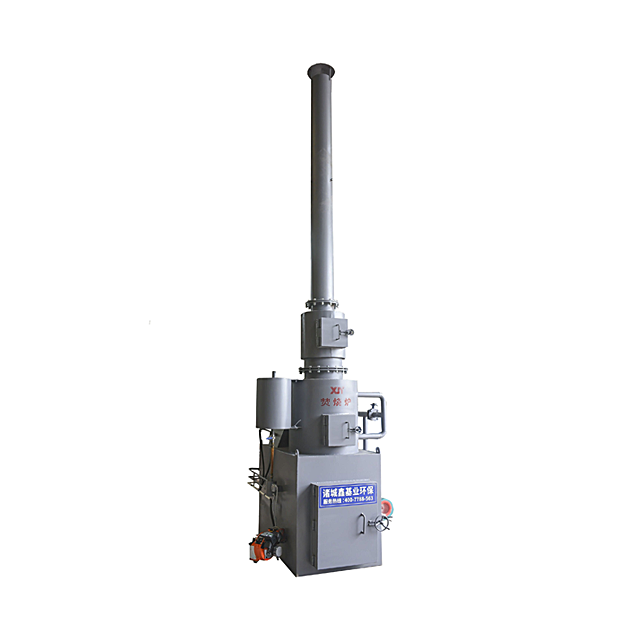
The next generation of WTE systems is focused on improving energy efficiency and reducing environmental impact. Emerging technologies, such as enhanced pyrolysis and gasification systems, aim to generate even more energy from waste while minimizing emissions.
A growing trend in waste management is the integration of incineration with recycling and composting, creating a circular economy. This approach aims to minimize waste generation by reusing and recycling resources while still effectively managing non-recyclable waste through incineration.
As global waste generation continues to increase, waste-to-energy systems will remain an important solution for managing waste. The future of incineration lies in improving these technologies to increase energy recovery and reduce environmental impact.
The history and evolution of incineration highlight its critical role in waste management, from ancient open-air burning to the sophisticated technologies of today. Incineration has transformed from a simple waste disposal method to a valuable tool for energy generation. As waste volumes continue to rise, the need for advanced waste-to-energy systems will only grow, making innovation in incineration technology essential for the future.
Zhucheng Xinjiye Environmental Protection Equipment Co., Ltd.offers advanced incineration solutions that help manage waste efficiently while minimizing environmental impact. Their products ensure sustainability through innovative features like pollution control and energy recovery.
A: Incineration is the process of burning waste to reduce its volume and toxicity. Over time, it has evolved from open-air burning to advanced waste-to-energy systems.
A: During the Industrial Revolution, incineration technology advanced with the creation of municipal incinerators, improving efficiency and capacity.
A: Modern incineration systems convert waste into energy by generating heat to produce electricity, contributing to sustainable waste management.
A: Modern incineration technologies offer improved efficiency, better pollution control, and energy recovery, reducing environmental impact.
A: The evolution of waste incineration has led to more efficient systems with cleaner emissions and increased energy recovery, supporting sustainable waste management.
A: Pyrolysis is a thermal treatment process that burns waste without oxygen, offering lower emissions and higher efficiency than traditional incineration.


