


Views: 0 Author: Site Editor Publish Time: 2025-12-22 Origin: Site


A clear color-coding system is crucial for safe Medical Waste handling. Improper sorting can lead to contamination and higher disposal costs. Misclassification risks infection and environmental harm.
This article will guide you through each color code and explain why it matters. You'll learn practical tips for applying medical waste color coding guidelines in healthcare facilities.
Tips: Use this cheat sheet to streamline staff training and improve waste management efficiency.
Color coding systems are crucial for properly classifying and segregating medical waste at the point of generation. They ensure that staff can quickly and accurately identify which type of waste belongs in which container, reducing the likelihood of errors. By implementing a color-coding system, healthcare facilities can prevent cross-contamination, improve waste management efficiency, and comply with national and international regulations.
Color coding is vital for separating different types of medical waste, such as infectious, hazardous, and general waste. Proper segregation not only reduces contamination risks but also ensures that waste is handled in accordance with the regulations set by organizations like the World Health Organization (WHO), HTM 07-01, OSHA, and the Department of Transportation (DOT). These regulatory bodies require specific waste separation to maintain safety standards in healthcare settings.
Despite the clear guidelines, errors can still occur. A common mistake is confusion between color codes, especially for waste streams like yellow (infectious waste), red (anatomical waste), and purple (cytotoxic waste). Staff may misplace clean packaging in hazardous waste bins or fail to replace faded labels on containers. These errors not only compromise safety but can also lead to unnecessary disposal fees, safety risks, and regulatory violations.
Improper waste segregation has significant financial implications. When harmless items are placed in hazardous waste bins, disposal costs increase significantly. Hazardous waste disposal is more expensive due to the specialized incineration processes required to handle such materials. Incorrect sorting also leads to more frequent waste pickups, further increasing overall costs for the facility.
Implementing an effective color-coding system improves staff safety and makes the sorting process more efficient. By reducing the number of handling steps required and providing clear visual cues, color coding ensures that staff spend less time deciding where waste should go and more time on patient care. It also minimizes exposure to hazardous or infectious materials by ensuring waste is correctly contained.
Many international and national regulations mandate the segregation of medical waste into specific categories. The World Health Organization (WHO), EWC codes, and local health authorities all influence color-coding practices. These guidelines help healthcare facilities ensure that waste is handled, stored, and disposed of safely. By following these standardized systems, facilities can avoid penalties and ensure their waste management processes are compliant with legal requirements.
Not all color-coding systems are the same globally. While certain colors are standardized, other codes can vary depending on the region. For instance, radioactive waste may use different colors in various countries but will always be marked with a radiation symbol. Healthcare facilities must align their waste disposal systems with the regulations specific to their region and consult with local waste management contractors for the latest guidelines.
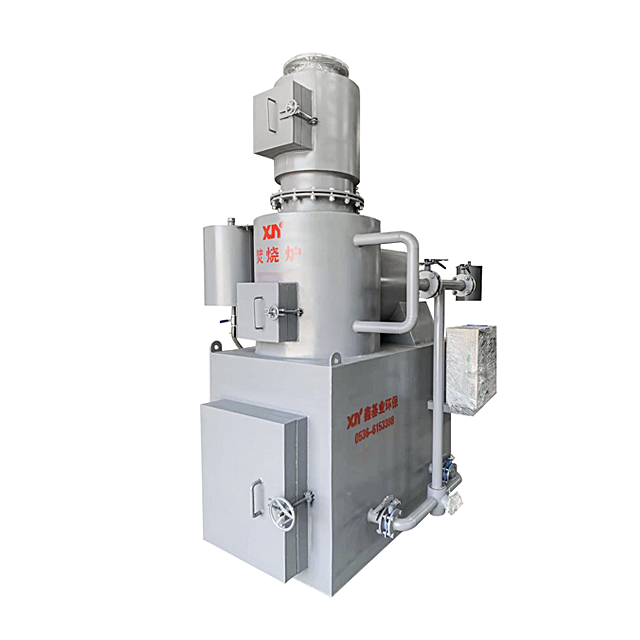
Incineration is often the preferred method for disposing of medical waste in certain color-coded streams. Waste such as cytotoxic, anatomical, clinical infectious, and pharmaceutical materials are often destroyed through high-temperature incineration to eliminate pathogens, chemicals, and drug residues effectively. Proper incineration prevents the release of harmful substances into the environment.
Tips: Review disposal rules annually, especially if your region updates regulation codes.
Waste Type | Color Code | Typical Container |
Infectious & Clinical Waste | Yellow | Leak-proof bag or rigid yellow container |
Cytotoxic & Cytostatic Waste | Purple or Yellow w/ Purple Lid | Puncture-resistant container |
Anatomical Waste | Red | Leak-proof red bag or sealed rigid bin |
Medicinal & Pharmaceutical Waste | Blue or Brown | Rigid container |
Offensive Waste | Yellow w/ Black Stripes | “Tiger stripe” bags |
Radioactive Waste | Lead container w/ symbol | Sealed container |
General Medical Waste | Black | Standard plastic bag |
Notes: Place this table at every waste station to support instant recognition.
Waste Type | Color Code | Description |
General Medical Waste | Black | Includes packaging, flowers, and non-contaminated materials. It should never be mixed with hazardous streams. |
Infectious Medical Waste | Yellow | Items contaminated with blood or body fluids. Requires incineration or specialized treatment. |
Hazardous or Chemical Waste | Yellow or Red (Region-Dependent) | Chemicals, solvents, and contaminated materials. Colors vary based on national regulations. |
Radioactive Medical Waste | Lead Container | Waste from nuclear medicine or isotope therapy. Must be stored in shielded, sealed lead containers. |
Waste Type | Color Code | Description |
Cytotoxic & Cytostatic Waste | Purple | Includes chemotherapy drug residues and contaminated PPE. Requires high-temperature incineration. |
Anatomical Waste | Red | Human tissues, organs, and blood bags. Must be stored in sealed red containers for incineration. |
Pharmaceutical Waste | Brown | Unused medications, expired drugs, and IV residues. Should be placed in brown bins for incineration. |
Non-Hazardous Medicinal Waste | Blue | Tablets, inhaler cartridges, and sealed medicine vials. Typically stored in blue containers. |
● Visual Example: Diagram showing different departments (e.g., Emergency Room, Surgery) and the type of waste generated in each.
● Action: Identify common waste categories and match them to appropriate color codes.
● Visual Example: Image showing properly placed, color-coded containers in various hospital departments.
● Action: Ensure that bins are the correct size and placed in high-traffic areas for easy access.
● Visual Example: Poster with a large color chart in the staff lounge.
● Action: Train all staff and place visual aids near bins for easy reference.
● Visual Example: Chart showing weekly bin inspection checklist with error tracking.
● Action: Inspect bins regularly, track errors, and retrain departments with higher error rates.
Color codes for medical waste vary across countries due to different regulations and standards. Some regions follow WHO guidelines, while others use national laws or regional contractor rules. Healthcare facilities must confirm the correct color scheme with local waste management providers to ensure compliance.
EWC codes are used across Europe to standardize waste classification, simplifying record keeping and ensuring safe transport and disposal of medical waste. These codes help unify the waste streams and streamline waste documentation for cross-border movement.
For light infectious waste, soft bags are sufficient. However, for heavier or fluid-based items, rigid bins are essential to avoid leaks and ensure safe disposal.
Sharps and cytotoxic waste require puncture-resistant containers. These bins are specifically designed to withstand the impact of needles and other sharp objects, preventing injury to staff and ensuring safe disposal.
Radioactive materials must be stored in sealed lead containers to prevent radiation leakage during transport and storage. These containers ensure safety and compliance with radiation safety standards.
To avoid contamination, color-matched lids are essential for each waste stream. Clear and consistent labels help track waste types during audits and ensure proper waste segregation.
One of the most common compliance issues in medical waste management is mixing general waste with hazardous materials. This mistake not only increases disposal costs but also poses significant health and environmental risks. Additionally, mislabeling waste containers or allowing color fading on bins can cause confusion and result in waste being placed in the wrong streams. To prevent these errors, it’s essential to use UV-resistant labels and regularly check that the containers are clearly marked with fresh, legible labels.
Another issue that can lead to non-compliance is inconsistent staff training, especially across different shifts. Night shift workers often face higher error rates due to fatigue or lack of proper guidance. Ensuring that all shifts receive the same level of training and access to resources is crucial for maintaining a standardized color-coding system. Periodic training sessions and refresher courses for all staff can significantly reduce mistakes and enhance efficiency in waste segregation.
Improper disposal of pharmaceutical or anatomical waste is a serious compliance violation. These materials often require special handling and incineration. Failure to follow proper procedures can result in legal penalties and safety hazards. Facilities should regularly review high-risk streams, particularly chemotherapy waste, human tissue, and pharmaceutical containers, to ensure they are disposed of in the correct containers.
A standardized Medical Waste color-coding system helps protect staff, patients, and the environment. It reduces mistakes, lowers disposal costs, and ensures compliance with local regulations. A clear cheat sheet, combined with proper training and regular audits, supports efficient waste management.
Zhucheng Xinjiye Environmental Protection Equipment Co., Ltd. offers high-quality waste disposal products that help healthcare facilities stay compliant and efficient. Their products provide great value by simplifying waste handling and enhancing safety practices.
A: Medical Waste color coding is a system used to classify and safely dispose of different types of waste in healthcare facilities.
A: It ensures safe disposal, prevents contamination, reduces infection risks, and helps comply with regulations.
A: Start by assessing waste types, set up labeled bins, train staff, and audit compliance regularly.
A: Common colors include yellow for infectious waste, purple for cytotoxic waste, and red for anatomical waste.
A: Misclassification increases disposal costs and can lead to legal penalties and safety risks.
A: It ensures that waste is segregated according to government guidelines, reducing compliance risks.


