


Views: 0 Author: Site Editor Publish Time: 2025-12-17 Origin: Site


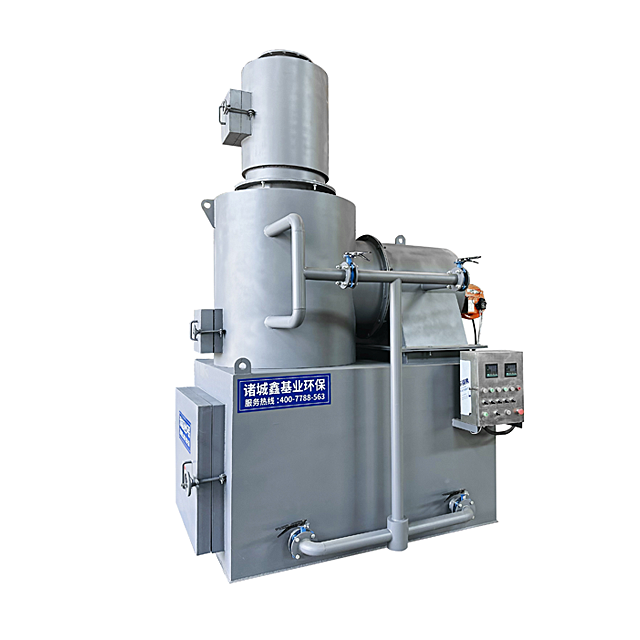
Did you know that moisture content can make or break the efficiency of incineration? Waste materials with high moisture content require more energy to burn, leading to higher costs and lower energy recovery. In this article, we will explore the role of moisture content in incineration and its impact on efficiency, fuel use, and emissions. You’ll also learn strategies for optimizing moisture levels to improve combustion performance.
Moisture content is a key factor in waste management, particularly in the incineration process. It refers to the percentage of water present in a material, and it directly affects combustion efficiency, energy consumption, and emissions. In this section, we will explore the role of moisture content, how it influences physical and combustion properties, and how different types of waste vary in their moisture content. Understanding these elements is crucial for optimizing incineration performance.
Moisture content measures the amount of water present in a waste material. It is expressed as a percentage of the total weight of the material and is calculated by subtracting the dry weight from the total weight, then dividing by the dry weight.
Why Moisture Content Matters in Incineration:
● Energy Consumption: High moisture content requires additional heat to evaporate water before combustion. This leads to increased energy usage, lowering incineration efficiency.
● Increased Fuel Use: Extra energy needed for drying out wet materials increases fuel consumption, raising operational costs.
● Extended Burn Times: Wet materials take longer to burn, reducing the throughput of the incinerator and affecting waste-to-energy conversion rates.
Understanding moisture content allows operators to adjust their processes to optimize combustion, reducing energy waste and improving efficiency.
Moisture impacts several physical properties, including weight, density, and viscosity. High moisture content lowers the calorific value (energy produced per unit of material), making combustion less efficient. Moreover, when burning high-moisture materials, the temperature inside the incinerator drops, leading to incomplete combustion and the production of more smoke and emissions.
Different waste streams have varying moisture contents, which directly impact how they are processed in incinerators.
MSW typically has moisture content ranging from 20% to 50%, depending on the type of material. Organic waste like food scraps tends to have higher moisture levels, while dry materials such as paper and plastics contain less moisture.
Medical waste often contains a higher moisture content due to its organic and liquid-rich nature. Pathological waste, for example, can have moisture levels over 50%, which requires additional drying before incineration to improve combustion efficiency.
Biomass materials like wood chips, agricultural residues, and poultry litter typically have moisture content between 10% and 30%, making them more energy-efficient for incineration. However, even these materials can lose energy when moisture content exceeds 30%.
Waste Type | Typical Moisture Content (%) | Impact on Incineration Efficiency |
Municipal Solid Waste (MSW) | 20% to 50% | Requires adjustments for moisture management |
Medical Waste | >50% (varies by waste type) | Needs additional drying to optimize combustion |
Biomass Waste | 10% to 30% | More energy-efficient, but moisture above 30% reduces energy output |
The calorific value of waste is inversely related to its moisture content. As moisture content increases, the calorific value decreases, meaning less energy can be produced per unit of waste. Dry materials like paper or plastics have high calorific values and burn efficiently, whereas wet materials require more energy to dry out before they can fully combust.
One of the most significant effects of high moisture content is the "energy penalty." Before combustion can occur, water in the waste must first be evaporated. This requires additional heat, which could otherwise be used for combustion. The more water present, the greater the energy lost in this drying process, reducing the overall efficiency of the incineration.
High moisture levels lower the furnace temperature, which can result in incomplete combustion. Incomplete combustion generates harmful emissions such as carbon monoxide (CO) and nitrogen oxides (NOx), and reduces the overall efficiency of the incineration process. Lower temperatures also lead to longer burn times and less effective energy recovery.
High moisture content creates a significant energy penalty because heat must first evaporate the water before ignition can occur. This diversion of energy lowers the furnace temperature, slows combustion, and increases the risk of incomplete burn. As temperature falls, the system becomes less efficient and requires longer burn cycles.
Excess moisture produces more steam, leading to increased smoke and elevated CO and NOx emissions. These conditions reduce air quality and strain the furnace. To stabilize combustion, operators often increase secondary air, but doing so raises fuel use and disrupts the combustion balance.
As moisture content rises, waste-to-energy performance declines. Wet waste requires more fuel and time to burn, resulting in lower net energy output. This is especially evident with food waste or wet textiles, which burn slowly and inefficiently.
Incineration systems are highly sensitive to moisture levels. Even small increases in moisture can reduce available combustion energy and raise operating costs. Optimizing moisture content is essential for stable, efficient, and economical incineration.
Moisture content can be calculated in two ways: wet basis and dry basis. The wet basis includes the water content in relation to the total weight of the material, while the dry basis compares the water content to the dry weight of the material. Understanding both methods is crucial for accurate waste management and incineration planning.
The standard method for calculating moisture content involves drying a sample of the material and weighing it before and after drying. The difference in weight gives the moisture content, which is expressed as a percentage of the original weight. This method ensures that operators can determine the precise moisture level of waste before incineration.
Moisture meters are handheld devices used to measure moisture content in waste on-site. These tools provide real-time results, allowing operators to adjust waste treatment and incineration processes accordingly, ensuring optimal efficiency.
Accurate moisture measurement allows operators to optimize the incineration process by ensuring that the waste is within the ideal moisture range. By accurately assessing moisture, operators can reduce drying time and fuel consumption, improving overall efficiency and cutting costs.
For most waste types, maintaining moisture content below 40% ensures efficient combustion. Waste with moisture content above 40% should be dried to avoid energy loss and inefficiencies during incineration.
The optimal moisture range for waste-to-energy systems is between 20% and 30%. This allows furnaces to operate at ideal temperatures, reducing the need for additional air and energy, while maximizing energy recovery.
Moisture content interacts with furnace temperature to influence efficiency. The optimal combination for incineration efficiency is a moisture content of around 26.53% combined with an inlet temperature of approximately 40.86°C. This combination allows for the highest incineration efficiency.
Not all waste types behave the same at identical moisture levels. For example, medical waste may require a lower moisture threshold than municipal waste for optimal combustion. Operators should adjust for these material-specific differences to ensure the most efficient incineration.
Waste Type | Recommended Moisture Range (%) | Key Considerations |
General Waste | <40% | Dry waste for efficient combustion |
Waste-to-Energy Systems | 20% - 30% | Ensures optimal furnace temperature and energy recovery |
Medical Waste | Lower moisture threshold | Requires more precise moisture control for efficiency |
MSW can vary widely in moisture content depending on the time of year and the type of waste. Managing this variability is a challenge for incinerator operators, as inconsistent moisture levels can lead to inefficient combustion and increased fuel use.
Medical waste, particularly pathological waste, often has higher moisture content than sharps waste. This difference requires careful management to ensure consistent incineration results, including the mixing of different waste types to balance moisture content.
Biomass materials, such as wood chips or agricultural residues, typically have lower moisture content and are more efficient for incineration. However, if these materials become too wet, their energy potential drops significantly, making pre-drying essential.
Industrial dusts and powders that are too dry pose a significant explosion risk. Ensuring that these materials are within an optimal moisture range is critical for safety in incineration operations.
Reducing moisture content is essential for improving combustion efficiency and lowering fuel use. Instead of listing short, fragmented sections, the following integrated overview groups the most effective moisture-reduction methods in a clear and practical way.
Technique | How It Works | Best Use Cases | Advantages |
Natural Drying / Dry Rooms | Waste is stored in controlled dry areas to allow slow evaporation. | General MSW, textiles, paper waste. | No energy use, low cost. |
Mechanical Dewatering / Pressing | Presses and squeezers remove liquid from wet waste. | Food waste, sludge, organic waste. | Fast removal of free water, reduces weight. |
Utilizing Waste Heat for Pre-Drying | Heat from previous incineration cycles dries incoming waste. | Large facilities, continuous systems. | Creates an efficient circular process. |
Moisture Balancing Through Waste Mixing | High-moisture waste is mixed with dry waste to stabilize batches. | Medical waste, MSW with varied moisture. | Prevents excessive fuel use, improves burn stability. |
An effective incineration facility often uses two or more techniques together. For example, mechanical dewatering removes bulk water first, followed by natural drying or waste-heat drying to reach ideal moisture levels. Mixing wastes further ensures stable combustion conditions.
These moisture-reduction strategies help improve furnace temperature, reduce fuel demand, shorten burn cycles, and lower emissions. They also support better throughput and more stable waste-to-energy performance.
If you need, I can rewrite this section for a more technical tone or convert it into a step-by-step operational guide.
High moisture content requires more fuel and longer burn times to achieve complete combustion, increasing operational costs and reducing overall efficiency.
When moisture content is high, the furnace temperature may fall below optimal levels, potentially causing shutdowns in modern incineration systems designed for specific temperature ranges.
Excess moisture can lead to the condensation of steam in the flue system, causing corrosion over time and increasing maintenance costs.
Wet waste is heavier, requires more energy to transport, and can lead to storage issues like composting or mold growth, which further complicates waste management efforts.
Scientific research provides clear evidence that moisture content is one of the strongest variables influencing incineration efficiency. Instead of presenting very short sections, the following integrated structure groups related concepts into richer, more meaningful content.
Moisture directly affects the release of volatile gases and the combustion of fixed carbon. Wet waste requires additional energy to evaporate water before ignition, slowing both volatile release and char oxidation. This delay reduces combustion intensity and lowers overall energy output in waste-to-energy systems. As a result, furnaces experience weaker flame stability and reduced heat transfer, which can limit throughput and raise fuel consumption.
Studies consistently show that incineration efficiency is highly sensitive to moisture content. Even small changes—sometimes as little as 2–3%—can significantly impact combustion temperature, gas composition, and energy recovery. Higher inlet temperatures can partially compensate for wet waste by improving water evaporation and accelerating volatile release. However, this approach has limits. Excessive temperature increases may cause operational strain or exceed design specifications. The most efficient conditions often involve balancing moisture reduction with controlled inlet temperature adjustments.
For industrial-scale facilities, an integrated moisture management strategy is essential. Operators should combine pre-drying, strategic waste mixing, and heat-recovery systems to stabilize waste feed conditions. Using recovered heat from previous cycles to pre-dry incoming batches increases system circularity and reduces fuel use. Maintaining consistent moisture profiles improves furnace stability, reduces emissions, and maximizes energy conversion efficiency.
If you want, I can further refine this into a table, flowchart, or more technical engineering brief.
Moisture content plays a vital role in the incineration process, affecting efficiency, fuel use, and emissions. By accurately measuring and managing moisture levels, operators can improve incineration system performance, reduce costs, and maximize energy recovery. Understanding moisture content enables better control over waste treatment, ensuring that incineration operates efficiently and safely. For optimal results, products like those from Zhucheng Xinjiye Environmental Protection Equipment Co., Ltd. provide reliable solutions, improving incineration efficiency and contributing to cost-effective operations.
A: Moisture content is the amount of water in a material. In incineration, high moisture reduces efficiency and increases fuel consumption.
A: High moisture content requires more energy to evaporate water before combustion, lowering incineration efficiency.
A: Managing moisture content ensures efficient combustion, reduces operational costs, and maximizes energy recovery in incineration.
A: Wet waste demands more fuel to burn, as energy is used to evaporate water before effective combustion.
A: Ideal moisture levels are below 40% to ensure optimal combustion and maximize waste-to-energy output in incineration.


