


Views: 0 Author: Site Editor Publish Time: 2025-09-24 Origin: Site


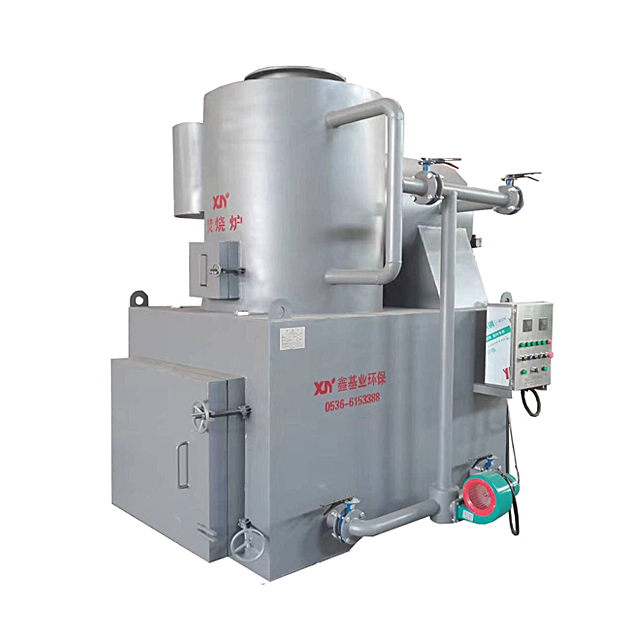
Incineration plays a vital role in waste management, helping to reduce waste volume and recover energy. But did you know not all materials can be safely incinerated? In this article, we’ll explore which materials are suitable for burning in an incinerator and which ones should be avoided to protect both the environment and human health.
Why Organic Waste Burns Efficiently
Organic materials such as plant-based waste and vegetation are ideal candidates for incineration. These materials consist mainly of carbon, hydrogen, and oxygen, which allow them to combust efficiently when exposed to high heat in an incinerator. The combustion process produces a relatively clean burn with minimal emissions compared to other types of waste.
Common Examples
Common organic materials that can be incinerated include garden waste (such as leaves, branches, and grass clippings), agricultural residues (like crop stubble and farm animal manure), and other biodegradable materials. These materials are not only easy to burn but also help reduce landfill pressure when incinerated.
Environmental Impact
Burning organic waste in an incinerator helps minimize methane emissions, a potent greenhouse gas typically released when organic waste decomposes in landfills. By diverting organic materials from landfills and utilizing incineration, we can significantly reduce landfill space and contribute to sustainable waste management.
Tip: In areas with high agricultural waste production, incinerating organic materials can help alleviate pressure on landfills while providing a potential source of renewable energy through waste-to-energy initiatives.
Household Waste in an Incinerator
Municipal Solid Waste (MSW), which includes common household items like food scraps, paper, cardboard, and plastics, can be safely incinerated in incinerators. MSW typically consists of materials that burn cleanly and produce valuable energy, making it an efficient waste disposal option.
Efficiency and Energy Recovery
The incineration of MSW plays a crucial role in waste-to-energy (WTE) solutions. As the waste is burned, the heat produced can be harnessed to generate electricity or provide district heating. This energy recovery process reduces the reliance on fossil fuels and contributes to sustainable energy generation.
Impact on Landfill Reduction
Incineration of MSW significantly reduces the volume of waste, allowing landfills to be used more efficiently. By burning household waste, the waste volume is greatly minimized, and the need for additional landfill space is reduced, benefiting both the environment and local communities.
Common Types of Industrial Waste
Industrial facilities produce various by-products, many of which are suitable for incineration. Non-hazardous industrial waste such as contaminated wood, rubber, and certain plastics can be safely burned in incinerators. These materials, often discarded as waste, can generate heat, which can be utilized for energy recovery.
Energy Recovery Potential
Industrial waste is a valuable source of energy when incinerated. By burning materials such as rubber and plastics, incinerators can recover energy in the form of heat, which can be converted into electricity. This makes industrial waste incineration a cost-effective and sustainable solution for waste disposal and energy generation.
Precautions in Handling Industrial Waste
While industrial waste can be safely incinerated, precautions must be taken to control harmful emissions. Ensuring that incinerators are equipped with adequate air pollution control systems, such as scrubbers and filters, is crucial to minimize environmental impact and comply with regulations.
Why Certain Chemicals Should Be Avoided
Certain hazardous chemicals, such as mercury, lead, and cadmium, should never be incinerated. When burned, these materials release toxic fumes that can severely impact human health and the environment. Incinerators are not designed to safely handle such materials, making their incineration a dangerous practice.
Health and Environmental Risks
Burning hazardous chemicals can release harmful pollutants into the air, posing serious health risks. These toxins can cause respiratory problems, neurological damage, and even cancer in humans. Furthermore, these toxins can contaminate the environment, impacting soil, water, and wildlife.
Regulations and Guidelines
Governments have established strict regulations for the disposal of hazardous chemicals. These materials should be disposed of in specialized facilities equipped to neutralize or contain the chemicals safely, thus avoiding the risks associated with incineration.
Why Radioactive Waste Cannot Be Incinerated
Radioactive materials, such as nuclear waste, cannot be incinerated. Incinerators are not equipped to handle the special containment needs of radioactive substances. Burning radioactive materials can lead to the release of radioactive particles into the atmosphere, creating a significant environmental and public health risk.
Risks of Incineration
The incineration of radioactive waste poses enormous risks, as the radioactive particles could spread beyond the incinerator and contaminate surrounding areas. This could lead to long-term health effects, including radiation sickness, cancer, and environmental contamination.
Alternatives to Incineration
Radioactive materials require specialized disposal methods, such as deep geological disposal or secure containment in designated storage facilities. These methods ensure that radioactive waste remains isolated from the environment and does not pose a risk to public health.
Note: Always consult local guidelines and regulations for proper disposal methods for radioactive materials.
High-Risk Materials
Certain waste materials, such as fireworks, gas cylinders, and ammunition, pose a high risk of explosion when exposed to heat. These materials should never be incinerated, as the incineration process can trigger dangerous reactions, leading to explosions and fires.
Explosion Hazards
When combustible materials like gas cylinders are placed in an incinerator, the heat can cause them to explode, posing severe risks to workers and nearby communities. Fireworks and ammunition can also explode under intense heat, creating fire hazards and flying debris.
Best Disposal Methods
For explosive or reactive materials, specialized disposal facilities are required. These facilities use controlled methods to safely neutralize or dispose of such materials. These facilities are equipped with the proper containment systems to handle dangerous materials without causing harm to the environment or people.
Function and Importance
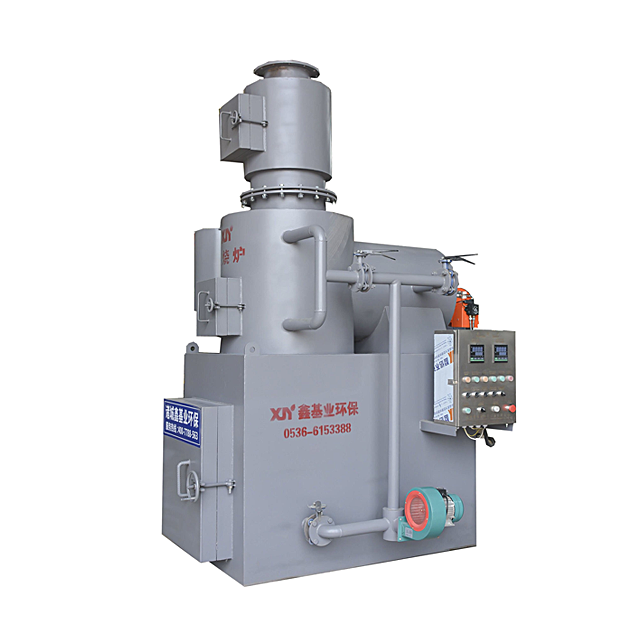
The primary combustion chamber is the first stage of the incineration process. Waste materials are introduced into this chamber and heated to high temperatures, typically around 850°C, to initiate combustion. The heat breaks down the materials, reducing their volume and converting them into heat energy.
Required Temperature
For complete combustion, incinerators must maintain a temperature of at least 850°C. This temperature is essential for breaking down organic materials and ensuring that the waste burns efficiently with minimal harmful emissions.
Types of Waste Best Suited for This Chamber
Organic waste, paper, and cardboard are ideal for the primary combustion chamber. These materials burn effectively at high temperatures, ensuring that the incineration process is both efficient and environmentally safe.
The Role of the Afterburner
After the waste is burned in the primary chamber, the gases and remaining materials pass through the secondary chamber, or afterburner. This chamber is crucial for further combustion, ensuring that any remaining pollutants, such as gases and particulate matter, are neutralized before being released into the atmosphere.
Temperature Regulation
In the secondary chamber, temperatures must remain at 850°C for at least 2 seconds. This duration is critical for fully breaking down harmful compounds and ensuring that no toxic emissions are released into the environment.
Environmental Benefits
The secondary chamber plays a vital role in reducing air pollution. By ensuring that harmful gases are neutralized, it helps make incineration a cleaner and more sustainable waste management option.
Ventilation and Safety
The flue stack is where the exhaust gases are released after the waste has been incinerated. It is designed to safely vent gases into the atmosphere while ensuring that the emissions are controlled and comply with environmental regulations.
Emission Standards
Modern incinerators are equipped with sophisticated emission control systems that meet stringent environmental standards. This includes reducing harmful substances like nitrogen oxides, sulfur dioxide, and particulate matter, ensuring that the air quality remains safe for nearby communities.
Pollution Control Technologies
Technologies such as scrubbers, bag filters, and electrostatic precipitators are commonly used to reduce emissions. These technologies capture harmful pollutants and help ensure that the incinerator operates in an environmentally responsible manner.
Impact of Moisture on Combustion
The moisture content of the waste directly affects its combustion efficiency. Wet materials require more energy to burn because much of the heat is used to evaporate the water before combustion can occur. This can reduce the overall efficiency of the incineration process.
Energy Consumption
Wet waste increases the need for additional fuel, as the energy spent on evaporating moisture reduces the amount of heat available for combustion. This can lead to higher operational costs and decreased energy recovery.
Methods to Handle Wet Waste
Pre-treating wet waste by drying or reducing its moisture content can significantly improve the efficiency of incineration. This ensures that the waste burns more effectively and minimizes energy loss.
Why Proper Segregation Matters
Proper waste segregation is essential for optimizing the incineration process. Sorting materials into categories such as organic waste, recyclables, and hazardous waste ensures that only suitable materials are burned, improving efficiency and reducing harmful emissions.
Waste-to-Energy Optimization
Segregating waste helps maximize energy recovery from incineration. By separating organic waste from non-combustible materials, incinerators can burn more efficiently, generating more energy while reducing emissions.
Regulatory Compliance
Many regions have regulations that require waste segregation to ensure that hazardous materials are not incinerated. Proper segregation helps meet environmental standards and reduces the risk of harmful emissions.
Incineration in Europe and Japan
Europe and Japan are pioneers in incinerator technology and waste-to-energy solutions. These regions have embraced incineration as a sustainable method of managing municipal solid waste, using it to reduce landfill use and generate renewable energy.
Global Incineration Practices
Around the world, countries are adopting incineration as part of their waste management strategies. Some nations, like Sweden, are leading the way in reducing waste volumes and generating energy through incinerators, while others are still in the early stages of implementing these technologies.
Emerging Markets
Developing countries are increasingly turning to incineration as a solution to growing waste management challenges. With urbanization and population growth, many are adopting incinerator technologies to improve waste disposal efficiency and recover energy.
Advances in Incineration Systems
The latest developments in incinerator technology focus on improving energy efficiency, reducing emissions, and enhancing waste segregation systems. These innovations are making incineration a more sustainable and cost-effective solution for waste management.
Waste-to-Energy Developments
New incinerator systems are being designed to convert more waste into usable energy. These systems can help reduce reliance on fossil fuels while providing a renewable source of energy for communities and industries.
Sustainability Goals
Incineration is a key component of achieving sustainability goals. By reducing waste volume, recovering energy, and minimizing emissions, incinerators contribute to cleaner, greener waste management practices and help combat climate change.
Incineration is a powerful waste management tool, but it’s essential to understand which materials can be safely burned. Organic materials, municipal waste, and industrial by-products can be efficiently incinerated, contributing to energy recovery and reducing landfill use. However, hazardous chemicals, radioactive materials, and explosive waste should never be burned due to the significant risks they pose to human health and the environment. By following proper waste segregation and using advanced incineration technologies, such as those provided by Zhucheng Xinjiye Environmental Protection Equipment Co., Ltd., we can ensure a safe, sustainable future.
A: Organic materials, such as plant waste and municipal solid waste like paper and food scraps, are commonly incinerated in an incinerator. Industrial by-products, like contaminated wood and rubber, can also be incinerated for energy recovery.
A: Hazardous chemicals, radioactive materials, and explosive waste should never be incinerated due to the dangerous toxins and risks they pose to human health and the environment.
A: An incinerator burns waste at high temperatures, converting it into ash, gases, and heat. This process helps reduce waste volume and can even recover energy for use.
A: No, hazardous materials like mercury, lead, and other toxic substances should not be incinerated due to the harmful emissions and health risks they may release.
A: Incinerators help reduce landfill use, cut methane emissions, and can generate energy from waste, contributing to more sustainable waste management practices.


