


Views: 0 Author: Site Editor Publish Time: 2026-01-23 Origin: Site


Maintaining an incinerator is more than just a safety measure; it's essential for optimal performance. What if neglecting regular maintenance leads to costly breakdowns and regulatory fines? This article dives into the 10 benefits of incinerator maintenance, explaining how it improves efficiency, reduces costs, and extends equipment lifespan. In this article, you'll discover why consistent upkeep of your incinerator is crucial for smooth, compliant, and cost-effective operations.
One of the primary advantages of regular incinerator maintenance is the optimization of fuel consumption. When an incinerator is well-maintained, components like combustion chambers and burners work efficiently, ensuring that the waste is burned completely with minimal fuel use. A well-calibrated incinerator burns waste more efficiently, which reduces the amount of fuel required to reach the desired temperature.
Over time, routine maintenance helps avoid fuel waste by ensuring that the system is operating within the specified combustion temperature range. This translates to significant savings on fuel costs, particularly in high-capacity facilities that process large volumes of waste regularly.
Tip: By regularly checking and cleaning burners and combustion chambers, you can optimize combustion efficiency and reduce fuel consumption, which leads to long-term cost savings.
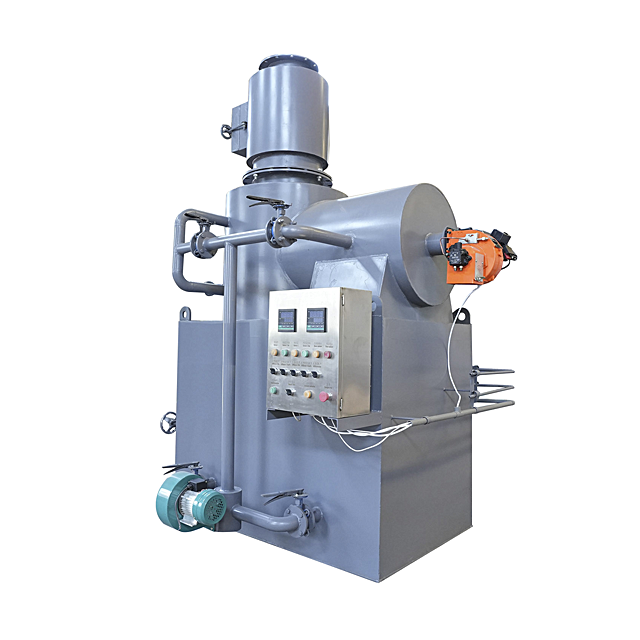
Unplanned downtime is one of the most disruptive and costly issues that can occur in an incinerator. Without proper maintenance, equipment may fail unexpectedly, leading to operational interruptions. Regular maintenance allows for early identification of potential issues before they escalate into major problems, reducing the risk of costly breakdowns.
For example, routine checks on critical components, such as combustion fans, ash handling systems, and temperature sensors, can prevent failures that could halt operations. By keeping the system in good working order, maintenance helps ensure that waste disposal runs smoothly without unnecessary delays.
With regular maintenance, incinerators can process more waste with greater efficiency. Well-maintained systems, such as feed mechanisms, combustion chambers, and exhaust systems, allow the incinerator to run at its optimal capacity. This means that the incinerator can handle larger volumes of waste in a shorter amount of time, increasing overall throughput.
By maintaining the incinerator’s performance and efficiency, operators can maximize the use of the equipment, minimizing bottlenecks in waste processing and increasing facility capacity. This can be particularly important for waste treatment plants that deal with high volumes of municipal or industrial waste.
Component | Maintenance Focus | Importance |
Combustion Chamber | Inspect for cracks, cleaning and maintaining heat resistance. | Ensures efficient waste combustion and temperature control. |
Burners | Regular cleaning and inspection for wear and tear. | Ensures proper fuel combustion, improving efficiency. |
Scrubber and Filters | Clean and replace filters, check scrubber system performance. | Captures pollutants, ensuring compliance with emissions regulations. |
Ash Handling System | Inspect for blockages, clean regularly. | Prevents waste accumulation and ensures smooth operation. |
Temperature Sensors | Calibrate sensors and check for proper function. | Ensures accurate temperature control, preventing incomplete combustion. |
Incinerators experience intense conditions during operation, including high temperatures and exposure to corrosive gases. Over time, components like the furnace lining, air filtration systems, and burners can wear down. Regular maintenance helps detect and address minor issues before they escalate into major wear and tear.
For example, refractory materials inside the combustion chamber are subject to high thermal stress, and without routine inspections, cracks and damage can compromise the system’s performance. Regular maintenance ensures these components are intact, preventing damage and extending the lifespan of the incinerator.
Although regular maintenance requires a financial investment, it can significantly reduce costs over time by avoiding emergency repairs, part replacements, and unscheduled downtime. Preventive maintenance allows for the early identification of worn-out components, which can be repaired or replaced before they cause costly breakdowns.
Additionally, keeping the incinerator running efficiently through maintenance leads to energy savings, as well as reduced wear on equipment, making it a more cost-effective solution in the long run.
With proper care, incinerators can continue to function effectively for many years. Regular maintenance ensures that all components, from combustion chambers to filtration systems, are kept in good working order. This prevents premature failure, reducing the need for expensive replacements and maximizing the operational lifespan of the incinerator.
Incinerators that are not properly maintained often face significant issues, such as clogged filters, damaged burners, and overheating, which can drastically shorten their lifespan. By investing in routine maintenance, operators can extend the life of their equipment, resulting in a higher return on investment.
Incinerators must meet strict emissions standards to prevent environmental pollution and public health risks. Poorly maintained emissions control systems can fail to capture harmful pollutants, such as particulate matter, nitrogen oxides (NOx), and dioxins. Regular maintenance ensures that the incinerator’s filtration and scrubber systems remain effective at removing pollutants from the exhaust gases.
By maintaining emission control systems, incinerator operators can ensure that the facility complies with local, national, and international emissions regulations. This helps avoid penalties, shutdowns, and legal issues, ensuring that the incinerator can continue to operate without disruption.
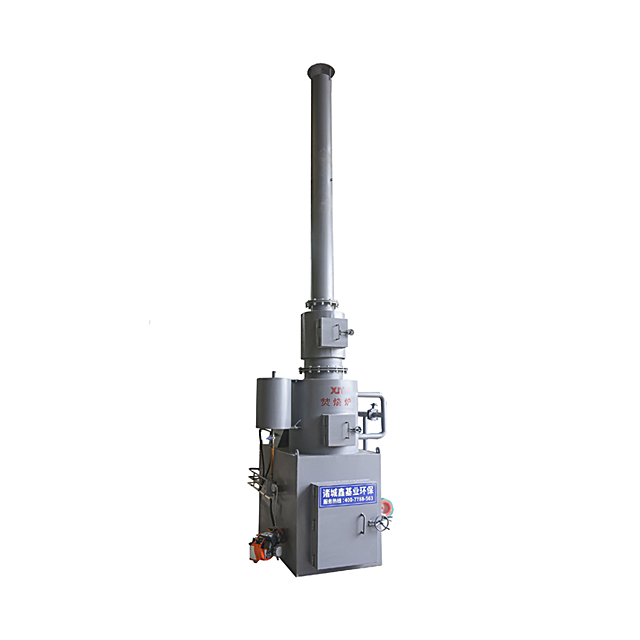
Environmental standards for incinerators are becoming increasingly stringent, and operators must comply with these regulations to avoid legal consequences. Regular maintenance of the incinerator’s components ensures that the system adheres to the latest standards, including air quality limits and waste disposal regulations.
Operators who prioritize incinerator maintenance are better positioned to meet new or updated regulations, ensuring that their facilities remain compliant without incurring costly upgrades or fines.
Regulatory bodies often require detailed records of incinerator performance, including maintenance logs and emissions data. Keeping up with regular maintenance ensures that operators can provide the necessary documentation during inspections. This is critical for proving compliance with operational and environmental standards.
Incinerators operate at extremely high temperatures, and any malfunction in the system can lead to dangerous fire hazards. Regular maintenance ensures that safety systems, such as temperature sensors, safety valves, and overload protection, are functioning properly. By keeping the system in optimal condition, operators can minimize the risk of fires or explosions caused by overheating, malfunctions, or system failures.
Incinerators burn hazardous materials that can release toxic gases and particulate matter if not properly controlled. Regular maintenance of emission control systems and scrubbers ensures that these harmful substances are captured and neutralized before they can be released into the atmosphere. This protects workers, the surrounding community, and the environment from toxic exposure.
By maintaining critical components like fire suppression systems, emergency shutdown valves, and operational alarms, operators ensure that the incinerator operates safely. Regular maintenance helps prevent accidents, injuries, and fatalities, making the workplace safer for everyone involved in the incineration process.
Scrubbers are crucial for removing harmful chemicals and pollutants from the exhaust gases of an incinerator. Regular maintenance of scrubber systems ensures that they operate at peak efficiency, capturing pollutants like dioxins and nitrogen oxides (NOx) before they can escape into the atmosphere. This helps reduce air pollution and ensures that the incinerator meets regulatory standards.
Incinerators that are properly maintained emit fewer pollutants, contributing to improved air quality. By regularly inspecting and servicing components like filters, scrubbers, and electrostatic precipitators, operators can reduce the incinerator's carbon footprint and minimize harmful emissions, which is beneficial for both environmental sustainability and public health.
Proactive maintenance helps prevent major breakdowns, which can be expensive to repair. By addressing minor issues early, operators can avoid the cost of emergency repairs or replacing large components. Preventive maintenance is a cost-effective way to reduce repair costs over the long term.
A well-maintained incinerator operates more efficiently, requiring less fuel to burn waste. This reduces energy consumption and operational costs. Regular maintenance ensures that all components, including burners, fans, and air handling systems, are functioning optimally, leading to lower energy bills.
Failure to comply with emissions standards can lead to costly fines and penalties. Regular maintenance helps ensure that the incinerator stays within regulatory limits for air quality and waste processing. This helps avoid fines, legal issues, and the potential shutdown of operations.
Incinerators are designed to process a variety of waste materials, ranging from municipal solid waste to hazardous industrial by-products. To ensure optimal performance, regular maintenance is essential for keeping the components responsible for waste processing in top condition. These components include the waste feed mechanism, combustion chamber, and ash handling system. Regular inspections and maintenance ensure these systems can efficiently handle different waste types without interruptions. If any part of the system is not functioning correctly, it can lead to bottlenecks in the waste processing process, reduced throughput, or even hazardous situations. Routine maintenance checks ensure that the feed mechanism is operating smoothly, waste is evenly distributed for combustion, and the combustion chamber is free from blockages or damage.
One of the primary goals of incineration is to reduce the volume of waste while ensuring that as much of it as possible is fully combusted. Proper maintenance plays a critical role in achieving this goal. By maintaining the combustion chamber, temperature controls, and air flow systems, the incinerator can burn waste more completely, leaving behind less unburned material. This reduces the amount of residual waste such as ash, which would otherwise require additional disposal or treatment. Minimizing residual waste not only simplifies the waste management process but also reduces disposal costs by limiting the amount of material that needs to be handled and processed after incineration. Proper maintenance, such as regular cleaning of the ash handling system and combustion chambers, ensures the incinerator is functioning efficiently, leading to reduced operational costs and a more streamlined waste disposal process.
A well-maintained incinerator reduces its environmental impact and energy consumption, demonstrating a commitment to sustainability. Public perception is increasingly shaped by environmental responsibility, and maintaining incinerators according to the highest standards signals a company’s dedication to reducing its carbon footprint and promoting eco-friendly practices.
Incinerators often operate in close proximity to residential areas. Regular maintenance ensures that the facility runs safely, minimizing the risk of pollution and harmful emissions. By maintaining the incinerator in good condition, operators can build trust with local communities, showing that they are committed to responsible waste management.
Regular maintenance is vital for incinerator efficiency and safety. It reduces fuel costs, extends the equipment’s life, and ensures compliance with environmental regulations. Zhucheng Xinjiye Environmental Protection Equipment Co., Ltd. offers high-quality incinerator components and maintenance services, ensuring reliability, efficiency, and long-term savings for your waste management operations.
A: Incinerator maintenance involves regular inspection, cleaning, and repair of incinerator components to ensure optimal performance, efficiency, and compliance with environmental regulations.
A: Regular maintenance helps prevent breakdowns, reduces fuel consumption, extends the incinerator's lifespan, ensures emissions control, and ensures compliance with legal standards.
A: The frequency of maintenance depends on the incinerator’s usage and manufacturer guidelines, but regular inspections and maintenance every 3 to 6 months are recommended.
A: Maintenance ensures that critical components like combustion chambers, burners, and emission control systems are functioning properly, which improves energy efficiency and reduces fuel consumption.
A: Neglecting maintenance can lead to increased downtime, higher repair costs, environmental violations, excessive fuel use, and the premature failure of incinerator components.
A: Regular maintenance ensures that the incinerator’s emissions control systems operate effectively, helping the facility meet legal emission limits and avoid fines or shutdowns.


