


Views: 0 Author: Site Editor Publish Time: 2026-01-19 Origin: Site


Medical waste disposal is a critical concern for healthcare facilities. How do we ensure safe and complete destruction of hazardous materials? Incinerators—especially dual-chamber systems—offer the most efficient solution. In this article, we’ll explore why dual-chamber incinerators are the best option for burning medical waste. You will understand their operational advantages, safety features, and environmental benefits.
A dual-chamber incinerator is a waste disposal system that uses two chambers to burn medical waste at high temperatures. The primary chamber burns waste at 800°C - 1,000°C, breaking down organic materials. The secondary chamber burns remaining gases at even higher temperatures (1,100°C - 1,200°C) to ensure complete destruction and reduce harmful emissions. This two-stage process makes dual-chamber incinerators ideal for handling hazardous and infectious medical waste efficiently and safely.
Chamber Type | Function | Temperature Range | Key Benefits |
Primary Chamber | Initial combustion of medical waste | 800°C - 1,000°C | Reduces organic material, starts the combustion process |
Secondary Chamber | Further combustion of gases and particles | 1,100°C - 1,200°C | Ensures complete destruction, reduces harmful emissions |
A dual-chamber incinerator is a waste disposal system that utilizes two combustion chambers to incinerate waste at high temperatures. The first chamber, called the primary combustion chamber, burns waste at temperatures between 800°C and 1,000°C. This is where the bulk of the organic material is broken down. The second chamber, the secondary combustion chamber, burns the gases and remaining particles at even higher temperatures—typically between 1,100°C and 1,200°C. This two-stage incineration process ensures that all materials are completely destroyed and that any harmful emissions are minimized.
Dual-chamber incinerators are specifically designed to handle the complexities of medical waste, which often includes hazardous materials such as sharps, chemicals, and infectious substances. The two chambers work together to ensure efficient combustion, reducing the risk of incomplete waste destruction.
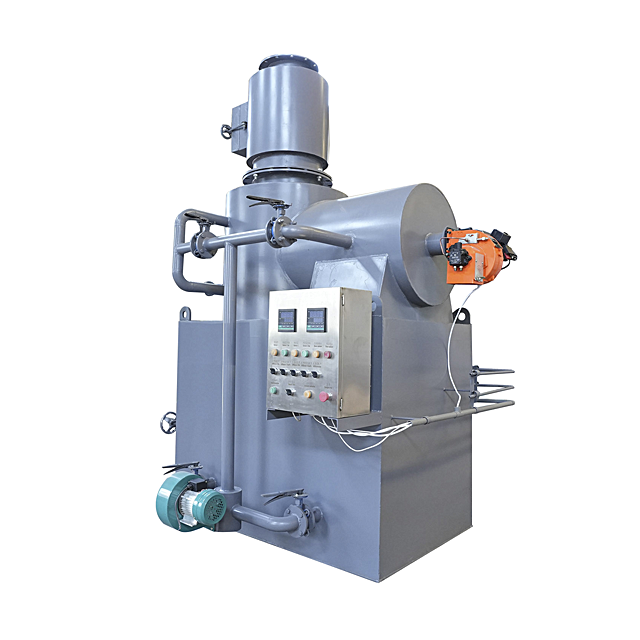
1. Primary Chamber: The waste is initially introduced into this chamber, where it undergoes the first stage of combustion. In this chamber, the waste is subjected to high heat, which breaks down most of the organic materials and reduces their volume. The primary chamber serves as the first line of defense, ensuring that the bulk of the waste is burned effectively.
2. Secondary Chamber: The gases and fumes produced in the primary chamber are directed into the secondary chamber. Here, they are subjected to higher temperatures, where any remaining toxins or unburned material are incinerated. This second combustion process ensures that harmful substances such as dioxins and furans are completely destroyed.
The dual-chamber design of these incinerators ensures the complete and efficient destruction of medical waste, making them the best option for hazardous and infectious materials.
When it comes to managing medical waste, efficiency and safety are paramount. Dual-chamber incinerators stand out as the best option for this purpose due to their ability to handle complex and hazardous materials effectively. With two chambers designed to burn waste at different stages, these incinerators ensure complete combustion, minimize harmful emissions, and significantly reduce waste volume.
Feature | Dual Chamber Incinerator | Single Chamber Incinerator |
Efficiency | High, ensures complete combustion | Lower, may leave residues |
Emissions Control | Advanced filtration systems to reduce pollutants | Basic filtration, less efficient |
Waste Volume Reduction | Up to 90% volume reduction | Less efficient in reducing waste volume |
Compliance with Regulations | Meets stringent environmental standards | May struggle to meet high standards |
Medical waste can be highly complex, with various materials requiring different conditions for proper disposal. Incinerators equipped with dual chambers are ideal for managing this type of waste because they provide more complete combustion. The first chamber allows for the initial burning of the waste, and the second chamber ensures that any gases or toxins that might remain are fully destroyed at high temperatures.
In a medical environment, waste may contain pathogens, chemicals, and other hazardous substances. Dual-chamber incinerators are designed to handle these complexities effectively by ensuring that no harmful materials are left behind. The two-stage combustion process guarantees that all contaminants are neutralized, making the incineration method safer for the environment and those who handle the waste.
For healthcare facilities handling a wide range of medical waste, dual-chamber incinerators offer a more reliable and comprehensive solution compared to single-chamber incinerators.
One of the major concerns with incineration is its environmental impact, particularly the emission of harmful gases. Dual-chamber incinerators help mitigate this issue by ensuring that the waste is completely burned, minimizing the release of toxins into the atmosphere. The second chamber, which operates at higher temperatures, ensures that any volatile organic compounds (VOCs) or toxic gases produced in the first chamber are fully destroyed.
Moreover, many dual-chamber incinerators are equipped with advanced filtration systems, such as scrubbers and electrostatic precipitators, which capture and neutralize harmful pollutants before they can be released into the air. These features make dual-chamber incinerators more environmentally friendly compared to other waste disposal methods.
Medical waste can take up a significant amount of space, and reducing its volume is essential for both cost and environmental reasons. Dual-chamber incinerators are highly effective at reducing waste volume by up to 90%, which significantly decreases the amount of waste that needs to be handled or disposed of in landfills. The high combustion temperatures ensure that the waste is fully destroyed, leaving only a small amount of ash behind.
In addition to reducing the volume of waste, dual-chamber incinerators also help prevent the buildup of harmful waste in landfills, which can pose long-term environmental risks. By minimizing the waste volume and ensuring its safe destruction, dual-chamber incinerators provide a more sustainable and effective solution for medical waste management.
The ability to reduce waste volume by up to 90% makes dual-chamber incinerators an efficient option for managing large quantities of medical waste in healthcare facilities.
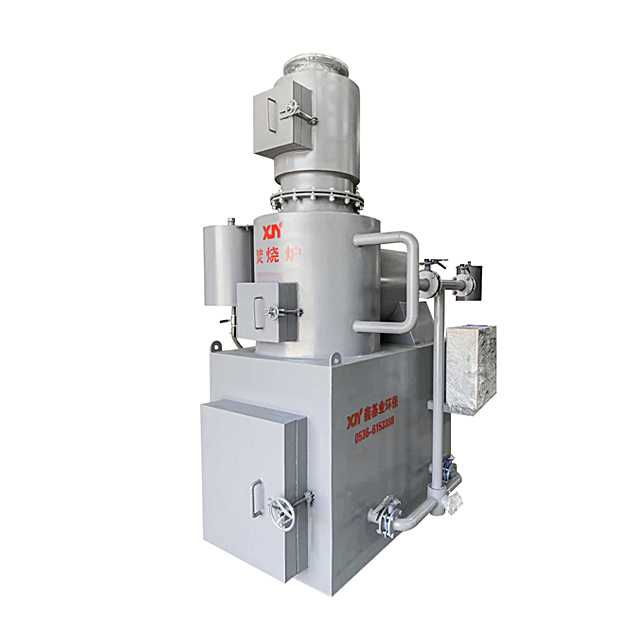
Healthcare workers are regularly exposed to potentially infectious materials, and the safe disposal of medical waste is crucial to their well-being. Incinerators that feature dual chambers provide a higher level of safety by completely destroying any pathogens or harmful substances present in the waste. The two-stage combustion process ensures that the waste is thoroughly processed, minimizing the risk of exposure to hazardous materials.
In addition, dual-chamber incinerators help reduce the spread of infections by ensuring that harmful bacteria and viruses are completely destroyed during the incineration process. This is particularly important in healthcare environments, where the risk of cross-contamination can be high.
Using dual-chamber incinerators in healthcare settings significantly reduces the risk of exposure to infectious and hazardous materials for healthcare workers.
Although the upfront cost of a dual-chamber incinerator may be higher than other disposal methods, it offers significant long-term savings. Dual-chamber incinerators are more efficient, requiring less fuel and providing faster processing times. The enhanced combustion process means that waste is fully incinerated, reducing the need for costly waste handling, transportation, and disposal.
Moreover, dual-chamber incinerators require less maintenance compared to single-chamber systems, further reducing operational costs. By minimizing waste volume and ensuring efficient destruction, dual-chamber incinerators provide a cost-effective solution for healthcare facilities.
While the initial investment in a dual-chamber incinerator may be higher, the long-term savings in waste management costs make it a smart investment for healthcare facilities.
Healthcare facilities are required to comply with stringent environmental regulations regarding medical waste disposal. Dual-chamber incinerators are designed to meet these regulations by ensuring that waste is incinerated at the appropriate temperatures and that harmful emissions are captured and neutralized. By using a dual-chamber incinerator, healthcare providers can be confident that they are adhering to local and international waste disposal standards.
This is especially important in countries with strict environmental laws, where improper disposal of medical waste can result in significant fines or legal penalties. Dual-chamber incinerators help healthcare facilities stay compliant with regulatory requirements while minimizing their environmental footprint.
Dual-chamber incinerators ensure that healthcare facilities comply with environmental regulations, helping them avoid fines and improve their sustainability efforts.
Dual-chamber incinerators offer critical advantages for medical waste disposal. They enhance safety, reduce long-term costs, and ensure compliance with environmental regulations. In this section, we’ll explore how dual-chamber incinerators provide these benefits, making them the ideal solution for healthcare facilities.
Autoclaving is a common method for disinfecting medical waste, particularly for non-hazardous materials like certain infectious waste. However, autoclaving is limited in its ability to destroy toxic chemicals, sharps, and pharmaceutical waste, which require higher temperatures for complete combustion. Incinerators, particularly dual-chamber incinerators, are better suited for handling these hazardous materials.
While autoclaving can be effective for certain types of medical waste, incinerators provide a more comprehensive solution for dealing with a wider variety of waste materials, especially those that require higher temperatures for complete destruction.
Single-chamber incinerators are less efficient than dual-chamber systems because they lack the secondary combustion stage. This means that some toxins or unburned material may remain in the waste, posing a risk to the environment and human health. Dual-chamber incinerators, with their two-stage combustion process, ensure a higher level of waste destruction and toxin removal, making them a superior choice for medical waste disposal.
For facilities that need to handle hazardous medical waste, dual-chamber incinerators are a more efficient and reliable option compared to single-chamber models.
Dual-chamber incinerators help reduce medical waste sent to landfills and support sustainable healthcare practices. This section explores their role in minimizing environmental impact and promoting eco-friendly waste management.
The rise in medical waste disposal has led to concerns about the strain on landfills. Dual-chamber incinerators help reduce the amount of medical waste sent to landfills by converting waste into ash and gases. This helps prevent the environmental risks associated with landfills and ensures that medical waste is properly disposed of.
By reducing the volume of waste and ensuring complete combustion, dual-chamber incinerators provide a more sustainable waste management solution compared to landfilling.
Sustainability is becoming increasingly important in healthcare, and dual-chamber incinerators are helping to support green practices. These systems are designed to reduce emissions, improve energy efficiency, and minimize waste-to-landfill impact. By adopting dual-chamber incinerators, healthcare facilities can contribute to more sustainable waste management practices while ensuring compliance with environmental regulations.
Dual-chamber incinerators align with sustainability goals in healthcare by minimizing waste, reducing emissions, and supporting eco-friendly waste management practices.
Dual-chamber incinerators are essential for the safe and efficient disposal of medical waste. They ensure complete combustion, reduce harmful emissions, and are environmentally friendly.Zhucheng Xinjiye Environmental Protection Equipment Co., Ltd. provides high-quality incinerators that help healthcare facilities manage medical waste safely while complying with environmental standards.
A: Dual chamber incinerators provide a two-stage combustion process that ensures complete destruction of harmful pathogens, chemicals, and toxins in medical waste, making them highly efficient and safe.
A: The first chamber burns waste at high temperatures, while the second chamber ensures complete combustion of gases and remaining particles, reducing pollutants and ensuring full destruction of medical waste.
A: Dual chamber incinerators minimize harmful emissions by incorporating advanced filtration systems, making them more environmentally friendly than single-chamber models.
A: While dual chamber incinerators have a higher initial cost, they provide long-term savings by reducing operational costs and ensuring compliance with environmental regulations.
A: Yes, dual chamber incinerators are designed to handle various types of medical waste, including hazardous, infectious, and pharmaceutical waste, ensuring complete and safe disposal.


