


Views: 0 Author: Site Editor Publish Time: 2026-01-21 Origin: Site


Incinerators are critical for waste disposal, but how well they perform depends on strict specifications. These technical parameters dictate the efficiency, safety, and environmental impact of the incineration process. In this article, we will explore why following incineration specifications is essential for ensuring proper waste treatment and compliance with regulations. You will learn how incineration specifications improve operational efficiency and reduce harmful emissions.
Incineration is primarily used to dispose of waste that cannot be recycled or is hazardous. This includes medical waste, certain industrial waste, and non-recyclable municipal solid waste. When waste is incinerated, it is exposed to high temperatures, which break it down into ash, gas, and heat. The ash left behind is much smaller in volume, and the heat generated during the process can often be used for energy production, making incineration a form of waste-to-energy (WTE) technology.
The incineration process is highly efficient and helps reduce the burden on landfills. However, its success depends on how well the incinerator is maintained and whether it adheres to its incineration specifications. For instance, combustion temperature is one of the most critical parameters. Incinerators must maintain a sufficiently high temperature to ensure complete combustion of the waste. If the temperature is too low, incomplete combustion can occur, leading to the release of toxic emissions and unburned waste.
Incineration can significantly reduce the volume of waste, but it also comes with environmental risks. The burning of waste generates gases that can be harmful to both the environment and public health. These include carbon dioxide (CO₂), nitrogen oxides (NOx), dioxins, and particulate matter. Without the proper emissions control measures in place, incineration can contribute to air pollution, global warming, and respiratory issues in humans.
To mitigate these risks, incinerators must be equipped with appropriate emissions control technologies, such as scrubbers, baghouses, and electrostatic precipitators, which capture and neutralize harmful gases before they are released into the atmosphere. Incineration specifications play a key role in ensuring that these systems are designed and operated correctly, ensuring that the incineration process complies with environmental regulations and minimizes its impact on the surrounding environment.
Emission Type | Description | Control Method |
Carbon Dioxide (CO₂) | A greenhouse gas emitted from burning organic waste. | Carbon capture systems or proper combustion management. |
Nitrogen Oxides (NOx) | Air pollutants that contribute to acid rain and smog. | Use of selective catalytic reduction (SCR) or selective non-catalytic reduction (SNCR) systems. |
Dioxins and Furans | Highly toxic chemicals that can accumulate in the environment. | Activated carbon filters and high-efficiency scrubbers. |
Particulate Matter | Tiny particles that can be harmful when inhaled. | Electrostatic precipitators and fabric filters. |
Heavy Metals | Pollutants from certain materials, such as mercury and lead. | Use of specialized filters to capture heavy metals. |
Incinerators are subject to strict environmental regulations, especially when it comes to emissions. In many regions, including the European Union, United States, and Asia, regulatory bodies have set strict limits on the amount of pollutants that incinerators can release. These pollutants include dioxins, heavy metals, and greenhouse gases. Regulations such as the Clean Air Act in the U.S. or the Waste Incineration Directive in Europe set limits on emissions and mandate continuous emissions monitoring (CEM).
Incineration specifications ensure that these regulatory requirements are met. By establishing clear guidelines for the operation of incinerators—such as specifying the temperature ranges, combustion efficiency, and required filtration systems—incineration specifications help operators comply with local and international laws, avoiding penalties and potential shutdowns.
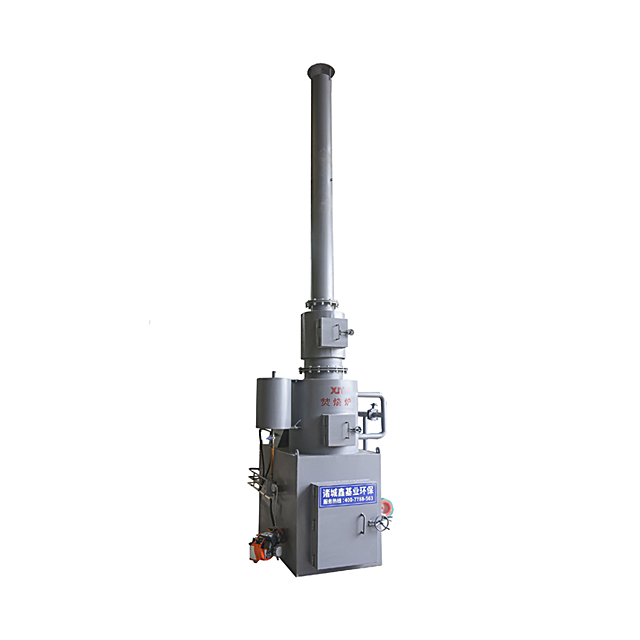
An incineration specification is a set of parameters that dictates the conditions under which an incinerator must operate. These specifications are designed to ensure that the incineration process is efficient, safe, and environmentally friendly. They typically cover the following:
● Combustion Temperature: Incinerators must maintain a sufficiently high temperature to ensure complete combustion of the waste. Specifications typically recommend temperatures between 800°C and 1,200°C for effective waste treatment.
● Waste Type Compatibility: Not all waste can be incinerated the same way. Some materials may require different combustion conditions. For example, medical waste might need higher temperatures to ensure sterilization, while other materials may require longer combustion times to ensure complete breakdown.
● Emissions Control: Incinerators must be equipped with filters and scrubbers to reduce harmful emissions. Specifications outline the types of filters required and the level of emissions reduction necessary to meet regulatory limits.
● Maintenance: Incinerators require regular maintenance to ensure they continue to operate efficiently. Specifications often outline maintenance schedules for cleaning, replacing filters, and checking key components like the combustion chamber.
Adhering to these specifications ensures that the incinerator operates at peak efficiency, minimizes harmful emissions, and complies with regulatory standards.
Designing an incinerator is a complex task that must consider a range of factors. These include:
● Thermal Capacity: The incinerator must have enough thermal capacity to handle the waste volume and reach the necessary temperatures for complete combustion. The specification will define the minimum and maximum thermal capacity required for optimal operation.
● Waste Composition: Different types of waste burn differently. The specifications must consider the chemical and physical properties of the waste being processed. For example, medical waste may contain materials like plastics and metals that require specific handling to ensure proper combustion.
● Emission Control: The specification will detail the requirements for controlling and reducing emissions. This includes the type of filtration and scrubber systems needed to meet the required emissions standards.
Factor | Description | Specification Impact |
Thermal Capacity | The maximum amount of heat the incinerator can generate. | Ensures complete combustion and efficient waste treatment. |
Waste Type Compatibility | The types of waste the incinerator can process (e.g., medical, industrial). | Determines the combustion process and operational adjustments needed. |
Emissions Control | The systems in place to filter and capture pollutants (e.g., scrubbers, filters). | Ensures that harmful gases and particulates are minimized, reducing environmental impact. |
Combustion Temperature | The optimal temperature at which waste must be burned. | Affects combustion efficiency and the formation of harmful by-products. |
Maintenance Requirements | Regular checks and replacements needed for key components. | Guarantees the incinerator remains in good working order, preventing breakdowns. |
The materials used in the construction of the incinerator are also crucial. Refractory materials, which line the furnace, must be able to withstand the extreme temperatures of the combustion process. In addition, the materials used in the air filtration systems must be durable and capable of effectively capturing harmful emissions.
In many cases, specifications will dictate which materials can be used based on the type of waste the incinerator is designed to process. For example, medical waste incinerators may require special materials to handle the higher temperatures and potential for corrosive by-products.
When incinerators are operated according to their specifications, they are more efficient in terms of both energy usage and waste processing. Proper temperature control ensures complete combustion, reducing the need for additional processing and lowering fuel consumption. Additionally, optimized combustion conditions minimize unburned residues, reducing waste and emissions.
Tip: Ensuring that your incinerator operates within its specified temperature range can help you reduce energy costs by improving combustion efficiency.
By following incineration specifications, incinerators can minimize the release of harmful pollutants into the air. Properly designed and maintained filtration systems capture particulate matter, dioxins, and other harmful chemicals before they can enter the atmosphere. This not only reduces the environmental footprint of the incineration process but also ensures compliance with strict environmental regulations.
Incineration specifications are closely aligned with regulatory requirements for emissions and waste treatment. By following these guidelines, operators can ensure that their incinerators meet the required environmental standards. This reduces the risk of regulatory penalties and helps ensure smooth operations.
When incinerators fail to meet their specifications, the risk of harmful emissions increases. Incomplete combustion can lead to the release of unburned waste, toxic chemicals, and particulate matter, all of which can have serious health implications. These pollutants can cause respiratory issues, cardiovascular problems, and contribute to global warming.
Non-compliance with incineration specifications can result in severe penalties. Regulatory bodies such as the EPA or EEA can impose fines or force incinerators to shut down if they are not operating within specified limits. These penalties can lead to financial losses, reputational damage, and legal liabilities.
Failing to adhere to incineration specifications leads to inefficient operation, which increases wear and tear on the equipment. This can result in higher maintenance costs, as well as reduced lifespan for the incinerator. Incinerators that do not meet their specifications often need to be replaced earlier than those that are properly maintained.
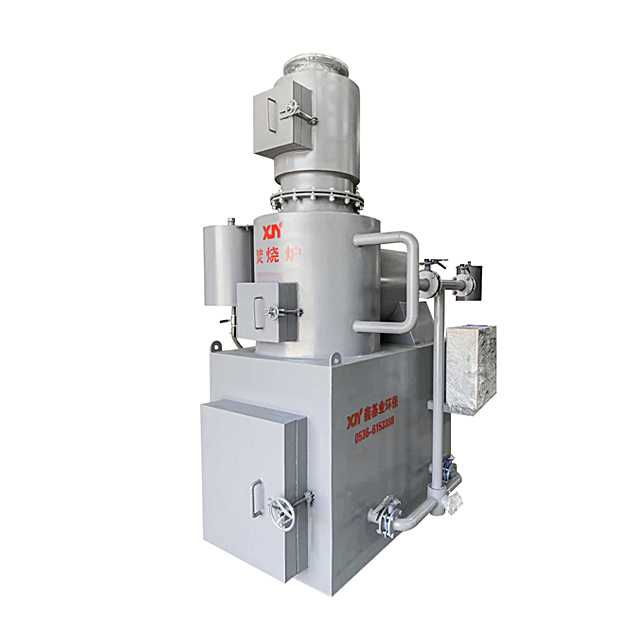
To ensure efficiency and safety, incinerators must use durable materials that withstand high temperatures and corrosion. Maintaining the correct combustion temperature (800°C to 1,200°C) ensures complete combustion. Emissions control systems like scrubbers and filters help meet regulatory standards, while waste type compatibility ensures safe processing of various materials.
Ensuring that incinerators meet the necessary specifications requires careful planning, constant monitoring, and proactive maintenance. By adhering to these guidelines, operators can ensure that the incineration process is not only efficient but also compliant with environmental standards, thereby minimizing emissions and reducing the ecological footprint.
To meet incineration specifications, incinerator systems must be carefully designed. This includes choosing the right materials, specifying appropriate combustion temperatures, and selecting the best emissions control systems. It’s also important that the incinerator is designed to handle the specific waste types it will process.
Real-time monitoring is essential to ensure that the incinerator operates within its specified parameters. Monitoring systems track temperature, emissions, and combustion efficiency, providing alerts when any parameter falls outside the specified range. Regular maintenance, including cleaning and replacing components, ensures that the system continues to operate efficiently.
As environmental regulations evolve, incinerators must be adapted to meet new requirements. This includes upgrading emissions control systems and improving energy efficiency. Regular reviews of incineration specifications ensure that incinerators remain compliant with changing regulations and continue to operate effectively.
Incineration specifications are vital to waste management, ensuring efficient operations and environmental safety. By adhering to these guidelines, incinerators can reduce waste volume and harmful emissions while maintaining regulatory compliance.Zhucheng Xinjiye Environmental Protection Equipment Co., Ltd. provides high-quality incineration systems designed to meet these critical specifications, offering reliable and efficient solutions for waste disposal.
A: Incineration specifications are a set of technical parameters that guide the design and operation of an incinerator, ensuring safe and efficient waste disposal while minimizing harmful emissions.
A: Following incineration specifications ensures that the incinerator operates at optimal efficiency, reducing waste volume and harmful emissions, and ensuring compliance with regulatory standards.
A: Proper incineration specifications help minimize harmful pollutants such as dioxins and CO₂, reducing the environmental impact of the incinerator and supporting sustainable waste management.
A: Failure to meet incineration specifications can lead to incomplete combustion, higher emissions, regulatory penalties, and increased maintenance costs for the incinerator.
A: Incineration specifications include factors like combustion temperature, waste type compatibility, emission control requirements, and maintenance schedules for optimal performance.
A: Regular monitoring, adherence to maintenance schedules, and using the appropriate filtration systems can help ensure that your incinerator meets the required specifications.


