


Views: 0 Author: Site Editor Publish Time: 2025-10-30 Origin: Site


Ever wondered what happens to waste from farm animals? Livestock waste is more than just manure; it's a complex mix of materials. Understanding its categories and disposal methods is crucial to protect our environment. In this post, you'll learn about the different types of livestock waste and how incinerators can help manage them effectively.
Livestock waste includes all the solid, liquid, and semi-liquid materials produced by farm animals like cows, pigs, sheep, and poultry. It mainly consists of manure, urine, bedding materials such as straw or wood shavings, spilled feed, wash water from cleaning animal areas, slurry (a mix of manure and water), and sometimes dead animals or carcasses. This waste results from everyday animal activities and farm maintenance.
Manure: A mix of feces and urine, rich in nutrients like nitrogen and phosphorus.
Bedding Material: Used for animal comfort; often absorbs moisture and waste.
Slurry: Semi-liquid mix, often stored in tanks or lagoons.
Wash Water: Used to clean animal housing; may contain organic matter.
Spilled Feed: Uneaten feed that can attract pests or cause pollution.
Carcasses: Dead animals requiring special disposal due to health risks.
Each component varies in moisture content, nutrient levels, and potential environmental impact. For example, manure is nutrient-rich and can fertilize crops, but if unmanaged, it can pollute water sources.
Livestock waste can harm the environment without proper management. Here’s how:
Water Pollution: Runoff or leaching from manure can contaminate rivers, lakes, and groundwater with nutrients and pathogens. This leads to problems like algal blooms and unsafe drinking water.
Air Pollution: Waste emits gases such as ammonia, methane, and nitrous oxide. Methane and nitrous oxide are potent greenhouse gases contributing to climate change.
Soil Degradation: Excessive manure application can overload soils with nutrients, harming soil health and crop productivity.
Disease Spread: Waste may contain harmful bacteria, viruses, or parasites that can infect animals and humans.
Proper handling and treatment reduce these risks, turning waste into a valuable resource for farming.
Note: Understanding livestock waste's composition and environmental impact helps farmers choose the right disposal methods and protect natural resources effectively.
Livestock waste is classified into three main categories based on risk levels to animal and human health. Understanding these categories helps farmers manage waste safely and comply with regulations.
This category includes the most dangerous waste. It can carry severe diseases affecting animals or humans. Examples include:
Animals or parts suspected of transmissible spongiform encephalopathies (TSEs), like mad cow disease.
Specified risk material (SRM), such as brain, spinal cord, or skull from cattle, sheep, or goats.
Carcasses of zoo or pet animals.
Wild animals suspected of infectious diseases.
Waste from international transport catering that might spread foreign animal diseases.
Wastewater from facilities handling Category 1 materials.
Category 1 waste requires the strictest disposal methods, usually incineration, to prevent disease spread.
This group still poses significant risks but is less dangerous than Category 1. It includes:
Animals slaughtered during disease control programs, even if symptom-free.
Manure and digestive tract contents.
Fallen stock: animals that died on the farm due to illness or accidents.
Animal tissues from wastewater treatment at Category 2 plants.
Category 2 waste must be handled carefully, often through rendering, composting, or anaerobic digestion, followed by proper disposal.
This category contains waste posing minimal risk to health. Examples are:
Animal parts fit for human consumption but not used for food, like bones, hides, or feathers.
Former foodstuffs of animal origin from retailers or caterers (excluding international transport waste).
Milk, eggs, and by-products from healthy animals.
Category 3 waste can be recycled or disposed of through land spreading, composting, or other less intensive methods.
Keeping these categories separate is crucial. Mixing them forces treating the entire batch as the highest-risk category, increasing costs and complexity. Proper segregation ensures:
Safety for farm workers and the public.
Compliance with legal regulations.
Efficient use of disposal methods.
Reduced environmental impact.
Farmers should train staff on waste categorization and use clear labelling and storage systems. Regular audits help maintain compliance and identify risks early.
Proper disposal of livestock waste is crucial to protect the environment, prevent disease spread, and comply with regulations. Different types of waste require specific disposal methods based on their risk category and physical nature. Here are the main disposal methods used in livestock waste management:
Incineration involves burning waste at very high temperatures. This method effectively destroys harmful pathogens, reduces waste volume, and minimizes odors. Modern incinerators use advanced pollution control systems, ensuring emissions meet environmental standards. Incineration also recovers energy, which can be used for heating or electricity, offsetting operational costs.
Best for: Category 1 waste (very high-risk), also suitable for some Category 2 and 3 wastes.
Advantages: Complete destruction of pathogens, volume reduction, energy recovery, odor control.
Considerations: Requires investment in equipment, proper operation, and emissions monitoring.
Rendering processes animal by-products by heating and separating fats, proteins, and other materials. It kills pathogens and converts waste into useful products like animal feed ingredients, fertilizers, or bio-based materials. Rendering supports a circular economy by recycling waste into valuable resources.
Best for: Category 2 waste, some Category 3 waste after treatment.
Advantages: Waste reduction, resource recovery, pathogen elimination.
Considerations: Requires specialized facilities; not suitable for very high-risk waste.
Composting uses microorganisms to break down organic waste like manure, bedding, and some carcasses under controlled conditions. The process produces nutrient-rich compost that improves soil health. Maintaining proper temperature, moisture, and oxygen levels ensures pathogen destruction and high-quality compost.
Best for: Category 2 and 3 waste.
Advantages: Produces valuable soil amendment, reduces waste volume, environmentally friendly.
Considerations: Needs careful management and space; slower process than incineration or rendering.
Anaerobic digestion breaks down organic waste without oxygen, producing biogas (mainly methane) and digestate. Biogas serves as renewable energy for heating or electricity. Digestate is a nutrient-rich fertilizer. This method reduces greenhouse gas emissions and odor.
Best for: Category 2 and 3 waste.
Advantages: Renewable energy generation, waste volume reduction, nutrient recycling.
Considerations: Requires investment in digesters and gas handling systems.
Land spreading applies manure directly to fields as fertilizer. It recycles nutrients to crops but requires careful management to avoid overapplication, which can cause water pollution. Timing, soil type, and crop needs must be considered to maximize benefits and minimize risks.
Best for: Category 3 waste under strict conditions.
Advantages: Nutrient recycling, low cost.
Considerations: Risk of runoff, nutrient leaching if poorly managed.
Landfilling involves burying waste in designated sites. It is the least preferred method due to potential methane emissions and groundwater contamination. It should only be used when other options are unavailable or for treated Category 3 waste.
Best for: Treated Category 3 waste, some treated Category 2 waste.
Advantages: Simple disposal option.
Considerations: Environmental risks, loss of resource value.
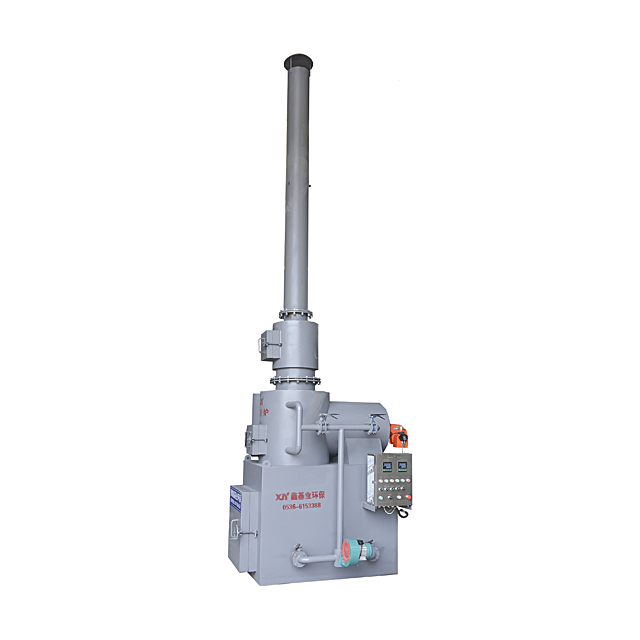
Livestock waste management has evolved with technology, making disposal safer, cleaner, and more efficient. These modern methods help farmers reduce environmental impact while turning waste into valuable resources.
Modern incinerators burn livestock waste at very high temperatures. They destroy harmful pathogens completely, reducing disease risk. These incinerators also lower waste volume significantly and control bad odors. Many use advanced filters and scrubbers to keep air pollution minimal. Some models even capture heat from burning waste to produce energy, cutting fuel costs.
Benefits: Complete pathogen destruction, less waste volume, energy recovery, odor control.
Ideal for: High-risk waste needing safe, thorough disposal.
Anaerobic digestion is a popular technology that breaks down organic waste without oxygen. Microorganisms digest manure and other waste, producing biogas—a mix mostly methane. This gas can fuel generators, heaters, or vehicles, providing renewable energy on the farm. The leftover material, called digestate, is a nutrient-rich fertilizer.
Benefits: Renewable energy, reduced greenhouse gases, nutrient recycling.
Ideal for: Medium to large farms with steady waste supply.
Vermicomposting uses earthworms to break down organic waste like manure and bedding. Worms consume the waste, producing nutrient-rich castings that enhance soil health. This method is natural, low-cost, and produces excellent fertilizer. It also reduces waste volume and odors.
Benefits: High-quality fertilizer, eco-friendly, simple technology.
Ideal for: Small to medium farms wanting organic soil amendments.
Proper storage is key to effective waste management. Modern storage systems include sealed tanks, covered lagoons, and biofilters. These prevent nutrient runoff, reduce odors, and limit greenhouse gas emissions. Some farms use automated systems to monitor temperature, moisture, and gas levels, optimizing waste treatment.
Benefits: Environmental protection, odor control, improved waste treatment.
Ideal for: All farm sizes aiming for compliance and sustainability.
Proper livestock waste management protects the environment in several key ways:
Reduces Water Pollution: Managing waste prevents nutrient runoff and pathogen contamination of rivers, lakes, and groundwater. This helps avoid harmful algal blooms and protects drinking water quality.
Lowers Air Pollution: Treating waste reduces emissions of ammonia, methane, and nitrous oxide—potent greenhouse gases that contribute to climate change. It also cuts down odors affecting nearby communities.
Improves Soil Health: Applying treated manure carefully adds nutrients and organic matter to soil, enhancing fertility and structure without causing nutrient overload.
Controls Disease Spread: Safe disposal methods reduce risks of pathogens spreading to animals and humans, safeguarding public and animal health.
These environmental benefits support sustainable farming and preserve natural resources for future generations.
Effective livestock waste management can boost farm profitability:
Reduces Fertilizer Costs: Properly treated manure serves as a valuable fertilizer, cutting the need for synthetic inputs.
Generates Renewable Energy: Technologies like anaerobic digestion produce biogas, which farmers can use to lower energy bills or sell back to the grid.
Creates Marketable By-products: Rendering and composting convert waste into products such as animal feed ingredients and soil amendments, adding revenue streams.
Improves Compliance: Avoiding fines and penalties by meeting environmental regulations saves money and protects farm reputation.
Enhances Productivity: Healthier soils and reduced disease outbreaks improve crop yields and livestock performance, increasing overall farm efficiency.
Investing in waste management systems often pays off by lowering costs and creating new income opportunities.
Despite benefits, farmers face several hurdles:
High Initial Costs: Equipment for advanced treatment (incinerators, digesters) requires significant investment.
Technical Complexity: Running and maintaining waste systems demands expertise and training.
Space Requirements: Composting and storage need adequate land area and infrastructure.
Regulatory Burden: Navigating permits and compliance can be time-consuming and complex.
Variable Waste Volumes: Seasonal changes in livestock numbers affect waste production and system sizing.
Overcoming these challenges requires planning, education, and sometimes financial support. Collaboration with experts and government programs can ease adoption. Evaluate both environmental benefits and economic returns when choosing livestock waste management solutions to ensure long-term farm sustainability and compliance.
An effective waste management plan is the foundation of sustainable livestock farming. It starts by assessing the type and amount of waste produced on the farm. Knowing this helps plan collection, storage, treatment, and disposal steps. The plan should:
Identify waste sources and categories.
Outline collection frequency and methods.
Specify storage facilities and capacities.
Choose appropriate treatment and disposal methods based on waste risk.
Include emergency procedures for spills or contamination.
Farmers must involve all staff in the plan to ensure proper handling and compliance. Regularly reviewing and updating the plan keeps it relevant as farm conditions change.
Managing nutrients from livestock waste is crucial to avoid environmental harm while supporting crop growth. Soil testing reveals nutrient levels and deficiencies, guiding precise manure application. This prevents nutrient overload, which can cause water pollution or soil damage.
Key steps include:
Testing soil before applying manure.
Matching manure application rates to crop nutrient needs.
Timing applications to maximize nutrient uptake and minimize runoff.
Using buffer zones near water bodies to protect water quality.
Nutrient management plans help farmers recycle waste nutrients efficiently, reducing fertilizer costs and protecting ecosystems.
Compliance with environmental regulations is mandatory and benefits farm sustainability. Regulations often cover waste storage, treatment, land application, and emissions. Farmers should:
Stay informed about local, regional, and national rules.
Keep records of waste handling and disposal.
Use approved methods for each waste category.
Conduct regular inspections and audits.
Following regulations reduces risks of fines, legal issues, and environmental damage. It also builds trust with communities and customers.
The future of livestock waste management is moving toward smarter, greener solutions. Trends include:
Digital Monitoring: Sensors track waste storage conditions, nutrient levels, and emissions in real-time.
Precision Application: Technology enables exact manure spreading, minimizing waste and environmental impact.
Enhanced Treatment: New methods like nutrient recovery, biochar production, and advanced anaerobic digestion improve resource use.
Circular Economy: Waste products turn into energy, fertilizers, and materials, closing resource loops.
Stronger Regulations: Policies will increasingly demand sustainable practices and pollutant reductions.
Farmers adopting these trends will improve efficiency, reduce costs, and protect the environment. Develop a comprehensive waste management plan that integrates nutrient testing, regulatory compliance, and emerging technologies to ensure sustainable and efficient livestock waste handling.
Livestock waste includes manure, bedding, and carcasses, impacting the environment if not managed properly. Understanding waste categories and disposal methods is crucial for sustainable farming. Farmers must adopt efficient waste management practices to protect natural resources and enhance productivity. Xinjiye offers innovative solutions that transform waste into valuable resources, supporting farmers in achieving sustainability and compliance. By using Xinjiye's products, farmers can improve waste management, reduce environmental impact, and increase farm profitability.
A: An incinerator is used to burn high-risk livestock waste, such as Category 1 materials, at high temperatures. This process effectively destroys pathogens, reduces waste volume, and can recover energy.
A: Incineration benefits livestock waste disposal by completely destroying harmful pathogens, minimizing odors, and reducing waste volume. Advanced incinerators also recover energy, which can be used for heating or electricity.
A: Incineration is preferred for Category 1 waste because it ensures complete pathogen destruction, preventing disease spread. This method is crucial for very high-risk materials, like those suspected of transmissible diseases.
A: The costs of using an incinerator include purchasing equipment, operating expenses, and emissions monitoring. However, energy recovery from incineration can offset some operational costs.
A: Incineration offers complete pathogen destruction and energy recovery, unlike methods like composting or land spreading, which focus on nutrient recycling and require more management.


