


Views: 0 Author: Site Editor Publish Time: 2025-10-30 Origin: Site


Have you ever wondered how businesses deal with unique waste management challenges? A standard incinerator may not always be the best solution. In this post, we’ll explore what a bespoke incinerator is and why it’s essential for certain industries. You’ll learn how these customized solutions offer more efficiency, adaptability, and compliance with environmental regulations.
A bespoke incinerator stands apart from standard models due to its tailored design. While off-the-shelf incinerators are built for general use, bespoke systems are custom-made to meet specific business needs. These incinerators can be adjusted in terms of size, layout, and functionality to ensure they fit into your existing processes seamlessly.
Customization allows for the modification of key components, such as the combustion chamber, fuel burners, and control panels. Whether it's adapting to a particular waste type or optimizing space, bespoke incinerators offer a solution that can be integrated into your facility without major disruptions.
Choosing a bespoke incinerator is often the best option for businesses facing unique challenges. These systems can address space constraints, specific waste types, and even environmental compliance issues. For example, a company may need a system that fits into a small, confined space or one that handles hazardous or non-standard waste materials efficiently.
A custom incinerator ensures that the system integrates seamlessly into existing operations. By optimizing your waste management processes, you can improve efficiency and reduce operational costs. The right bespoke system not only meets your immediate needs but also enhances long-term sustainability by complying with environmental regulations.
Combustion efficiency is crucial when designing a bespoke incinerator. Different waste types burn at different rates, and some materials require more heat or longer burning times. Customizing the combustion chamber allows for better energy utilization and faster processing. Whether dealing with hazardous waste, medical waste, or organic materials, bespoke systems can be designed to ensure that each type of waste burns efficiently and thoroughly.
This customization means adjusting the chamber's size, shape, airflow, and burner placement to optimize combustion. For businesses dealing with multiple waste streams, a tailored combustion chamber offers the flexibility to handle each waste type with maximum efficiency.
Bespoke incinerators are designed to handle a variety of fuel types, such as waste oil, solid waste, and even biomass. Unlike standard models, which may only accommodate one fuel type, these custom systems can be modified to integrate multiple fuel sources, making them more versatile and cost-effective.
For example, using waste oil as a fuel source can significantly reduce operational costs. A bespoke incinerator can be adapted to efficiently burn this waste, providing a low-cost energy solution. Additionally, systems can be designed to optimize fuel consumption, ensuring that the right amount of fuel is used based on the waste type being incinerated.
A bespoke incinerator is equipped with custom control systems that provide precise operation and monitoring capabilities. These systems are designed to offer operators complete control over critical factors like temperature, combustion time, airflow, and fuel usage. By adjusting these variables, operators can ensure that the incinerator performs at optimal efficiency, delivering consistent and reliable waste processing.
The automation aspect of bespoke incinerators greatly reduces the need for manual intervention. Once set up, the system automatically adjusts various parameters to maintain peak performance. This automation ensures smoother operation, minimizes human error, and enhances overall system reliability.
Furthermore, these custom control panels can be integrated seamlessly into a company's existing waste management infrastructure. For businesses already using automated systems in other parts of their operations, this integration creates a cohesive, streamlined process. Operators can easily monitor and control the incinerator remotely through user-friendly interfaces, allowing for continuous oversight without the need to be physically present.
Remote monitoring capabilities not only improve ease of use but also help with preventative maintenance. Alerts and notifications can be sent to operators in real-time if the system detects any issues or requires adjustments. This capability allows businesses to act quickly, minimizing downtime and ensuring that the incinerator operates efficiently at all times.
Bespoke incinerators are essential for companies dealing with hazardous or difficult-to-incinerate waste. Standard incinerators often cannot handle these materials efficiently, which is where custom solutions come in. Whether it’s chemical waste, medical waste, or other specialized waste streams, bespoke systems can be designed to meet specific combustion requirements.
For instance, a company handling hazardous waste may need a system that ensures complete destruction while meeting stringent environmental standards. Real-world examples show how businesses use bespoke incinerators to safely manage these challenges, improving waste-to-energy efficiency and reducing harmful emissions.
In industries like construction and mining, large volumes of waste are generated, often containing complex or bulky materials. Custom incinerators can handle these waste types effectively by adjusting for size, fuel needs, and combustion efficiency.
A bespoke incinerator in the construction sector may be required to manage large-scale demolition waste or hazardous substances like asbestos. One notable case study in mining showed how a tailored incinerator helped a mining company dispose of waste materials on-site, reducing transportation costs and improving waste management efficiency.
In emergency situations, such as disaster relief operations, a bespoke incinerator can be a life-saving solution. These incinerators are designed to meet the unique challenges of managing waste in temporary settings, such as refugee camps or disaster zones.
Custom systems can be tailored to operate in remote locations, manage organic waste, or even handle the disposal of contaminated materials safely. For example, a bespoke incinerator in a disaster zone may need to operate on alternative fuel sources or be compact enough for easy transport and rapid deployment.
Tip: Custom-designed incinerators for disaster zones can be set up quickly, offering an immediate solution to waste disposal in emergencies.
Creating a bespoke incinerator begins with a detailed engineering consultation. Businesses work closely with engineers to define their specific needs, including waste type, volume, and any operational constraints. This collaborative approach ensures that the final design is aligned with the company’s goals. Engineers assess the waste stream’s properties, such as calorific value and moisture content, to determine the most effective incineration methods.
During the consultation, in-house testing and simulation play a key role. Engineers run simulations to predict how different materials will burn in the customized system, ensuring that the incinerator will perform as expected. This step is essential for fine-tuning the design before moving forward with production.
Once the consultation phase is complete, the design process begins. Engineers work from the concept stage to create a working prototype. This involves drafting detailed plans, selecting materials, and choosing the most efficient components for combustion and waste management.
Customization is a central focus during this phase. Based on the waste analysis, the design will be tailored to meet specific requirements, such as temperature control, air circulation, and the system's size. This ensures that the bespoke incinerator will be optimized for the client’s waste stream, offering better efficiency and compliance with regulations.
Before the incinerator is shipped for installation, it undergoes rigorous testing. This testing phase ensures the system meets safety standards and performs efficiently. Engineers assess the entire system, from combustion efficiency to emissions control, to verify that it will operate as expected in real-world conditions.
Once the system passes testing, it receives final approval. However, the process doesn’t stop there. Continuous monitoring and updates are provided after installation to ensure the incinerator remains efficient and compliant. Engineers can adjust settings remotely or on-site if necessary to maintain optimal performance over time.
Testing Phase | What is Tested | Purpose |
Combustion Efficiency | Combustion chambers, fuel usage | Ensure complete and efficient burning |
Emissions Control | Flue gas handling, scrubbers | Meet environmental standards |
System Safety | Electrical and mechanical systems | Verify operational safety |
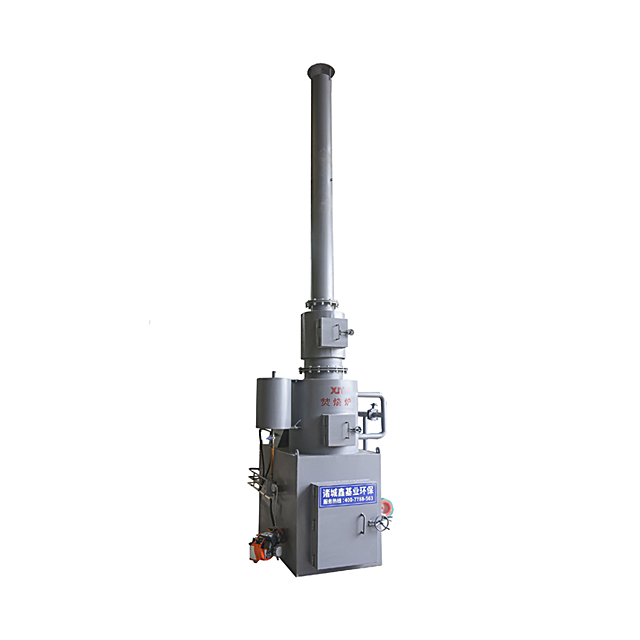
Bespoke incinerators often have higher upfront costs compared to standard models. This is because they are custom-designed to meet specific needs, requiring more specialized materials and engineering. However, these higher initial costs are balanced by long-term savings. A tailored incinerator can operate more efficiently, reducing energy consumption and maintenance costs over time.
For instance, a company may invest in a bespoke incinerator to handle difficult waste types more effectively. Over time, the increased efficiency and reduced fuel consumption can significantly lower operating expenses. A case study from a mining company showed how switching to a custom incinerator helped reduce waste processing costs by 20% annually.
Initial Investment | Long-Term Savings | Example |
Higher upfront cost | Reduced operational and maintenance costs | Mining company reducing waste disposal costs by 20% annually |
Custom components | More energy-efficient operation | Waste oil incinerator saving on fuel costs |
Tailored design | Less frequent repairs | Long-lasting, high-quality components |
Bespoke incinerators are designed to meet stringent environmental standards, such as the EU Waste Incineration Directive (EU WID). These custom systems are built to ensure compliance with emission limits, which helps businesses avoid fines and meet regulatory requirements.
The efficiency of a bespoke incinerator also plays a significant role in reducing its environmental impact. Higher thermal efficiency means more waste is converted into energy, and fewer harmful emissions are produced. Many bespoke systems incorporate advanced pollution control technologies like scrubbers and flue gas recirculation, which lower the release of toxic gases into the atmosphere.
Environmental Benefit | How it Works | Outcome |
Lower emissions | Advanced filtration and scrubbers | Compliant with EU WID standards |
Higher thermal efficiency | Optimized combustion processes | Better energy recovery |
Reduced environmental impact | Integrated emission control systems | Cleaner operations, fewer fines |
Bespoke incinerators have been successfully implemented across various industries, helping businesses tackle waste management challenges. One example is a mining company that needed to dispose of large volumes of mining waste, which contained heavy metals and hazardous materials. A standard incinerator couldn’t handle the specific requirements, so a custom solution was developed. The bespoke system was designed to manage the hazardous waste efficiently, reducing the environmental impact and operating costs.
Similarly, in the medical field, a hospital dealing with medical and biohazardous waste required an incinerator that met stringent health regulations while maintaining operational efficiency. A custom incinerator was created with specialized combustion chambers and enhanced filtration systems. This ensured compliance with health standards while allowing the hospital to safely dispose of waste on-site.
When considering bespoke incinerators, many businesses focus on the initial cost, but the return on investment (ROI) can be substantial. A company that handles large amounts of waste can save significantly over time. A custom incinerator designed for higher efficiency means reduced fuel usage, fewer maintenance costs, and less downtime.
One case study involved a manufacturing plant that switched to a bespoke incinerator to handle waste more effectively. The custom system reduced their fuel consumption by 25%, leading to substantial savings over the year. The plant also experienced fewer breakdowns, lowering maintenance costs. After just two years, the plant had already recovered its initial investment.
Business | Initial Cost | Annual Savings | Payback Period |
Manufacturing plant | High upfront investment | 25% reduction in fuel consumption | 2 years |
Mining company | Custom design for hazardous waste | Reduced operational costs | ROI within 3 years |
Bespoke incinerators offer tailored solutions for unique waste management needs. They provide higher efficiency, cost savings, and compliance with environmental standards. Xinjiye's custom incinerators are designed to meet specific business requirements, ensuring optimal waste disposal. Businesses seeking a specialized incineration solution can contact Xinjiye's engineers for customized designs that bring long-term value and operational savings.
A: A bespoke incinerator is a custom-designed waste disposal system tailored to meet specific business needs, offering optimized efficiency and compliance.
A: Bespoke incinerators address unique challenges such as waste type, size, and operational constraints, offering better long-term savings and efficiency.
A: Bespoke incinerators are built to meet stringent environmental standards like EU WID, ensuring lower emissions and improved waste-to-energy efficiency.
A: While they have higher upfront costs, bespoke incinerators provide long-term savings through reduced fuel consumption, maintenance, and operational costs.


