


Views: 0 Author: Site Editor Publish Time: 2025-11-03 Origin: Site


After a natural disaster, communities face overwhelming debris and waste. This can delay recovery and harm public health. Incinerators provide an effective solution, quickly disposing of waste while minimizing environmental risks. In this article, we'll explore how incinerators help manage disaster debris, their benefits, and their role in faster recovery.
An incinerator is a device used to burn waste at high temperatures. This process reduces waste volume and transforms it into ash, gas, and heat. Incinerators are essential for managing large amounts of debris, especially in disaster zones where traditional waste disposal methods might not be feasible.
There are several types of incinerators designed for use in disaster areas:
● Mobile Incinerators: These are portable units that can be quickly deployed to disaster zones. They are easy to transport and can be set up in various locations to begin waste management immediately.
● Containerized Incinerators: These incinerators are housed in containers, providing protection against harsh weather. They are ideal for areas where a stable waste disposal solution is needed for extended periods.
● Skid-Mounted Incinerators: These are larger, stationary units mounted on a skid, which can be relocated if necessary. They are often used in larger-scale operations or when dealing with significant waste volumes.
Incinerators operate by heating waste to high temperatures, typically ranging from 800°C to 1,200°C. This intense heat causes the organic material in the waste to break down, producing ash and gases. The combustion process is designed to be efficient, ensuring that harmful pathogens and chemicals are destroyed.
Some incinerators are equipped with waste-to-energy technology, which captures the heat generated during burning. This heat can be converted into electricity or used for heating, providing an additional benefit to disaster recovery efforts.
Bespoke incinerators are specially designed to handle the unique waste streams found in disaster zones. Unlike standard incinerators, these custom units are tailored to manage different types of waste, such as:
● Medical Waste: After a disease outbreak or medical emergency, bespoke incinerators can safely dispose of used medical equipment, contaminated PPE, and syringes.
● Animal Carcasses: In disaster zones, animal carcasses are often widespread, presenting a health risk. Bespoke incinerators efficiently handle this organic waste to prevent the spread of disease.
● Hazardous Debris: After events like chemical spills or industrial accidents, bespoke incinerators are equipped to safely destroy hazardous materials that can’t be handled by regular incinerators.
Bespoke incinerators offer several advantages, making them invaluable in disaster relief:
● Faster Waste Processing: They can process waste quickly, which is crucial when large amounts of debris need to be cleared.
● Versatile Deployment: Custom-built for various needs, these incinerators can be deployed anywhere, from remote disaster areas to areas with limited infrastructure.
● Adaptable Design: Bespoke incinerators are designed to meet the specific challenges of the disaster. Whether it’s handling a particular type of waste or fitting into tight spaces, they adapt to each situation.
Bespoke incinerators have played a critical role in many recent disaster relief efforts:
● Haiti Earthquake (2010): Bespoke incinerators were used to dispose of both medical and general waste, helping reduce the spread of disease in temporary relief camps.
● Indian Ocean Tsunami (2004): Specialized incinerators were brought in to handle the disposal of massive amounts of animal carcasses and contaminated debris, preventing contamination of the water supply.
● Ebola Outbreak (2014): During the Ebola crisis, bespoke medical waste incinerators were used to ensure the safe disposal of contaminated medical materials, preventing further outbreaks.
These real-world examples show how bespoke incinerators provide flexible, efficient, and safe solutions in disaster zones, making them an essential part of the recovery process.
In disaster zones, the rapid accumulation of debris can hinder recovery efforts. Incinerators help speed up the cleanup process by reducing large volumes of waste. For instance, organic waste, construction debris, and even animal carcasses can be quickly processed. This not only clears the area faster but also allows relief teams to focus on other critical tasks, such as providing medical aid and infrastructure rebuilding. By burning waste at high temperatures, incinerators significantly reduce waste volume, allowing for efficient space management and preventing overcrowded landfills.
Incinerators offer several environmental benefits that make them ideal for disaster zones:
● Emission Control Technologies: Modern incinerators are equipped with advanced filtration systems that help minimize harmful emissions during waste disposal. These systems ensure that pollutants like smoke, toxins, and particles are effectively captured and filtered out.
● Minimizing Contamination Risks: After a disaster, debris often contains hazardous materials such as chemicals, asbestos, or waste from damaged industrial sites. Incinerators help safely destroy these materials, preventing them from contaminating the surrounding environment, soil, and water sources. The high temperatures ensure that hazardous elements are neutralized.
● Waste-to-Energy Potential: Some incinerators convert the heat generated during combustion into energy. This can provide a much-needed power source in areas where electricity infrastructure is down. This aspect of incineration can be a crucial lifeline for disaster zones, offering both waste disposal and energy production.
In disaster-stricken areas, the safety and health of affected populations are top priorities. Incinerators play a vital role in mitigating health risks by safely disposing of harmful waste, especially:
● Medical Waste: After natural disasters, medical waste, including used syringes, PPE, and bandages, can pose serious risks. Incinerators ensure that these materials are destroyed at high temperatures, preventing the spread of diseases.
● Animal Carcasses: In the aftermath of disasters, dead animals can spread disease if left untreated. Incinerators eliminate this risk by safely disposing of animal remains, preventing bacterial infections or viral outbreaks.
● Preventing Disease Outbreaks: By incinerating contaminated materials, incinerators reduce the chance of diseases spreading in temporary camps or affected areas. The ability to destroy pathogens, bacteria, and viruses makes incinerators a key tool in public health management during crisis situations.
When a disaster strikes, time is critical. Mobile and containerized incinerators offer flexible, quick deployment in affected areas. These units are designed for easy transportation and can be set up quickly, even in locations with minimal infrastructure. Whether mounted on trailers or housed in containers, these incinerators can be relocated rapidly to the most affected zones. Their portability makes them ideal for remote areas or places where access is difficult.
These incinerators are equipped to handle a variety of waste types, including medical waste, organic matter, and hazardous materials, ensuring that waste management begins immediately.
Deploying incinerators in disaster zones often comes with significant logistical challenges. One of the biggest hurdles is the damaged or limited infrastructure. Roads may be destroyed, access to affected areas may be restricted, and resources may be scarce. Here’s how incinerators help overcome these challenges:
● Adaptability to Harsh Environments: Mobile and containerized incinerators are built to withstand the difficult conditions typical of disaster zones. They can function without the need for constant power supply, relying on portable fuel sources.
● Minimal Setup Requirements: These units require little infrastructure, making them perfect for remote or devastated areas. Once they arrive, setup is straightforward, ensuring fast action in emergency situations.
● Self-sufficiency: Many incinerators come with their own fuel supply, control systems, and waste management features, reducing reliance on local infrastructure. This ensures that waste disposal can begin immediately, even in challenging conditions.
Humanitarian organizations like the United Nations (UN) and non-governmental organizations (NGOs) are key players in disaster relief. They frequently work with incinerator manufacturers to integrate waste disposal solutions into their relief efforts.
● Collaborating on Logistics: These organizations often manage large-scale operations in disaster zones, and incinerators are an essential part of the waste management infrastructure. They collaborate with suppliers to ensure that mobile and containerized units are available for rapid deployment.
● Providing Training and Support: Along with the delivery of incinerators, many NGOs also ensure that local staff are trained in their use. This ensures that these units are operated correctly and safely, even in chaotic environments.
● Disaster Relief Coordination: The UN and other global aid agencies are often responsible for coordinating relief efforts. They include incinerators in their disaster management plans, ensuring that waste disposal is efficiently handled alongside other emergency services.
These partnerships make it possible to deploy incinerators quickly and effectively, even in the most difficult circumstances.
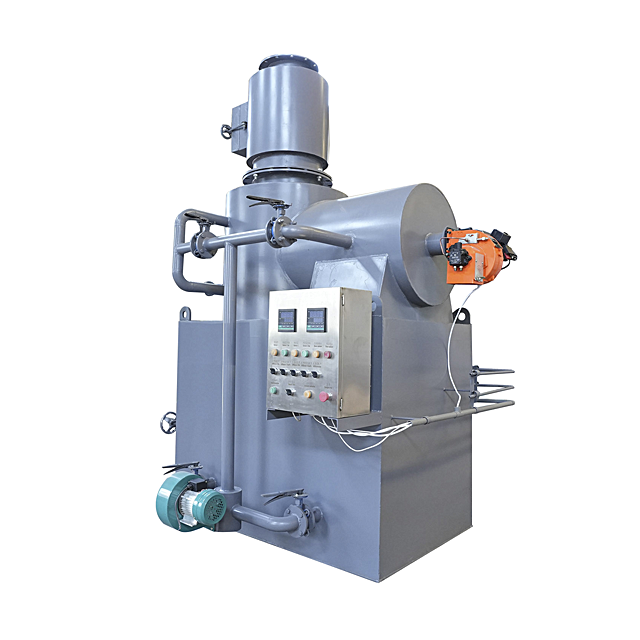
Incinerators in disaster zones must comply with international environmental standards. These regulations ensure that waste is disposed of in a way that minimizes harm to the environment and public health. Incineration processes need to meet strict guidelines for air quality, such as limiting emissions of harmful gases like dioxins, furans, and particulate matter. By adhering to these standards, incinerators help reduce the impact of waste disposal on the surrounding environment, particularly in sensitive areas like water sources and wildlife habitats.
To achieve this, many incinerators are equipped with advanced filtration and scrubber systems that capture pollutants before they are released into the atmosphere. These systems play a key role in reducing harmful emissions and ensuring compliance with global air quality regulations.
Incineration is a highly effective waste disposal method, but it also requires careful handling of hazardous materials. In disaster zones, incinerators often deal with a wide range of dangerous waste types, including chemicals, medical waste, and contaminated materials. Proper safety measures are essential to prevent accidents and ensure the safe destruction of these harmful substances.
● Medical Waste: Incinerators are designed to destroy medical waste, such as syringes, bandages, and PPE, which can carry infectious diseases. These materials must be burned at extremely high temperatures to ensure that pathogens are completely eradicated.
● Chemical Waste: Hazardous chemicals, including pesticides and industrial byproducts, may be present in disaster debris. Incinerators equipped with specialized systems can safely burn these materials, neutralizing their toxic properties and preventing environmental contamination.
● Waste Containment: Many incinerators feature airtight combustion chambers to prevent the escape of toxic fumes. This containment system ensures that harmful substances are contained within the incinerator until they are fully neutralized.
Ongoing monitoring and reporting are essential to ensure that incineration processes remain safe and environmentally compliant. During waste disposal operations, various parameters, such as temperature, emission levels, and combustion efficiency, are constantly monitored to ensure that the incinerator is functioning within acceptable limits.
● Emission Monitoring: Advanced sensors are used to monitor air quality in real-time. These sensors can detect the release of harmful gases and trigger automatic adjustments to the incinerator's operation, such as increasing temperature or adjusting the fuel mix.
● Regular Reporting: Operators are required to submit regular reports to local environmental agencies, detailing the waste disposed of, emissions levels, and any irregularities in the incineration process. This transparency helps ensure that the disposal process remains accountable and adheres to regulations.
These monitoring and reporting systems provide oversight, ensuring that incinerators are used safely in disaster zones while minimizing their environmental impact.
In disaster zones, infrastructure can be severely damaged, making waste management particularly difficult. Incinerators, while effective, often require resources and infrastructure that may be in short supply. These units need reliable power sources, fuel, and space to operate effectively.
In some cases, fuel availability is a major challenge, especially in remote areas. The transportation of fuel can be disrupted, and local supplies may be limited. Similarly, damaged roads and poor access can delay the delivery and setup of incinerators, preventing quick waste disposal when it is most needed.
Additionally, the availability of trained personnel to operate incinerators may be limited in disaster areas. Ensuring operators understand how to safely and efficiently use these machines is critical, as improper use could lead to environmental harm or inefficiency.
One of the key challenges in using incinerators for disaster waste is the variability of the debris. Waste can range from organic matter like fallen trees to hazardous materials such as chemicals, medical waste, and construction debris. Each type of waste requires different incineration conditions.
● Organic Waste: While it burns efficiently, the volume of organic debris in large-scale disasters can overwhelm the incinerators, requiring them to operate at full capacity for extended periods.
● Medical Waste: Incinerators must reach extremely high temperatures to safely destroy medical waste, and failure to do so can lead to harmful pathogens being released into the environment.
● Construction Debris: Materials like concrete, metals, and plastics may require longer incineration times or special handling to ensure that harmful emissions do not escape.
Each type of waste requires careful management, and having an incinerator that can handle these variations effectively is crucial.
Despite the advantages of incineration, public perception can be a significant barrier. Many people are concerned about the environmental impact of burning waste, particularly the release of dioxins, furans, and other harmful chemicals. These concerns often stem from misunderstandings about modern incineration technologies.
● Misconceptions: Older incinerators may have contributed to pollution in the past, but modern units are equipped with advanced filtration systems that significantly reduce emissions. Public awareness of these advancements is essential for overcoming fears about environmental damage.
● Health Concerns: In disaster zones, where the public may already be dealing with disease outbreaks and health issues, concerns about air quality and potential exposure to harmful emissions can create resistance to incineration.
Effective communication and transparent reporting on the emissions and safety measures of incinerators can help address these concerns and ensure public support for waste disposal efforts.
Challenge | Solution |
Limited infrastructure | Use mobile or containerized incinerators for flexibility. |
Fuel and resource constraints | Coordinate fuel supply chains in advance. |
Variability of waste types | Implement specialized incinerators for different waste categories. |
Public perception issues | Educate the public on modern incineration technology and safety standards. |
Tip: To address public concerns, it's important to provide real-time emission data and demonstrate the technology's environmental benefits. This transparency can build trust and ensure smooth waste management operations.
In disaster zones, the long-term recovery process often involves the removal of large amounts of debris and waste. Incinerators help by speeding up this process, allowing communities to clear affected areas faster and create safer living conditions. By disposing of organic matter, construction debris, and contaminated waste, incinerators help reduce the health risks associated with standing debris, such as the spread of disease and contamination of water sources.
Efficient waste disposal also enables the reconstruction of essential infrastructure like roads and buildings. Without the burden of large-scale waste, recovery teams can focus on rebuilding the community and restoring normalcy more quickly.
One significant advantage of incinerators is their ability to convert waste into energy. By utilizing the heat generated during waste incineration, some incinerators can produce electricity or provide hot water. This waste-to-energy capability can be crucial in disaster zones, where traditional power infrastructure may be damaged or unavailable.
● Power for Recovery: Incinerators can provide a renewable energy source, which can help power essential services like hospitals, emergency shelters, and water treatment plants. This can reduce reliance on temporary power solutions and contribute to long-term stability.
● Sustainability: Using waste as an energy source reduces the need for additional fuel supplies, making it a sustainable solution that supports ongoing recovery efforts. It also minimizes the environmental impact by utilizing waste that would otherwise end up in landfills or become a source of pollution.
Long-term waste management infrastructure plays a vital role in disaster-prone areas. By implementing incineration technologies, communities can build resilient systems that are prepared for future disasters.
● Permanent Waste Management Solutions: Establishing incineration facilities in disaster-prone regions ensures that waste is disposed of efficiently, even in the aftermath of future disasters. This infrastructure can be adapted to handle large volumes of waste during a crisis.
● Preventing Accumulation: With incinerators in place, communities can avoid the buildup of waste that can contribute to flooding, disease outbreaks, or environmental contamination. This helps maintain clean, safe environments as the community rebuilds.
Incinerators play a crucial role in disaster zones by rapidly reducing waste and minimizing health risks. They help communities clear debris, prevent contamination, and even generate energy. By offering mobile, flexible solutions, incinerators aid in fast recovery. Investing in these technologies ensures sustainable, long-term waste management. Companies like Xinjiye provide high-quality waste incinerators, offering durable and efficient solutions for disaster preparedness and recovery efforts.
A: An incinerator is a machine that burns waste at high temperatures, helping reduce waste volume and eliminate harmful materials in disaster zones.
A: Incinerators help clear debris quickly, minimize health risks, and prevent contamination, speeding up recovery efforts in affected areas.
A: Yes, some incinerators can convert waste into energy, providing essential power for recovery efforts in disaster zones.
A: Incinerators safely destroy hazardous waste, such as medical waste and chemicals, at high temperatures, ensuring environmental safety.


