


Views: 0 Author: Site Editor Publish Time: 2025-12-25 Origin: Site


When it comes to waste management, choosing the right fuel for an incinerator is crucial. But with so many options available, how do you know which one is best? The fuel you choose can greatly impact efficiency, cost, and environmental impact.
In this article, we’ll explore the different fuel options for incinerators, comparing their pros and cons. You’ll gain insights into how to select the best fuel for your specific incineration needs.
An incinerator is a facility designed to burn waste at high temperatures, converting it into ash, flue gas, and heat. This process significantly reduces the volume of waste, making it easier to manage and dispose of. Incinerators are commonly used in waste-to-energy systems, where the heat produced can be harnessed for energy generation.
The efficiency of an incinerator depends largely on the type of fuel used. The right fuel can ensure the incineration process is effective, cost-efficient, and environmentally friendly.

Incinerators come in several types, each with different fuel requirements. These include:
● Rotary Kilns: These incinerators are versatile and can handle a wide range of waste types, including hazardous materials. They require a steady and consistent fuel source to maintain high temperatures.
● Fluidized Bed Incinerators: These are often used for waste that contains high moisture content. The fuel must be able to burn consistently and at high efficiency to keep the bed fluidized.
● Grate-Fired Incinerators: These are commonly used in municipal waste management. They are efficient in burning solid waste and typically use waste-derived fuels like refuse-derived fuel (RDF).
The type of waste being processed plays a crucial role in determining the best fuel for an incinerator. For instance, hazardous waste requires a more controlled and stable fuel source to ensure complete combustion and minimize harmful emissions. On the other hand, municipal solid waste (MSW) may allow for a more flexible approach with a variety of fuel options.
Tip: When choosing fuel, always consider the type of waste you will be incinerating. A specific waste stream might require specialized fuel for optimal incineration.
Energy efficiency is a key factor in selecting fuel for an incinerator. Efficient fuels generate more energy per unit of material burned, reducing operating costs. Fossil fuels like coal and oil are energy-dense, but renewable fuels like biomass can offer a more sustainable energy source, though they may have lower energy density.
The environmental impact of fuel used in incinerators is a growing concern. Traditional fossil fuels like coal and oil release higher levels of carbon dioxide (CO2) and other pollutants. In contrast, renewable fuels such as biomass can significantly reduce greenhouse gas emissions, making them a more eco-friendly option.
Tip: Consider the long-term environmental impact of your fuel choice. Renewable fuels may offer both financial and environmental benefits over time.
Fuel Type | Advantages | Drawbacks |
Coal | High energy output, easy availability | High carbon emissions, non-renewable |
Oil | Stable heat source, reliable performance | High emissions, non-renewable |
Biomass | Renewable, carbon-neutral, sustainable | Lower energy density, quality variation |
Waste-derived Fuels | Reduces landfill waste, cost-effective | Inconsistent quality, additional processing required |
Coal and oil have long been the go-to fuels for incinerators, thanks to their high energy output and availability. These fuels provide a consistent and high heat source, essential for maintaining the high temperatures required for waste incineration.
However, both coal and oil come with significant environmental downsides. They are non-renewable resources and produce substantial CO2 emissions when burned.
● Advantages:
○ High energy output
○ Easy availability
○ Reliable performance
● Drawbacks:
○ High carbon emissions
○ Non-renewable
○ Environmental impact
Biomass is an organic fuel that includes wood chips, agricultural residues, and other plant-based materials. It is considered renewable and carbon-neutral, as the carbon dioxide released during combustion is offset by the carbon absorbed during the plant's growth.
● Advantages:
○ Renewable and carbon-neutral
○ Reduces reliance on fossil fuels
○ Can be sourced locally
● Drawbacks:
○ Lower energy density compared to coal and oil
○ Can be inconsistent in quality
○ Requires careful management to avoid deforestation
Waste-derived fuels, such as refuse-derived fuel (RDF) and solid recovered fuel (SRF), are produced from non-recyclable waste materials. These fuels can help reduce landfill waste and provide an alternative to traditional fossil fuels.
● Advantages:
○ Reduces landfill waste
○ Can be locally sourced
○ Lower cost compared to traditional fuels
● Drawbacks:
○ Inconsistent quality and calorific value
○ Requires additional processing before use
○ Potential for higher emissions depending on waste composition
Fuel Type | Energy Efficiency | Environmental Impact | Cost |
Coal | High | High emissions (CO2) | Low |
Biomass | Moderate | Low emissions (carbon-neutral) | Moderate |
Waste-derived Fuels | Varies | Lower emissions | Moderate |
Oil | High | High emissions (CO2) | Moderate |
● Coal: High energy output, but environmental concerns due to emissions.
● Biomass: Renewable and carbon-neutral, but with lower energy density.
● Oil: Provides a stable and consistent heat source, but has higher emissions and is non-renewable.
● Waste-derived Fuels: Help reduce landfill waste, but are less predictable in terms of energy output and emissions.
● Biomass: More sustainable and renewable, but may require careful sourcing and management.
● MSW: Offers a convenient way to use waste as fuel, but fuel quality can vary significantly.
Tip: For a more sustainable operation, consider switching to biomass or waste-derived fuels. They help reduce the environmental footprint and can often be sourced locally.
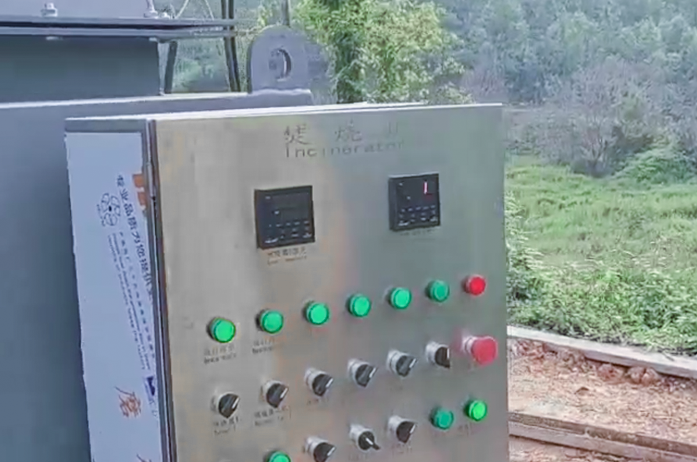
Modern incinerators are equipped with advanced technologies that improve fuel efficiency and reduce emissions. For example, air pollution control systems, such as scrubbers and electrostatic precipitators, can help minimize harmful emissions from traditional fuels.
Additionally, innovations in burner systems have allowed incinerators to burn alternative fuels more efficiently. These technologies are essential for ensuring that incinerators can meet increasingly strict environmental standards while maintaining high energy output.
The design of the burner system plays a significant role in adapting different fuel types to incineration. Advanced burners are capable of handling a range of fuel types, including biomass and waste-derived fuels. These systems adjust to ensure complete combustion, optimizing fuel use and minimizing emissions.
Looking ahead, the use of hydrogen and other clean fuels may become more common in incineration processes. Innovations in carbon capture and storage (CCS) technologies may also make it possible to continue using fossil fuels like coal and oil in a more environmentally responsible manner.
Industrial incinerators often burn large quantities of waste and require a high-energy fuel source. Traditional fuels like coal and oil are commonly used in these applications due to their high energy output. However, biomass is becoming more popular as industries look to reduce their environmental impact.
Municipal waste incinerators typically burn a mix of household waste, including plastics, paper, and organic matter. Waste-derived fuels, such as RDF and SRF, are often used in these incinerators, as they help reduce landfill waste while providing a reliable fuel source.
Choosing the right fuel for an incinerator is essential for efficiency and environmental impact. Traditional fuels like coal and oil provide high energy output but have environmental drawbacks. Alternative fuels such as biomass and waste-derived fuels offer more sustainable options, though they may have lower energy density. By selecting the appropriate fuel, businesses can optimize energy usage while reducing emissions. Zhucheng Xinjieye environmental protection limited company provides innovative solutions for incinerators, improving energy efficiency and supporting environmentally friendly waste management practices.
A: The best fuel for an incinerator depends on the type of waste being burned. Traditional fuels like coal and oil provide high energy output, while biomass and waste-derived fuels offer more sustainable, eco-friendly options.
A: Choosing the right fuel ensures efficient combustion, reduces emissions, and helps lower operating costs. It also aligns with environmental regulations, especially for industrial and municipal incinerators.
A: Yes, biomass is a renewable fuel source commonly used in incinerators. It is carbon-neutral, reduces landfill waste, and is an eco-friendly alternative to fossil fuels like coal and oil.
A: The fuel type affects both the combustion process and energy output. Efficient fuels like coal provide high energy density, while biomass may require more careful management due to its lower energy density.
A: The cost of alternative fuels like biomass or waste-derived fuels can vary. While they may be more expensive than traditional fuels, they can reduce waste disposal costs and offer long-term savings through lower emissions.
A: Waste-derived fuels, such as refuse-derived fuel (RDF), are made from non-recyclable waste materials. They help reduce landfill waste and provide a cost-effective fuel option for incinerators.
A: Yes, biomass is a renewable, carbon-neutral fuel that reduces the environmental impact of incineration. It helps lower greenhouse gas emissions compared to fossil fuels like coal and oil.


