


Views: 0 Author: Site Editor Publish Time: 2025-09-29 Origin: Site


Livestock waste is a byproduct of farming that poses significant challenges. Improper disposal can lead to severe environmental issues like water contamination and soil degradation. In this article, we will explore the various types of livestock waste and methods of disposal. You will learn about techniques such as incineration, composting, and anaerobic digestion to manage waste more sustainably.
Livestock waste refers to any byproduct generated from raising animals, including manure, bedding materials, wastewater, and infectious waste. These byproducts accumulate rapidly in farms, feedlots, and dairy operations, contributing significantly to agricultural waste volumes. Globally, livestock farming produces millions of tons of waste annually. Improperly managed, this waste can lead to significant environmental damage, including water contamination, air pollution, and degradation of agricultural land.
The scope of livestock waste encompasses a broad range of materials that vary by the type of livestock, farming method, and operational scale. It includes not only solid waste like manure and bedding but also liquid waste, wastewater from cleaning, and potentially hazardous waste from diseased animals.
| Type of Waste | Description | Environmental Impact |
|---|---|---|
| Manure | Animal excrement mixed with bedding materials like straw or sawdust. | Can enrich soil but may cause nutrient runoff if overapplied. |
| Bedding Materials | Materials like straw, sawdust, or wood chips used to absorb urine and feces. | Can accumulate and pose disposal challenges. |
| Wastewater | Water from cleaning animal pens, equipment, and feedlot runoff. | Can contain contaminants, requiring treatment before discharge. |
| Infectious Waste | Waste generated from diseased animals, including carcasses and contaminated bedding. | Can spread pathogens and requires special handling. |
The primary sources of livestock waste are:
Farms: Where animals such as cattle, pigs, and poultry are raised in confined or free-range settings.
Feedlots: Concentrated Animal Feeding Operations (CAFOs), where large numbers of livestock are raised in confined conditions. This leads to large volumes of waste produced in a short period.
Dairy Operations: Dairy farms generate large quantities of manure and wastewater as part of their daily operations.
These sources contribute to the volume and type of waste produced, with more intensive farming practices leading to larger waste generation. The density of animals and feeding habits are critical factors determining the waste output on a farm.
Improper management of livestock waste presents several environmental and health risks:
Water Contamination: Runoff from manure can contaminate local water sources, leading to eutrophication, which promotes the growth of algae that harms aquatic life.
Methane Emissions: When manure decomposes in anaerobic conditions (lack of oxygen), methane—a potent greenhouse gas—is released. This contributes significantly to climate change.
Soil Degradation: Excessive manure application can lead to nutrient imbalances in the soil, reducing its fertility and increasing the risk of nutrient runoff into water bodies.
Health risks also arise from improper waste handling, such as the transmission of zoonotic diseases (diseases transmitted from animals to humans) and contamination of air quality with ammonia or other harmful gases.
Manure is the most common and significant form of livestock waste. It consists of animal excrement mixed with bedding materials such as straw, sawdust, or wood chips. Manure comes in several forms:
Solid Manure: Composed of mainly animal waste and bedding material.
Liquid Manure: Primarily urine mixed with water and occasionally waste feed.
Slurry: A mixture of solid and liquid waste that is typically collected in large storage tanks or lagoons.
Manure is rich in essential nutrients, including nitrogen, phosphorus, and potassium, which can be beneficial to agricultural soil when managed properly. However, improper storage and application can lead to environmental damage, such as nutrient runoff into water systems.
Bedding materials like straw and sawdust help to absorb animal urine and feces, creating additional waste. Though the bedding material itself is not harmful, its accumulation can pose challenges for disposal and management. Additionally, wastewater generated from cleaning animal pens, washing equipment, and feedlot runoff adds to the waste generated by livestock operations. Wastewater contains a variety of contaminants, including organic matter, pathogens, and chemicals, which require treatment to avoid environmental harm.
Infectious waste is a particular concern on farms with animals that are ill or diseased. This waste includes:
Carcasses of Diseased Animals: Often require special disposal due to the risk of disease transmission.
Contaminated Bedding: Bedding from sick animals that may contain pathogens.
Waste from Diseased Animals: Fecal matter or other waste materials that may carry infectious agents.
Pathogens such as E. coli, Salmonella, and avian influenza can spread through improper handling of infectious waste. Effective pathogen management is crucial to prevent the spread of disease among animals and humans. Farms must adhere to specific protocols for managing infectious waste, which often includes incineration, burial, or rendering.
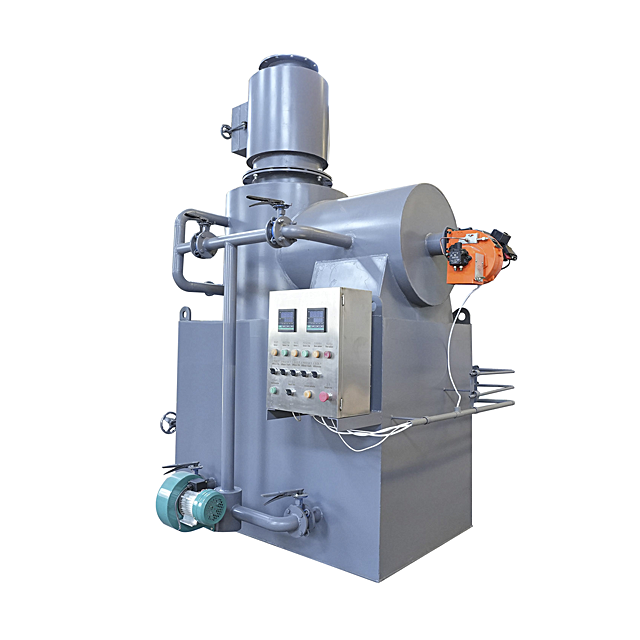
Incineration is the process of burning livestock waste at high temperatures, effectively destroying pathogens, toxins, and waste materials. It is particularly used for managing hazardous or infectious waste.
Benefits: Incineration reduces the volume of waste, kills harmful pathogens, and eliminates odors. It is a highly efficient method for treating infectious waste.
Limitations: Incineration consumes significant amounts of energy, and there are concerns about the release of harmful pollutants, including dioxins. Additionally, incinerators can be expensive to install and maintain.
Despite these limitations, incineration remains a key tool in managing hazardous livestock waste, especially in large-scale operations that produce significant amounts of infectious material. Using a waste incinerator provides a controlled way to destroy these harmful pathogens, making it an essential tool for farms handling large volumes of waste.
Composting involves the biological decomposition of organic materials, such as manure, under controlled aerobic conditions. This method transforms livestock waste into nutrient-rich compost, which can be used as organic fertilizer.
Benefits: Composting reduces the volume of waste, prevents methane emissions, and produces a valuable product for agriculture. It is an environmentally friendly option.
Requirements: Effective composting requires proper aeration, moisture, and temperature control. Ensuring that the composting process is well-maintained is critical to prevent odors and encourage efficient decomposition.
Composting is a sustainable alternative to incineration, especially for farms looking to reduce their carbon footprint and produce usable byproducts from waste.
Anaerobic digestion is a biological process that breaks down livestock waste in the absence of oxygen, producing biogas (primarily methane) as a byproduct. The digestate produced is a nutrient-rich material that can be used as a fertilizer.
Benefits: Anaerobic digestion reduces methane emissions, provides renewable energy, and generates a valuable fertilizer. This process can be a game-changer for farms, turning waste into a resource.
Limitations: Anaerobic digestion systems are costly to set up and require specialized equipment. Large-scale facilities can be a significant investment.
This method offers an opportunity for farms to manage their waste efficiently while producing renewable energy and reducing their carbon footprint.
Land application involves spreading manure on agricultural fields to return nutrients to the soil. It is a commonly used method for managing livestock waste and has several advantages:
Benefits: Manure enhances soil fertility, improves soil structure, and reduces the need for chemical fertilizers.
Risks: Improper application can lead to nutrient runoff, contamination of water sources, and unpleasant odors. Farmers must carefully manage the quantity and timing of manure applications to avoid these risks.
While beneficial, land application requires proper management to avoid negative environmental impacts.
Livestock farms generate significant amounts of wastewater, requiring treatment before being released into the environment. Common methods for wastewater treatment include:
Lagoons: Large, open ponds used to store and treat wastewater.
Filtration Systems: Used to remove solid particles and treat water for reuse or discharge.
Innovations: New technologies like membrane filtration and biofiltration are enhancing wastewater treatment efficiency.
Proper wastewater treatment is essential for minimizing the environmental impact of livestock farming operations.
| Method | Benefits | Limitations |
|---|---|---|
| Incineration | Reduces waste volume, kills pathogens, eliminates odors | High energy consumption, costly installation |
| Composting | Produces fertilizer, reduces methane emissions | Requires proper aeration and moisture control |
| Anaerobic Digestion | Produces renewable energy, reduces methane emissions | Requires significant investment and specialized equipment |
| Land Application | Enhances soil fertility, reduces chemical fertilizers | Risk of nutrient runoff and water contamination |
| Wastewater Treatment | Reduces environmental impact, reuses water | Requires continuous monitoring and innovation |
Government bodies, such as the Environmental Protection Agency (EPA) in the United States and the European Union, enforce regulations to manage livestock waste and its environmental impact. These regulations aim to:
Limit nutrient runoff from farms to prevent water contamination.
Reduce methane emissions from manure decomposition.
Control pathogen contamination by enforcing proper waste management protocols.
Tip:These regulations are vital to ensuring that livestock farming operates within environmental limits and adheres to best practices for waste management.
Farmers and agricultural businesses can implement the following best practices to improve livestock waste management:
Waste Segregation: Properly separate solid, liquid, and infectious waste to prevent cross-contamination.
Monitoring and Audits: Regularly assess waste management practices to ensure compliance with regulations.
Innovative Solutions: Invest in alternatives like composting or anaerobic digestion to manage waste sustainably.
Adopting these practices can help reduce the environmental impact of livestock operations and improve farm productivity.
New technologies are continuously being developed to improve the efficiency of livestock waste management. Innovations like biofilters, which use microorganisms to treat air pollutants, and membrane filtration systems for wastewater, are leading the way in waste treatment advancements. These technologies offer more sustainable solutions to handle livestock waste effectively.
A circular economy approach encourages the conversion of livestock waste into valuable products, such as biogas, compost, or industrial materials. This model reduces waste by transforming it into resources that can be used again, minimizing the environmental footprint of livestock farming.
Effective livestock waste management is crucial for protecting the environment and public health. Techniques such as incineration, composting, and anaerobic digestion help farms manage waste efficiently and reduce environmental harm. Sustainable waste disposal practices and regulatory compliance ensure the long-term viability of livestock farming.
At XJY, we offer Waste Incineration Technology that enhance waste management efficiency, providing valuable products that support sustainable farming practices and regulatory adherence.
A: Livestock waste refers to byproducts from animal farming, such as manure, bedding materials, wastewater, and infectious waste. Proper management is essential to prevent environmental and health issues.
A: Incineration involves burning livestock waste at high temperatures, effectively reducing its volume, killing pathogens, and eliminating odors. It is commonly used for hazardous or infectious waste.
A: Proper management of livestock waste is crucial for protecting water sources, reducing greenhouse gas emissions, and preventing soil degradation.
A: Composting transforms manure into nutrient-rich fertilizer, reduces waste volume, and helps prevent methane emissions, making it an environmentally sustainable option.
A: Anaerobic digestion breaks down livestock waste without oxygen, producing biogas that can be used for energy while also generating valuable fertilizer.


