


Views: 0 Author: Site Editor Publish Time: 2025-09-29 Origin: Site


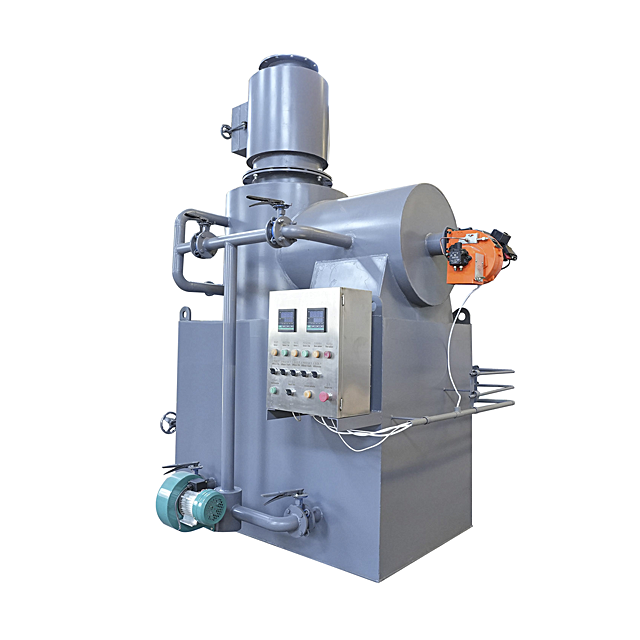
Incineration is a popular method for waste disposal and energy recovery. But what happens to the waste after it's burned? The process produces residual materials, primarily in the form of ash. These by-products can be useful or harmful, depending on how they are managed.
In this article, we will explore what remains after incineration, focusing on the types of residuals and how they can be properly handled. You'll learn about the importance of managing incineration by-products for a sustainable future.
Incineration is a process in which waste is burned at very high temperatures, typically ranging from 850°C to 1100°C. This process reduces the waste by about 90% in volume and approximately 75% in weight. The high temperatures break down the organic materials in the waste, turning them into gases such as carbon dioxide and water vapor, which are then filtered through various air pollution control systems. The remaining materials are generally solid residues, which are classified as either bottom ash or fly ash (also known as air pollution control (APC) ash).
Incineration is often used for waste types such as municipal solid waste, industrial waste, medical waste, and some types of hazardous waste. The process is also a form of waste-to-energy (WTE), in which the energy produced from burning waste is used to generate steam for electricity or heating. While the incineration process provides an efficient way to manage waste, the by-products must be handled carefully to avoid environmental contamination.
Types of waste typically incinerated:
l Household waste
l Medical waste
l Industrial waste (non-recyclable)
l Hazardous waste
The process not only generates heat but can also help reduce the overall volume of waste that ends up in landfills, thus alleviating pressure on waste disposal systems.
Once the incineration process is complete, the remaining materials are generally classified into two main categories:
1. Incinerator Bottom Ash (IBA): This is the solid residue that remains at the bottom of the incinerator. It consists of materials that did not combust during the incineration process, including metals, glass, ceramics, and stones.
2. Air Pollution Control (APC) Ash: Also known as fly ash, this material is produced as a by-product of the flue gases generated during combustion. APC ash is made up of fine particles that are carried away from the combustion chamber in the exhaust gases and need to be captured by pollution control systems.
Both of these residuals can vary in composition depending on the type of waste being incinerated, and their management requires careful consideration to minimize environmental risks.
One of the significant advantages of incineration is the ability to significantly reduce the volume of waste. On average, waste can be reduced to only 3-10% of its original volume after incineration. This reduction in volume is particularly beneficial in areas with limited landfill space. Incineration also provides an energy-efficient solution, as the heat produced during the process can be harnessed for power generation or heating, further reducing reliance on fossil fuels.
In addition to waste volume reduction, incineration can contribute to carbon footprint reduction. By burning waste and converting it into usable energy, we lower the need for traditional waste management methods like landfilling, which can lead to methane emissions. While there are still concerns regarding emissions from incinerators, advanced filtration and scrubber systems can reduce the release of harmful pollutants.
However, the residual materials left after incineration must be properly managed to ensure that the process remains as sustainable as possible. Failure to do so can lead to the contamination of land and water sources.
Incinerator Bottom Ash (IBA) is the coarse, solid material that remains after the incineration process. It consists of a variety of non-combustible materials that did not burn in the high temperatures of the incinerator. The composition of IBA can vary depending on the type of waste being burned, but typically includes:
l Metals: Steel, aluminum, copper, and other metals that don’t burn during incineration.
l Glass and Ceramics: These materials are inert and do not combust, so they remain as part of the ash.
l Mineral Matter: Stones, soil, and other non-combustible items.
One of the most significant benefits of IBA is its potential for recycling and reuse. Through processes like magnetic separation, metals can be extracted from the ash, reducing the need for virgin metal production. IBA can also be used as a construction material, including in road paving, bulk fill for construction, and as a component in cement production.
Common applications for IBA:
l Road Construction: IBA can be used as a substitute for gravel or other aggregate materials in road paving and construction.
l Concrete Production: In some cases, IBA is used in the production of concrete, where it serves as an alternative to traditional fillers.
l Landscaping: IBA can be used in landscaping for soil stabilization or as filler in embankments.
The recycling of IBA not only conserves natural resources but also helps mitigate the environmental impact of mining and the extraction of raw materials.
Air Pollution Control (APC) Ash is the fine, powdery substance that is collected by air pollution control devices during the incineration process. It originates from the gases produced during the burning of waste, which contain harmful substances such as sulfur, chlorine, and heavy metals. To prevent these substances from entering the atmosphere, APC ash is filtered through scrubbers, electrostatic precipitators, or fabric filters that trap the particulates.
APC ash may contain hazardous elements such as:
l Heavy metals: Lead, cadmium, mercury, and others that can leach into the soil and water if not properly managed.
l Acidic compounds: Sulfur dioxide (SO2), chlorine, and dioxins, which can contribute to air pollution.
l Persistent Organic Pollutants (POPs): Dioxins and furans, which are highly toxic and carcinogenic.
Given the potential dangers of APC ash, its management requires advanced techniques to neutralize or remove harmful substances. Lime stabilization and activated carbon injection are commonly used methods to capture and neutralize contaminants in the ash before it is disposed of or reused.
Processed APC ash has some potential for reuse, particularly in the construction industry. It can be incorporated into concrete or asphalt but requires careful monitoring and treatment to ensure that it does not release toxic substances into the environment.
Note: Proper handling and disposal of APC ash are critical to avoid environmental contamination. Landfilling of untreated APC ash can result in leaching of heavy metals into groundwater.
Pre-sorting waste before incineration can significantly improve the efficiency of the process and the quality of the residual materials. Sorting helps to eliminate hazardous or non-combustible materials, such as metals, plastics, or chemicals, from the waste stream. This step not only enhances the incineration process but also minimizes the production of harmful by-products.
1. Cleaner Residuals: By removing metals, glass, and hazardous substances before incineration, the resulting bottom ash is cleaner and more suitable for recycling.
2. Reduced Pollution: Hazardous materials such as medical waste, batteries, and electronics, if not sorted out beforehand, can release toxic substances into the air or leave harmful residues in the ash.
3. Improved Energy Recovery: By reducing the amount of non-combustible waste in the incinerator, the combustion process becomes more efficient, leading to better energy recovery and fewer emissions.
When waste is pre-sorted, incineration results in bottom ash that is cleaner, with fewer contaminants. This has a direct impact on the recyclability of the ash and its potential to be reused in construction or other industries. For example, by removing metals, plastics, and hazardous materials, the quality of IBA improves, allowing it to be used in more applications.
Challenges in Sorting:
l Medical Waste: Items such as syringes or pharmaceuticals may require special treatment to ensure they do not contaminate the ash.
l E-Waste: Electronics contain harmful chemicals like mercury and should be handled separately to avoid contamination.
Tip: Pre-sorting waste is essential to ensure that incineration produces clean and reusable ash, while also minimizing environmental impact.
After incineration, the ash must be processed to extract valuable materials. This process typically involves the use of methods like:
l Magnetic Separation: Used to recover ferrous metals such as steel and iron from the ash.
l Eddy Current Separation: This method helps separate non-ferrous metals such as aluminum and copper from the ash.
l Screening: Fine particles of ash are screened to remove smaller debris and contaminants.
By recovering metals and other recyclable materials, the economic value of the incineration process is enhanced, reducing the need for virgin materials and conserving resources.
Processed incinerator ash has various applications in industries like construction, agriculture, and road paving. Some key uses include:
l Bulk Fill: IBA can be used as fill material in construction projects, reducing the need for excavated soil or other natural aggregates.
l Concrete: Ash, especially processed IBA, can be used in concrete production, where it acts as an alternative to traditional aggregates or sand.
l Road Paving: Processed ash can be used in asphalt or as an aggregate in road construction.
l Fertilizer: Ash from the incineration of organic waste may contain nutrients that can be used as a fertilizer in agriculture.
By repurposing incineration ash, we reduce the amount of waste sent to landfills and contribute to a circular economy.
Improper disposal of incineration ash can lead to contamination of soil and water. Heavy metals like lead, mercury, and cadmium can leach into the environment if ash is not disposed of properly. This is especially problematic for APC ash, which can contain harmful substances like dioxins and furans.
To mitigate these risks, it is essential to follow best practices for the disposal of incinerator by-products:
l Secure Landfills: Use landfills designed to contain leachate and prevent contamination.
l Stabilization Techniques: Treat ash with stabilizing agents, such as lime or cement, to reduce the leaching of contaminants.
Note: Safe disposal of hazardous ash is critical to avoid long-term environmental damage.
Advancements in technology are helping to improve the management of incineration residuals. New waste-to-energy systems are being developed to increase efficiency, and innovations in ash recycling technologies are making it easier to reuse the by-products of incineration.
Emerging trends include:
l Better air filtration systems to capture fine particulates from incineration.
l Advanced recycling processes that enable better recovery of metals and other materials from IBA.
l Innovative treatments for APC ash to neutralize or capture harmful substances before disposal.
The transition towards a circular economy is key to improving the sustainability of incineration. This approach encourages the reuse and recycling of by-products, turning what would otherwise be waste into valuable resources. By incorporating incineration residuals into construction and agriculture, we can close the loop on waste management and reduce the demand for new raw materials.
Tip: The circular economy model is an excellent framework for maximizing the value of incineration by-products while minimizing waste.
Incineration is vital for waste management, particularly in areas with limited landfill space. While it reduces waste and generates energy, it produces residuals like incinerator bottom ash (IBA) and air pollution control (APC) ash. These by-products require careful management. Pre-sorting waste, recycling materials, and adopting sustainable disposal practices ensure incineration remains eco-friendly. Advances in technology help repurpose these residuals, contributing to a circular economy.
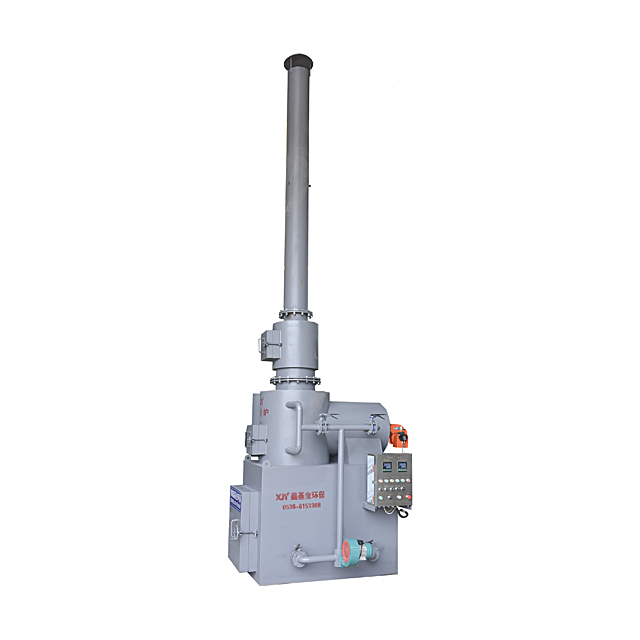
Zhucheng Xinjiye Environmental Protection Equipment Co., Ltd. offers advanced waste incinerators that efficiently handle waste while minimizing environmental impact. Their products support sustainable waste management practices.
A: After incineration, the primary residual materials are incinerator bottom ash (IBA) and air pollution control (APC) ash. These by-products require careful management to ensure minimal environmental impact.
A: Incineration significantly reduces waste volume by converting it into ash, reducing the need for landfill space. This helps manage waste more effectively, especially in areas with limited landfill options.
A: Yes, both incinerator bottom ash (IBA) and air pollution control (APC) ash can be processed and repurposed for uses like road paving, concrete production, and even fertilizers, contributing to sustainable practices.
A: Pre-sorting waste ensures that non-combustible materials, metals, and hazardous substances are removed, improving the quality of the remaining ash and minimizing contaminants in the incineration process.
A: Incineration, when combined with effective recycling of residual materials, supports a circular economy by repurposing ash and reducing waste sent to landfills, promoting sustainable resource use.
A: The two main types of ash produced during incineration are incinerator bottom ash (IBA) and air pollution control (APC) ash. IBA contains materials like metal and glass, while APC ash is primarily derived from smoke and fumes.


