


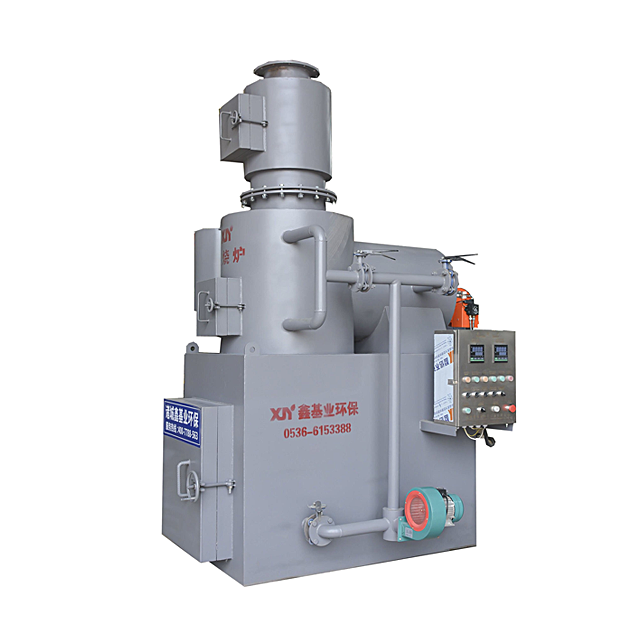
As waste management challenges continue to grow, incineration has become a prominent solution. But what exactly is this technology, and how does it help manage waste?
In this article, we'll explore how incineration works, its benefits, and the environmental concerns associated with it. You'll also learn about its role in sustainable waste management and energy production.
At its core, incineration is a waste treatment process that uses high temperatures to decompose waste material. Typically, the waste is burned in a specialized furnace or combustion chamber at temperatures between 800°C and 1,200°C (1,472°F and 2,192°F).
The incineration process reduces the waste volume by up to 90%, converting it into useful by-products like ash, heat, and gas. The heat generated during this process can be captured and used to produce electricity or steam, making it an energy-efficient solution. The high temperatures also break down harmful substances in the waste, though emissions control systems are necessary to manage any potentially harmful outputs.
An incinerator is a complex system with several components that work together to safely and effectively burn waste. The key parts of an incinerator include:
l Furnace/Combustion Chamber: This is where the waste is introduced and burned. It's designed to reach high temperatures necessary for efficient combustion.
l Air Supply System: Oxygen is required for combustion. An air supply system ensures that enough air is present to fuel the burning process.
l Energy Recovery System: The heat produced by the incineration process can be captured and used to generate energy, typically in the form of steam, which can then be converted into electricity.
l Emission Control: Modern incinerators are equipped with filters and scrubbers to reduce harmful emissions, such as nitrogen oxides (NOx), sulfur dioxide (SO2), and particulate matter.
These components work together to ensure that the incineration process is efficient, safe, and capable of minimizing harmful environmental effects.
Not all types of waste are ideal candidates for incineration. The process works best with certain materials that are combustible and relatively easy to break down at high temperatures. The most common types of waste suitable for incineration include:
l Municipal Solid Waste (MSW): General household waste, including paper, plastic, and food waste.
l Hazardous Waste: Some hazardous materials, including certain chemicals, can be destroyed through incineration.
l Medical Waste: Waste from hospitals and clinics, such as syringes and contaminated materials.
However, materials like heavy metals, PVC plastics, and certain chemicals may produce harmful by-products when incinerated and are better suited for other disposal methods.
One of the key advantages of incineration is that it is a waste-to-energy (WTE) technology. This means it not only reduces the volume of waste but also generates energy that can be used for electricity or heating.
When waste is burned at high temperatures, the chemical energy contained in the materials is released as heat. This heat can be converted into steam, which can then drive turbines to generate electricity. In some systems, the energy is used directly for district heating, providing warmth to nearby buildings or industrial processes.
This dual-purpose function of incineration—waste reduction and energy recovery—makes it a valuable option for many municipalities and industries looking to manage waste while addressing energy demands.
The benefits of incineration extend far beyond just waste reduction. Here are some of the key advantages:
1. Volume Reduction: Incineration reduces waste volume by up to 90%, which can be particularly helpful in areas with limited landfill space.
2. Energy Generation: The energy recovery aspect of incineration helps in addressing energy demands by generating electricity or providing district heating.
3. Reduced Landfill Use: By burning waste instead of landfilling it, incineration helps divert significant amounts of waste from landfills, which are becoming increasingly overcrowded.
4. Prevention of Methane Emissions: Unlike landfills, which emit methane—a potent greenhouse gas—incineration eliminates the potential for methane release from decomposing organic matter.
In regions where landfill space is limited or where waste management is a challenge, incineration can play an important role in sustainable energy production. Countries like Sweden, Japan, and Germany have embraced waste-to-energy technologies to contribute to their green energy goals. These countries use incineration plants not only to handle waste but also to generate power in a way that supports sustainability efforts.
By generating energy from waste, incineration reduces the need for fossil fuels, helping to decrease carbon emissions. When coupled with advanced emission control technologies, it can provide a cleaner alternative to traditional waste disposal and energy generation methods.
Despite its many benefits, incineration does come with environmental concerns. The primary issue lies in the emissions produced during the burning of waste. These emissions include:
l Carbon Dioxide (CO2): The combustion of organic materials releases CO2, a greenhouse gas that contributes to climate change.
l Nitrogen Oxides (NOx): These gases are produced during combustion and can contribute to air pollution, including smog and acid rain.
l Dioxins and Furans: These are toxic by-products of burning certain materials, particularly plastics, and can be harmful to both human health and the environment.
However, modern incinerators are equipped with advanced emissions control systems that help capture and neutralize harmful substances. Techniques such as flue gas cleaning and filtering systems can significantly reduce the impact of these pollutants.
One by-product of incineration is ash, which results from the burning process. This ash must be carefully managed, as it can contain harmful substances like heavy metals and other toxins. The disposal methods for incinerator ash include:
l Landfilling: While this is often a last resort, some incinerator ash is still disposed of in landfills, though these landfills must be designed to safely contain hazardous substances.
l Recycling: Some types of ash can be treated and reused in construction, particularly as an aggregate material for roads or concrete.
Ash management remains a critical concern, and ongoing research is focused on improving the recycling and disposal methods to minimize environmental risks.
Communities living near incineration plants are often concerned about the potential health risks associated with emissions. Studies have shown that long-term exposure to pollutants such as dioxins, particulate matter, and nitrogen oxides can lead to respiratory issues, cardiovascular diseases, and, in extreme cases, cancer.
While modern incineration plants have advanced filtration and monitoring systems to mitigate these risks, ensuring that plants are located in appropriate areas with adequate safety measures is crucial for minimizing negative health impacts.
When it comes to waste disposal, landfilling is still one of the most commonly used methods. However, incineration offers some clear advantages:
l Waste Reduction: Incineration can reduce waste volume by up to 90%, whereas landfills only compress the waste, leading to long-term land usage issues.
l Energy Recovery: Incineration generates energy, while landfills do not.
l Environmental Impact: While both methods contribute to environmental pollution, landfills generate methane, which is more harmful in terms of global warming potential than the CO2 released by incinerators.
However, landfills are often cheaper to build and operate, making them a more financially viable option for many municipalities, especially in regions with low waste volumes.
Recycling is often seen as the more environmentally friendly waste management option. But how does it compare to incineration? Here’s how they stack up:
l Waste Reduction: Recycling involves sorting and reusing materials, preventing waste from entering the waste stream. Incineration, on the other hand, reduces the overall waste volume but destroys materials that could otherwise be reused.
l Energy Generation: Incineration has the advantage of converting waste into energy, which recycling does not.
l Environmental Impact: Recycling reduces the need for raw materials and the energy-intensive processes required for manufacturing. However, incineration, with advanced emission control technologies, offers an alternative to landfill use.
Gasification and pyrolysis are alternative technologies that, like incineration, convert waste into useful energy. However, there are key differences:
l Gasification: This process uses oxygen and heat to convert waste into syngas, which can be burned for energy. Unlike incineration, gasification occurs at lower temperatures and produces fewer emissions.
l Pyrolysis: In pyrolysis, waste is heated in the absence of oxygen, breaking it down into oil, gas, and solid residue. This process generates fewer harmful emissions than traditional incineration.
These alternative technologies are still evolving and may offer cleaner alternatives, though they have not yet reached the same scale of implementation as incineration.
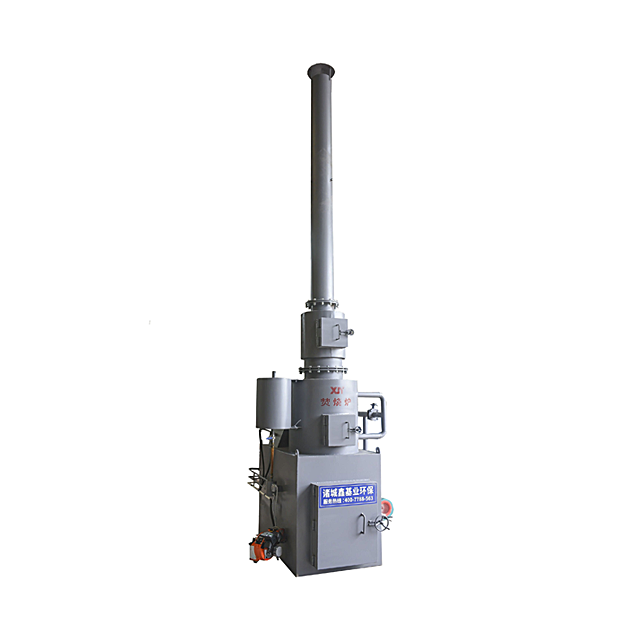
Building and operating an incineration facility can be a substantial investment. The costs involved include:
l Construction and Design: Establishing a waste-to-energy plant can cost millions of dollars, depending on its size and technology.
l Operational Costs: Ongoing expenses include staffing, maintenance, and waste management logistics.
Despite the high upfront costs, incineration can be financially beneficial in the long term due to energy generation and the reduction of landfill costs.
Is incineration a cost-effective solution for waste management? For municipalities with high waste volumes, incineration can be a financially viable option. However, it is most effective when combined with energy recovery systems, reducing reliance on fossil fuels and contributing to the economy.
Tip: Consider the long-term savings from reduced landfill usage and energy production when evaluating the financial feasibility of incineration.
Many governments incentivize incineration through subsidies, grants, or favorable legislation aimed at reducing landfill use and promoting waste-to-energy solutions. These incentives can make incineration a more attractive option for local governments.
Innovations in incineration are focused on improving efficiency, reducing emissions, and enhancing energy recovery. Newer technologies include more advanced filtration systems, better combustion techniques, and the use of AI for real-time monitoring.
As the world shifts toward more sustainable waste management practices, will incineration remain a key player? While concerns about pollution persist, its ability to reduce waste and generate energy ensures that it will continue to be relevant in many waste management strategies.
The rise of the circular economy challenges traditional waste disposal methods. While incineration plays a part, recycling, reuse, and waste minimization practices are gaining prominence. Incineration may have to adapt to these trends to remain competitive in the future.
Incineration remains a key technology in waste management, offering waste reduction and energy recovery. Despite environmental and health concerns, advancements in technology are improving its efficiency and reducing negative impacts. As urban areas face space limitations, incineration will continue to play a vital role. Companies like Zhucheng Xinjiye Environmental Protection Equipment Co., Ltd. provide innovative waste incinerators that help communities integrate this technology effectively into their waste management strategies.
A: Incineration is the process of burning waste materials at high temperatures to reduce their volume and convert them into ash, gas, and energy.
A: Incineration involves burning waste in a furnace where high temperatures break down the material, producing heat that can be used for energy recovery.
A: Incineration reduces the volume of waste, recovers energy, and helps manage waste effectively, particularly in areas with limited landfill space.
A: While incineration can cause emissions like CO2 and dioxins, modern technologies help minimize these impacts, making the process more environmentally friendly.
A: Organic waste, plastics, and certain medical or hazardous materials are commonly incinerated, as they can be safely burned at high temperatures.
A: Unlike landfilling, which takes up space, incineration reduces waste volume and generates energy, offering a more sustainable solution in urban areas.


