


Views: 0 Author: Site Editor Publish Time: 2025-10-13 Origin: Site


Abattoir waste is an unavoidable by-product of slaughterhouse operations. It includes solid, liquid, and gaseous materials created during meat processing. Properly managing this waste is critical for environmental and public health. Without effective management, waste can contaminate air, water, and soil, posing health risks.
In this article, we’ll explore the types of abattoir waste and the importance of managing it effectively. You'll learn about methods like incineration and how waste incinerators play a vital role in maintaining sustainability and compliance.
Abattoir waste is typically categorized into three primary types: solid, liquid, and gaseous. Each type presents unique challenges and requires specific handling methods.
Solid waste consists of materials that are either unsuitable for consumption or are by-products of animal slaughter. These include:
Bones, Offal, and Hides: These are often inedible but can be repurposed for other uses. For example, bones and offal can be rendered into animal feed or fertilizers, while hides can be processed into leather products.
Condemned Meat: Meat that is deemed unsafe for human consumption must be disposed of safely to avoid public health risks.
Blood: While potentially harmful, blood can be processed into valuable products like blood meal, which is a high-protein fertilizer used in agriculture.
Disposal and Reuse:
Rendering: The process of converting solid waste like bones and fat into useful products, such as animal feed or biodiesel. Rendering helps eliminate pathogens, making it a safe option for certain types of waste.
Composting: Organic materials like manure and stomach contents can be composted into nutrient-rich fertilizers. Composting reduces waste volume and improves soil quality, making it an environmentally friendly solution.
Liquid waste includes materials such as:
Blood: Collected during slaughter and must be processed before disposal to prevent contamination.
Water from Cleaning Processes: Used for sanitation but can carry high levels of organic matter, posing environmental risks.
Urine and Effluents: These liquid wastes can be harmful to both public health and the environment if improperly handled.
Treatment Methods:
Wastewater Treatment: Involves removing harmful pollutants and pathogens before discharging into water bodies. Treatment typically involves multiple stages, including filtration, sedimentation, and biological processes.
Anaerobic Digestion: This method breaks down organic waste in the absence of oxygen, producing biogas (mainly methane) that can be used as a renewable energy source. Anaerobic digestion is particularly effective for treating blood and wastewater, as it reduces the environmental impact and provides an energy resource.
Gaseous waste includes:
Odors: From decomposing organic matter and waste materials. These can create a nuisance in surrounding communities.
Emissions: From waste treatment processes, such as methane and ammonia, which contribute to air pollution and greenhouse gas emissions.
Management:
Ventilation Systems: To control and direct odors away from communities. Proper ventilation reduces the impact of odors and helps maintain air quality.
Gas Capture: Methane and ammonia emissions can be captured and used for energy generation, reducing their environmental impact and turning waste into a valuable resource.
Abattoir waste, if not properly managed, can have serious consequences for both the environment and public health.
Untreated wastewater from abattoirs can contain high levels of organic matter, nitrogen, and phosphorus. When released into water bodies, this effluent can cause eutrophication, leading to oxygen depletion and harming aquatic ecosystems.
Impact: Contaminated water can lead to the death of fish and other aquatic life. Moreover, waterborne pathogens can pose a risk to human health if they contaminate drinking water sources.
Abattoir waste can contaminate soil with heavy metals, pathogens, and other harmful substances. Improper disposal leads to the accumulation of these substances in the soil, which can hinder plant growth and damage soil fertility.
Impact: Heavy metals from waste, like mercury and cadmium, can enter the food chain, affecting both plant and animal health, and ultimately human consumers. The presence of pathogens in soil can also lead to the spread of diseases through crops.
Decomposing organic waste produces methane, ammonia, and other greenhouse gases. These emissions contribute to climate change and cause air quality problems in surrounding areas.
Impact: Methane is a potent greenhouse gas, contributing significantly to global warming. Ammonia, when released into the atmosphere, can form particulate matter, contributing to air pollution and respiratory issues in nearby communities.
Abattoir waste is often contaminated with harmful pathogens such as bacteria, viruses, and parasites. If not managed properly, these pathogens can spread diseases like salmonella, E. coli, and avian flu.
Impact: Public health risks increase when untreated waste contaminates water, soil, or food. Pathogens can be transmitted through improperly handled waste materials, making waste management a critical aspect of public health protection.
| Impact | Effect |
|---|---|
| Water Pollution | Contaminates water bodies with organic matter and pathogens, leading to eutrophication and ecosystem harm. |
| Soil Contamination | Heavy metals and pathogens in waste can degrade soil quality, impacting agriculture and food safety. |
| Air Pollution | Methane and ammonia emissions contribute to greenhouse gases and air quality issues. |
| Health Risks | Pathogens in waste can lead to diseases like salmonella, E. coli, and avian flu, affecting public health. |
Efficient waste management in slaughterhouses requires a multi-faceted approach. This includes waste segregation, treatment, and disposal, all of which are essential to reducing the environmental impact.
One of the first steps in managing abattoir waste is separating the different types of waste at the source. Solid, liquid, and gaseous wastes must be kept separate to facilitate proper treatment and minimize cross-contamination. Proper waste segregation helps ensure that each type of waste is handled appropriately, maximizing the efficiency of treatment processes.
Rendering involves heating animal by-products at high temperatures to separate fat from water and other components. This process produces valuable products like animal feed, biodiesel, and even soap. Rendering helps eliminate pathogens, making it a safe option for certain types of waste.
Anaerobic digestion is a process that breaks down organic waste in the absence of oxygen, producing biogas as a by-product. This method is particularly effective for waste such as blood and wastewater, as it turns these materials into renewable energy, reducing reliance on fossil fuels and contributing to the circular economy.
Composting is an environmentally friendly way to process organic waste. Manure and stomach contents can be turned into nutrient-rich compost that enhances soil health. By transforming waste into valuable soil amendments, composting supports sustainable agricultural practices.
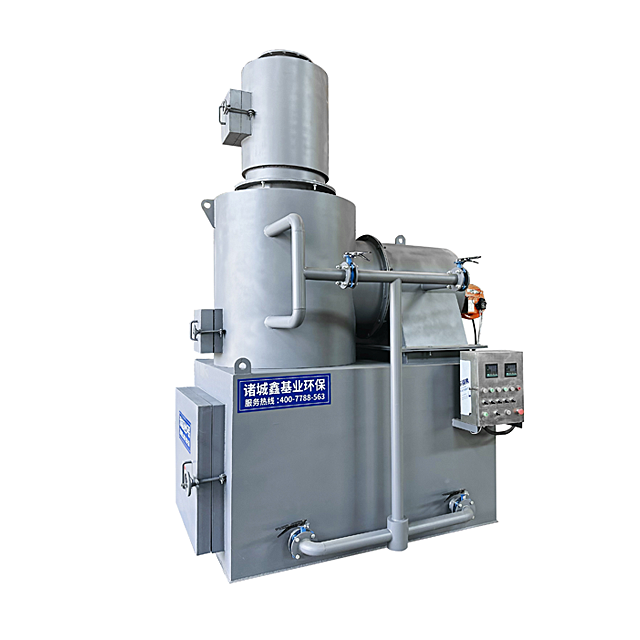
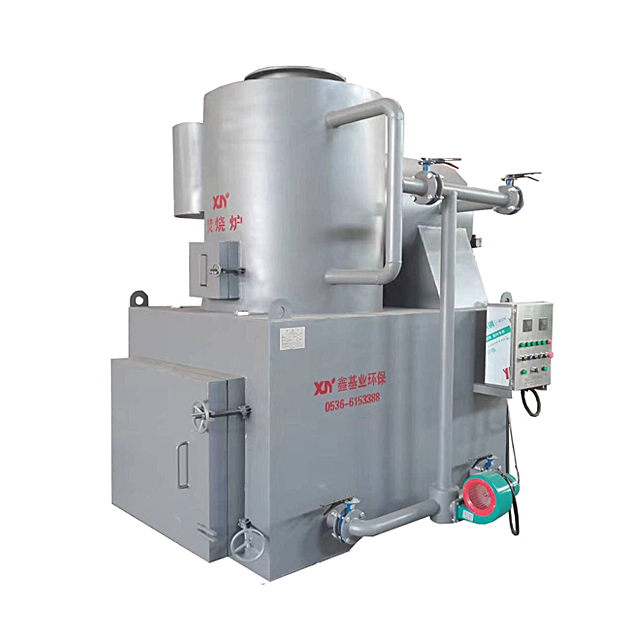
Incineration involves burning waste at high temperatures to reduce its volume and eliminate pathogens. This method is especially useful for condemned materials or waste that cannot be processed through rendering or composting. Incineration not only destroys harmful substances but also reduces the risk of disease transmission.
While landfilling is a common disposal method, it is not environmentally ideal due to the risks of leachate contamination and methane emissions. Landfills can contaminate soil and water, contributing to long-term environmental degradation.
Waste valorisation involves converting waste into valuable products, such as biogas, animal feed, or even collagen. Valorising waste can help reduce landfill use, create economic value, and support the development of a green economy.
Incineration plays a critical role in managing certain types of abattoir waste. It provides several benefits, particularly when dealing with waste that cannot be composted or rendered.
Incineration helps reduce waste volume by converting solid materials into ash and gases. The high temperatures destroy pathogens, reducing the risk of disease transmission. Furthermore, incineration significantly reduces the amount of waste that needs to be transported or landfilled, minimizing environmental impact.
Modern incinerators are designed to handle high-temperature requirements necessary for safely disposing of abattoir waste. These incinerators comply with the latest regulations, including the EU Animal By-Products Regulation (ABPR). They provide a safe, efficient, and environmentally friendly method for managing waste that cannot be processed by other means.
Innovations in incineration technology are focused on increasing energy efficiency and reducing emissions. Emerging technologies allow for the capture and use of the heat generated during incineration, further reducing the carbon footprint of waste management operations. These advancements will likely improve waste disposal efficiency in slaughterhouses while contributing to the development of sustainable energy solutions.
Abattoir waste management is essential for reducing environmental and health impacts. By understanding the waste types and using methods like rendering, composting, and incineration, slaughterhouses can lessen their environmental footprint. Stricter regulations and technological advancements are driving sustainability in the industry. Slaughterhouses should adopt comprehensive waste management strategies. XJY offers efficient incinerators and waste-to-energy solutions that help reduce waste and create valuable by-products, benefiting both the environment and the business.
A: Abattoir waste refers to the solid, liquid, and gaseous by-products generated in slaughterhouses, including bones, blood, wastewater, and odors.
A: Abattoir waste is managed through methods like rendering, composting, anaerobic digestion, and incineration to reduce its environmental impact.
A: Incineration effectively reduces waste volume and eliminates harmful pathogens, making it a key process for managing condemned materials safely.
A: Waste incinerators help dispose of abattoir waste efficiently, comply with regulations, and contribute to energy recovery, reducing environmental pollution.


