


Views: 0 Author: Site Editor Publish Time: 2025-10-20 Origin: Site


Slaughterhouses play a vital role in feeding millions, but they also generate massive waste. How is this waste managed sustainably?
In this article, we will explore the challenges slaughterhouses face with waste management and the methods they use to tackle it. You will learn about technologies like waste incinerators and how these methods can help reduce environmental impact and create valuable resources.
The types of waste generated by slaughterhouses are typically divided into three primary categories: solid waste, liquid waste, and organic waste. Each of these waste types has distinct characteristics, disposal challenges, and opportunities for recycling or valorization.
| Type of Waste | Description |
|---|---|
| Solid Waste | Inedible parts of the animal such as bones, offal, hides, and blood clots. These materials often account for a large percentage of the total waste generated during slaughter. |
| Liquid Waste | Blood, wastewater from cleaning processes, and other liquid by-products. If not treated, liquid waste can be highly polluting, contaminating water sources and affecting local ecosystems. |
| Organic Waste | Manure, stomach contents, leftover feed, and other organic materials that result from slaughter. These substances can be composted or used to produce biogas, reducing waste and contributing to sustainability. |
The scale of waste generation in slaughterhouses is enormous. Studies show that for every cow processed, approximately 27.5% of its live weight results in waste. This includes not only the inedible by-products but also water used in cleaning and processing. As slaughterhouses process hundreds or even thousands of animals a day, the volume of waste becomes a significant environmental concern.
Furthermore, waste production isn't limited to the slaughter process itself; it also extends to the disposal of processing materials, packaging, and by-products that come from the meatpacking process. These substantial volumes of waste present logistical challenges and require efficient and eco-friendly disposal methods.
Improper management of slaughterhouse waste poses a range of environmental and health risks. Some of the key risks include:
Soil, Water, and Air Pollution: Components like fat, blood, and chemical residues can leach into the soil, enter water bodies, and become airborne if not appropriately handled. This can lead to contamination of drinking water, air quality issues, and the degradation of soil health.
Health Hazards: The waste produced in slaughterhouses can carry harmful pathogens such as bacteria, viruses, and parasites. These pathogens pose health risks to humans, wildlife, and livestock, particularly when waste is not properly treated and disposed of.
Greenhouse Gas Emissions: Slaughterhouse waste, particularly organic waste like manure, can release methane, a potent greenhouse gas, into the atmosphere if not managed properly. Methane is a significant contributor to global warming and climate change.
Given these risks, it is imperative that slaughterhouses adopt sustainable waste disposal practices to mitigate the harmful effects of waste on the environment and public health.
There are several common methods used in the disposal of slaughterhouse waste. These methods vary depending on the type of waste, the resources available, and the environmental regulations that govern waste management.
Rendering is one of the most widely used techniques for processing solid waste in slaughterhouses. It involves heating animal by-products at high temperatures to separate fat, remove water, and kill pathogens. The resulting materials can then be converted into valuable products such as:
Animal Feed: Rendered products like meat and bone meal are commonly used as a high-protein ingredient in animal feed.
Fertilizers: Some rendered by-products can be used as organic fertilizers.
Soap and Candles: Animal fat, particularly tallow, can be used in the production of soaps and candles.
Biodiesel: Rendered animal fat can be processed into biodiesel, providing a renewable energy source.
Tip: Despite its efficiency, rendering comes with challenges such as high energy consumption, odor issues, and the potential for water contamination from the waste generated during the process.
Composting is another sustainable method for managing organic waste, such as manure and stomach contents. By adding bulking agents like straw or sawdust, organic waste can decompose naturally through microbial activity, turning it into nutrient-rich compost. This compost can then be used as fertilizer for agricultural fields, reducing the need for chemical fertilizers and promoting soil health.
Anaerobic digestion (AD) is a process that breaks down organic waste in the absence of oxygen, producing biogas as a by-product. This biogas, primarily composed of methane and carbon dioxide, can be used as a renewable energy source, helping to offset energy consumption in slaughterhouses. Additionally, the digestate, a nutrient-rich substance left over from the process, can be used as fertilizer.
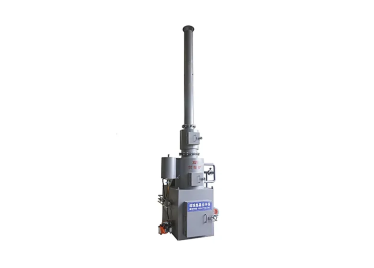
Incineration is a high-temperature process that is used to dispose of waste that cannot be rendered, composted, or digested. Incinerators reduce the volume of waste by converting it into ash and flue gases. This method is particularly effective for destroying pathogens, preventing disease transmission, and minimizing the environmental impact of waste.
Beyond traditional waste disposal methods, slaughterhouses are increasingly looking to valorize waste, turning it into valuable products that can benefit the environment and economy.
One of the most promising approaches to waste valorization is the conversion of slaughterhouse waste into renewable energy. By processing fats, oils, and organic waste, slaughterhouses can produce biodiesel and biogas. These energy sources not only help to reduce waste but also provide an eco-friendly alternative to fossil fuels.
Biodiesel: Fats and oils from slaughterhouse waste can be converted into biodiesel, which can be used as an alternative fuel in diesel engines.
Biogas: Anaerobic digestion of organic waste produces biogas, which can be used to generate electricity, heat, or even fuel for vehicles.
Collagen and gelatin are valuable by-products of slaughterhouse waste, particularly derived from animal bones, hides, and connective tissue. These materials are highly sought after in the food, pharmaceutical, and cosmetic industries.
Collagen: Used in food products like marshmallows and gummies, collagen is also employed in medical products like wound dressings and skin grafts.
Gelatin: Gelatin, derived from collagen, is used in a wide range of applications, from food processing to pharmaceutical capsules and cosmetics.
An emerging area of research is the use of slaughterhouse waste to create bioartificial tissues and organs for medical research and regenerative medicine. By converting collagen and other animal by-products into bioartificial tissues, scientists are exploring ways to use these materials in organ transplants and tissue regeneration.
While this technology is still in the experimental phase, it holds the potential to revolutionize medical treatments and reduce the reliance on traditional organ donation. In the future, slaughterhouses could play a significant role in providing raw materials for medical innovation.
To ensure the sustainability of waste disposal operations, slaughterhouses must adopt best practices that combine multiple techniques and focus on waste reduction.
An integrated waste disposal system combines multiple waste management techniques for greater efficiency. By combining rendering, composting, and incineration, slaughterhouses can handle different types of waste in a more sustainable manner. This approach minimizes environmental impact and maximizes resource recovery.
Waste reduction strategies are essential for minimizing the environmental footprint of slaughterhouses. Practices like precision cutting, which maximizes the usable meat yield, and water recycling systems, which reduce wastewater production, help reduce overall waste. By implementing these strategies, slaughterhouses can minimize their environmental impact and improve operational efficiency.
The meat industry is continuously evolving, and with it, the technologies used to treat and manage waste. Modern incinerators, biogas plants, and advanced rendering technologies are helping slaughterhouses reduce waste and increase efficiency. As these technologies continue to advance, slaughterhouses will be better equipped to handle waste sustainably.
Sustainable waste disposal methods help divert waste from landfills, reducing environmental pollution. Techniques like rendering and composting convert waste into valuable resources like fertilizers and animal feed, supporting the circular economy. This process not only benefits the environment but also promotes resource efficiency within the meat production sector.
By implementing sustainable waste disposal practices, slaughterhouses can reduce their waste management costs and generate additional revenue streams. By-products such as biodiesel, tallow, and meat meal can be sold, creating new sources of income for slaughterhouses while reducing waste disposal expenses.
Slaughterhouses are subject to strict environmental regulations that govern waste management. Sustainable waste management practices, such as modern incinerators and biogas systems, help ensure compliance with local and international laws, reducing the risk of fines and penalties while enhancing a company’s reputation as an environmentally responsible operation.
In conclusion, sustainable slaughterhouse waste management is essential for reducing environmental pollution and supporting the circular economy. By adopting methods like rendering, composting, and incineration, slaughterhouses can minimize waste and generate valuable by-products. Technologies such as biogas production and bioartificial tissue creation show promise for the future. Companies like XJY provide valuable solutions to help slaughterhouses integrate these sustainable practices, contributing to a greener, more efficient industry.
A: Slaughterhouse waste includes solid, liquid, and organic materials generated during meat processing. Proper management is crucial to prevent pollution and protect human health.
A: Incineration involves burning waste at high temperatures, reducing its volume. It destroys pathogens but requires careful emission control to prevent air pollution.
A: Sustainable waste disposal methods like rendering and composting help reduce pollution, generate valuable by-products, and contribute to a circular economy.
A: Waste incinerators help slaughterhouses safely dispose of inedible by-products, reduce waste volume, and destroy harmful pathogens, improving efficiency and compliance.


