


Views: 0 Author: Site Editor Publish Time: 2025-12-18 Origin: Site


What happens to the waste generated on board a ship? A Batch loaded incinerator is the solution that ensures efficient waste disposal.
In this article, we will explore what a batch loaded incinerator is, how it works, and why it's essential for managing waste at sea. You’ll also learn about its types, benefits, and practical applications in modern maritime operations.
A batch loaded incinerator is a waste disposal system on ships designed to burn waste in discrete batches. These systems typically consist of a combustion chamber, a burner, and a control system. The incinerator uses fuel such as diesel or gas to generate high temperatures, allowing waste materials to be reduced to ash.
Unlike continuous incinerators that burn waste constantly, batch loaded incinerators are designed to process waste in batches. This distinction makes batch systems ideal for ships that generate waste intermittently, allowing them to control when and how waste is incinerated.
A batch loaded incinerator works by loading waste into the combustion chamber. The waste is then burned at high temperatures, typically around 850-1000°C, which ensures complete combustion. The process involves mixing air with the fuel to maintain a stable fire that incinerates the waste. Afterward, the remaining ash is removed, and the cycle repeats.

Type of Incinerator | Waste Processed | Features & Benefits |
Solid Waste Incinerators | Plastics, Paper, Food waste | Efficient for non-liquid waste, reduces volume significantly |
Liquid Waste Incinerators | Oils, Chemicals | Designed for hazardous liquids, eco-friendly disposal |
Mixed Waste Incinerators | Both solid and liquid waste | Versatile, processes diverse waste types, ideal for varied waste generation |
Solid waste incinerators are used to process materials like plastics, cardboard, and other non-liquid waste generated on ships. These systems are designed to handle large volumes of solid waste, efficiently reducing them to ash.
For liquid waste such as oils and chemicals, liquid waste incinerators are employed. These systems are designed to handle hazardous materials that require special disposal methods due to their chemical composition.
Some ships produce a combination of solid and liquid waste. Mixed waste incinerators are designed to process both types of waste in a single incineration cycle. This type of incinerator offers versatility, making it suitable for vessels that generate diverse waste types.
Advantage | Description |
Efficient Waste Disposal | Reduces waste volume, turning it into ash, freeing up space |
Environmental Compliance | Meets international regulations, reduces harmful emissions |
Durability and Reliability | Built to withstand harsh marine conditions, long-lasting performance |
One of the primary advantages of batch loaded incinerators is their ability to efficiently burn waste, converting it into ash. This reduces the volume of waste on board and makes waste management more manageable for the crew.
Batch loaded incinerators are designed to meet environmental regulations set by the International Maritime Organization (IMO). These incinerators use high temperatures to ensure complete combustion, which reduces harmful emissions such as particulate matter and greenhouse gases.
Built for marine environments, batch loaded incinerators are durable and reliable. They are constructed to withstand harsh weather conditions, vibrations, and exposure to saltwater, ensuring that they remain operational throughout a voyage.
While effective, batch loaded incinerators require regular maintenance to ensure optimal performance. This includes cleaning the combustion chamber, inspecting the control system, and replacing worn-out parts.
Batch incinerators consume significant amounts of energy to maintain the high temperatures needed for combustion. Managing energy efficiency is crucial, especially on long voyages where fuel resources may be limited.
In commercial shipping, batch loaded incinerators are used to manage waste generated by passengers, crew, and operations. These incinerators ensure that waste does not accumulate on board, reducing the risk of fire hazards and maintaining cleanliness.
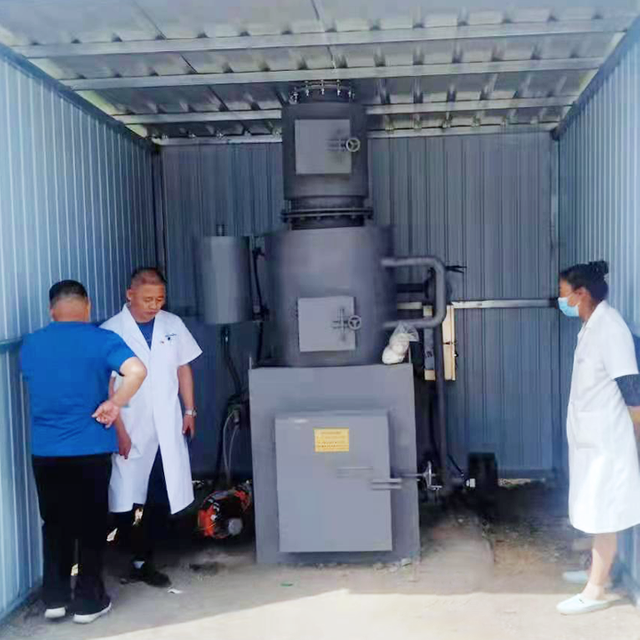
Specialized vessels such as oil tankers, research ships, and naval vessels often require batch loaded incinerators to handle specific waste types like hazardous chemicals or industrial waste. The versatility of these incinerators makes them suitable for a variety of vessel types.
Environmental regulations, such as the MARPOL Annex VI, require ships to dispose of waste in a manner that minimizes harm to the environment. Batch loaded incinerators help ships comply with these regulations by ensuring that waste is safely burned and reduced to harmless ash.
When selecting a batch loaded incinerator, it’s essential to choose the right capacity based on the waste generation rate of the ship. Larger ships with more crew or passengers will require larger incinerators to handle the increased waste.
Incinerators can be powered by different fuels such as diesel, natural gas, or even biofuels. The choice of fuel depends on the ship's operating environment and fuel availability. Gas-powered incinerators tend to be more environmentally friendly, producing fewer emissions than diesel-powered units.
Many modern batch loaded incinerators come with automated features that help monitor waste levels, temperature, and combustion efficiency. These systems reduce the need for manual intervention and help ensure the incinerator operates optimally.
Batch loaded incinerators are essential for managing waste on ships. They ensure efficient waste disposal, comply with environmental regulations, and reduce waste volume. These incinerators can handle solid, liquid, and mixed waste. Zhucheng Xinjieye Environmental Protection Limited Company offers high-quality incinerators, providing reliable, eco-friendly waste management solutions that enhance operational efficiency.
A: A Batch loaded incinerator is a waste disposal system on ships that burns waste in discrete batches, providing efficient and environmentally safe waste management.
A: A Batch loaded incinerator works by loading waste into the chamber, burning it at high temperatures to reduce it to ash, and then removing the ash once the batch is complete.
A: Batch loaded incinerators are crucial for managing waste on ships, ensuring compliance with environmental regulations and preventing waste accumulation during long voyages.
A: A Batch loaded incinerator ensures efficient waste disposal, environmental compliance, and reduced waste volume, making it ideal for ships with limited waste management options.
A: Batch loaded incinerators can burn solid waste, liquid waste, and mixed waste, making them versatile for a variety of materials generated on ships.


