


Views: 0 Author: Site Editor Publish Time: 2025-09-22 Origin: Site


Medical waste is a growing concern, impacting both healthcare systems and the environment. Cytotoxic, biohazardous, and sharps waste require specific disposal methods to prevent harm. Meanwhile, agricultural waste presents opportunities for recycling into valuable resources like compost, biogas, and biomass. In this article, we will explore best practices for managing both types of waste and discuss how agricultural waste can be recycled in collaboration with healthcare systems.
Medical waste can be classified based on the potential risks it poses to human health and the environment. Key categories include:
| Category | Description |
|---|---|
| Biohazardous Waste | Waste contaminated with bodily fluids, blood, or pathogens (e.g., used PPE, syringes, and gauze). |
| Cytotoxic Waste | Waste from chemotherapy drugs or materials contaminated by toxic substances, requiring secure disposal. |
| Sharps | Needles, scalpels, and other sharp objects that pose injury risks. |
| Pharmaceutical Waste | Expired or unused medications that must be disposed of according to strict guidelines. |
Improper disposal of medical waste can lead to severe health risks, including infections, poisoning, and environmental contamination. For example, contaminated needles and syringes can transmit diseases like HIV and hepatitis, while improper incineration may release toxic chemicals into the atmosphere.
Strict regulations, including the EPA standards in the United States and similar laws globally, govern medical waste management. These regulations ensure that waste is handled, treated, and disposed of properly, minimizing the risk of harm to both people and the environment.
The volume of medical waste is growing rapidly, especially in the wake of pandemics. The complexity arises from the diverse types of waste produced in various healthcare settings, such as hospitals, dental clinics, and laboratories, each requiring tailored disposal methods. The increasing volume and variety of medical waste present logistical and safety challenges that require careful planning and execution.
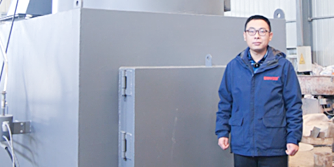
Certain medical waste, like cytotoxic materials, requires specialized incinerators and treatment facilities. For instance, medical waste incinerators operate at high temperatures to destroy hazardous materials completely. Without such equipment, the waste could cause serious environmental damage. Specialized autoclaving methods are also essential for handling biohazardous waste, ensuring pathogens are effectively neutralized.
The management of medical waste varies widely between developed and developing countries. In many low-income countries, medical waste is often not separated correctly, leading to a higher risk of exposure to hazardous materials. Developing nations face challenges such as insufficient infrastructure, lack of regulations, and inadequate healthcare resources for waste management. These disparities highlight the need for global collaboration and the adoption of efficient waste management technologies.
Medical waste incinerators are designed to handle hazardous waste by burning it at extremely high temperatures, usually between 850-1100°C. This process destroys pathogens, chemicals, and other harmful substances in the waste, turning it into ash. The incineration process is crucial for reducing the environmental impact of hazardous medical waste, and it ensures that dangerous substances are eliminated completely.
Incineration is highly effective at eliminating pathogens and reducing the volume of waste. However, the process has some environmental drawbacks, such as the potential release of dioxins and furans, which are toxic to both humans and wildlife. Modern incinerators are designed to minimize these emissions, but they still pose a risk. Inadequate incineration or the burning of unsuitable materials can lead to harmful emissions that contribute to air pollution.
Recent innovations in incineration technology include the development of high-efficiency systems that significantly reduce harmful emissions. These systems often use advanced filters and gas-cleaning equipment to capture toxic substances before they are released into the air. These innovations are critical for reducing the environmental impact of medical waste disposal while still ensuring its safe and effective treatment.
Minimizing waste generation is a key strategy in sustainable medical waste management. Hospitals and clinics can adopt green procurement practices, such as purchasing reusable medical equipment, and implement lean management techniques to reduce waste generation at the source. Reducing unnecessary waste not only helps the environment but also lowers operational costs for healthcare providers.
Recycling in healthcare focuses on non-hazardous waste, such as paper, plastics, and metals. For example, used medical packaging can be recycled, and food waste from hospitals can be composted. The goal is to divert as much waste as possible from landfills while maintaining patient safety. Hospitals can set up separate waste streams for recyclable materials to ensure effective recycling and minimize landfill contributions.
WTE technologies are gaining traction as a way to convert medical waste into energy. This process involves incinerating medical waste to produce heat and electricity, which can be used to power the healthcare facility or sent to the grid. WTE offers a dual benefit: reducing waste and generating renewable energy, thus contributing to a more sustainable waste management system.
Tip: For healthcare institutions, implementing sustainable waste management strategies not only helps with environmental protection but also lowers long-term operational costs.
Agricultural waste, such as crop residues, livestock manure, and spoiled produce, presents significant recycling opportunities. These materials can be composted to enrich soil, anaerobically digested to produce biogas, or converted into biomass fuels through pyrolysis. The agricultural sector can significantly reduce its environmental impact by adopting waste recycling techniques that convert waste into valuable resources.
Healthcare facilities can collaborate with agricultural producers to recycle organic waste from hospitals. For example, composting food waste from healthcare settings and using it in agricultural operations can help reduce landfill volumes and provide valuable nutrients for crops. By partnering with agricultural producers, healthcare providers can further the cause of sustainability and minimize their environmental footprint.
Recycling agricultural waste not only helps reduce landfill usage but also provides economic benefits, such as cost savings in waste disposal and the creation of valuable resources like biogas, which can be used as a renewable energy source. The collaboration between healthcare and agriculture enhances sustainability on both fronts, creating a win-win situation for both industries.
Integrating medical and agricultural waste management practices can lead to more sustainable solutions. By using technologies developed for medical waste management, such as waste-to-energy systems, agricultural waste can be treated in a way that provides energy and reduces pollution. The integration of both sectors’ practices enhances the efficiency and sustainability of waste treatment processes.
Technologies like plasma pyrolysis and anaerobic digestion are emerging as alternative waste treatment methods. These innovations allow for the safe destruction of medical waste and the conversion of agricultural waste into renewable energy, contributing to a circular economy. These technologies present an opportunity for significant improvements in waste management processes across multiple industries.
As governments continue to push for sustainable practices, there will be a shift toward more stringent regulations in both medical and agricultural waste management. Policies promoting the recycling of organic waste, along with investment in new technologies, will drive the future of waste management. These changes will likely make waste management more efficient and eco-friendly, with long-term benefits for both industries.
Managing medical and agricultural waste is a complex task with significant impacts on public health and the environment. By adopting innovative technologies and sustainable practices, we can create a more efficient waste management system. Collaboration between healthcare providers and agricultural producers is key to reducing environmental harm and providing valuable resources. XJY offers solutions that promote sustainable practices, providing waste incinerators designed to optimize waste management and enhance environmental sustainability.
A: Medical waste refers to any waste generated from healthcare activities that could be contaminated with harmful pathogens, chemicals, or toxins, including cytotoxic and biohazardous materials.
A: Waste incinerators burn medical waste at high temperatures to destroy harmful substances, ensuring that pathogens and toxins are eliminated safely, reducing environmental impact.
A: Proper management of medical waste helps prevent infections, environmental pollution, and health hazards associated with hazardous substances in waste materials.
A: Agricultural waste like crop residues and livestock manure can be recycled through composting, anaerobic digestion, and biomass conversion to create renewable resources.
A: Healthcare providers can work with agricultural producers to recycle organic waste, such as food waste, into compost or biogas, reducing landfill use and promoting sustainability.


