


Views: 0 Author: Site Editor Publish Time: 2026-01-12 Origin: Site


Plastic waste is a global crisis, with millions of tons ending up in landfills and oceans each year. But how can we manage this waste effectively? Incinerators provide a solution by burning plastics at high temperatures, reducing waste and recovering energy. In this guide, we will explore how incinerators work with plastics, the benefits of incineration, and the best practices for efficient and sustainable plastic waste management.
In this article, you will learn about the types of plastics, how incinerators handle them, and the key advantages of using incineration for plastic disposal. We'll also dive into innovations and environmental compliance that help make plastic incineration safer and more efficient.
Plastics are everywhere, from packaging to everyday products. However, their environmental impact is significant, with plastic waste accumulating in landfills and oceans. Incineration provides a way to manage this waste, but to do so effectively, it's important to understand the different types of plastics and how they behave during the incineration process. This section will dive into the different types of plastics and explore their environmental consequences, helping you understand why managing plastic waste responsibly is essential.
Plastics are synthetic materials made from polymers, and they are divided into two primary categories based on their ability to be reshaped upon heating:
● Thermoplastics: These plastics soften when heated and can be molded into different shapes. They include materials like Polyethylene Terephthalate (PET), High-Density Polyethylene (HDPE), Polyvinyl Chloride (PVC), and Polypropylene (PP). These are commonly found in packaging, bottles, and bags.
● Thermosetting Plastics: Unlike thermoplastics, thermosetting plastics do not soften upon heating. They harden permanently after being molded. Examples include epoxy, phenolic, and melamine. These plastics are often used in electronics, automotive parts, and other durable products.
The varying chemical structures and melting points of these plastics play a significant role in how they behave during incineration. Thermoplastics tend to burn faster and more efficiently than thermosetting plastics, which require higher temperatures and more careful handling.
Plastic Type | Common Examples | Incineration Temperature Range | Key Incineration Notes |
Thermoplastics | PET, HDPE, PVC, PP | 1,000°C - 1,200°C | Burns efficiently; easy to incinerate |
Thermosetting Plastics | Epoxy, Phenolic, Melamine | 1,200°C - 1,400°C | Requires higher temperature for complete burn |
Biodegradable Plastics | PLA, PHA | 900°C - 1,100°C | Burns quickly but may produce higher emissions |
Plastics have a profound environmental impact. Most plastics are not biodegradable and can take centuries to break down, leading to pollution in landfills and oceans. According to studies, plastic waste accounts for a large portion of marine debris, harming marine life and ecosystems. Furthermore, the improper disposal of plastic waste, such as through open burning, can release toxic substances into the air, causing serious health problems for communities.
The plastic crisis has led to calls for more sustainable waste management practices. Incineration offers one such solution by significantly reducing the volume of plastic waste, preventing further accumulation in landfills and oceans. However, this method must be conducted in an environmentally responsible manner to avoid contributing to air pollution.
Sorting plastics by type before incineration can improve the efficiency of the process and reduce harmful emissions.
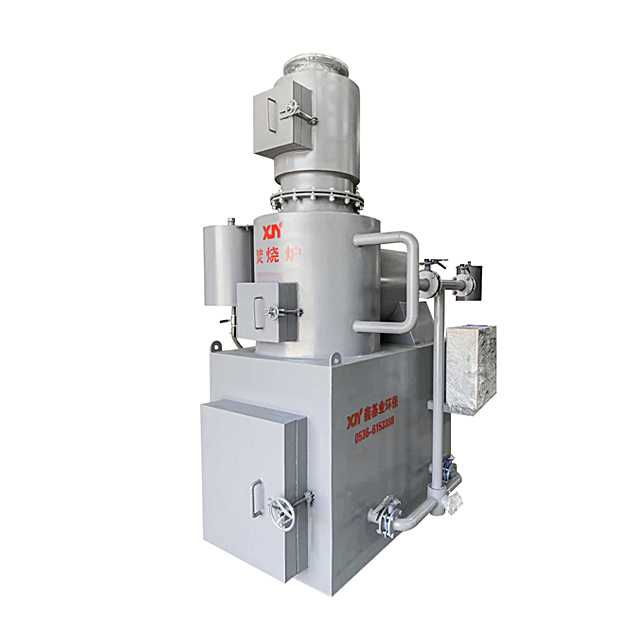
Plastic waste is a growing environmental challenge, but incinerators offer an efficient solution for its disposal. By burning plastics at high temperatures, incinerators not only reduce waste volume but also help in energy recovery.
Incinerators burn waste at high temperatures, typically between 1,000°C and 1,200°C, depending on the type of plastic. The process involves several key stages:
1. Loading the Waste: Plastics are loaded into the incinerator’s combustion chamber. For efficiency, plastics should be sorted by type to ensure uniform burning. Shredding large plastic items also helps improve combustion by increasing the surface area exposed to heat.
2. Ignition: The incinerator is initially ignited using a fuel source, such as natural gas, to raise the temperature in the combustion chamber. Once the plastic reaches its ignition point, it begins to burn.
3. Combustion: During the combustion process, plastics are broken down by heat into simpler compounds like water vapor, carbon dioxide, and ash. Proper oxygen supply is essential for efficient combustion. Inadequate oxygen can lead to incomplete combustion, resulting in the release of harmful emissions.
4. Exhaust Gas Treatment: The gases produced during the incineration process pass through filtration systems such as scrubbers, electrostatic precipitators, or baghouses, which remove harmful substances like dioxins, furans, and particulate matter before the gases are released into the atmosphere.
This process reduces the volume of plastic waste by up to 90% and eliminates most of the harmful chemicals present in the plastics.
Incinerating plastics offers several advantages, particularly in terms of waste reduction and energy recovery:
● Volume Reduction: One of the most significant benefits of incineration is the reduction in the volume of plastic waste. Plastics take up large amounts of space in landfills, but incineration reduces this volume dramatically, helping to free up landfill space for other types of waste.
● Energy Recovery: Modern incinerators are equipped with systems to recover energy from the combustion process. The heat generated can be converted into electricity or used to provide heating for nearby buildings, making incineration a form of waste-to-energy (WTE) technology.
● Waste Diversion from Landfills: Incineration helps divert waste from landfills, providing a more sustainable solution for plastic waste disposal. By burning plastics, we prevent them from leaching into the environment or contributing to landfill overflow.
Benefit | Description | Environmental Impact |
Volume Reduction | Reduces plastic waste volume by up to 90%. | Reduces landfill space and waste accumulation |
Energy Recovery | Captures energy from burning plastic waste. | Provides sustainable energy, reducing fossil fuel use |
Waste Diversion from Landfills | Prevents plastics from ending up in landfills or oceans. | Reduces pollution in landfills and oceans |
Utilizing waste-to-energy systems in incinerators can help reduce dependence on fossil fuels and promote sustainable energy production.
Efficiently incinerating plastics requires careful preparation and monitoring throughout the process to ensure optimal performance and minimize environmental impact. By following best practices, incinerators can operate at peak efficiency, reducing waste volume and recovering energy.
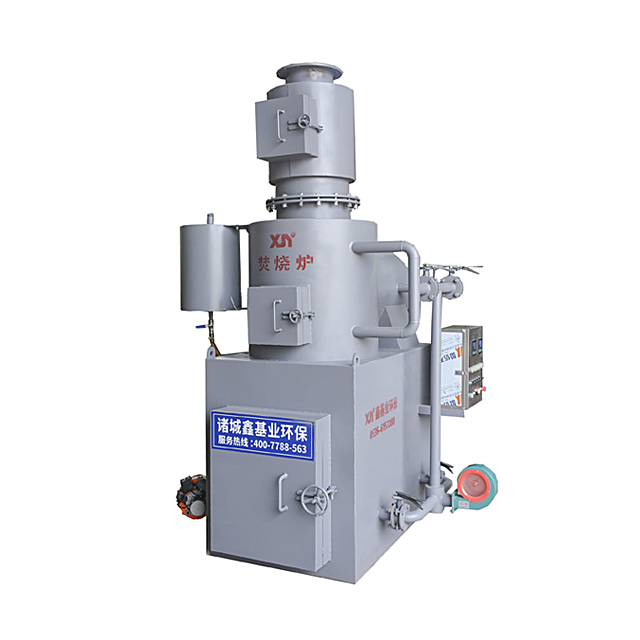
Proper preparation before incinerating plastics ensures that the process is efficient and that the environment is protected. This includes:
● Sorting Plastics: Separating plastics by type helps incinerators operate at maximum efficiency. For instance, thermoplastics burn faster and more efficiently than thermosetting plastics, and sorting them prevents the incinerator from overheating or underperforming.
● Removing Contaminants: Plastics contaminated with food waste, metals, or other materials should be cleaned before incineration. These contaminants can interfere with the combustion process and increase harmful emissions.
● Shredding Waste: Larger plastic items should be shredded into smaller pieces to improve burning efficiency. Shredding increases the surface area of the waste, making it easier for the incinerator to burn the material completely.
During the incineration process, it's essential to maintain optimal conditions to ensure complete combustion and minimize environmental impact:
● Maintaining the Right Temperature: The temperature must be carefully controlled to ensure that the plastic waste burns completely. Too low of a temperature can lead to incomplete combustion, which can result in the release of harmful chemicals like dioxins and furans.
● Controlling Oxygen Supply: Incinerators need a constant supply of oxygen to sustain the combustion process. Oxygen is typically supplied through forced air systems, which help maintain the necessary conditions for efficient burning.
Monitoring and adjusting temperature and oxygen levels regularly can prevent incomplete combustion and harmful emissions.
One of the significant advantages of incinerating plastics is the potential to recover energy. Some modern incinerators are equipped with systems that convert the heat generated by combustion into electricity or steam. This energy can be used to power local industries or provide heat to nearby communities.
Waste-to-energy incinerators not only reduce the amount of waste that ends up in landfills but also provide a renewable source of energy. This can help reduce reliance on fossil fuels and promote more sustainable energy practices.
As incinerators become a more widely used method for plastic waste disposal, ensuring compliance with environmental standards is essential to minimize their impact. Regulatory bodies, such as the Environmental Protection Agency (EPA), set stringent air emission standards to control the pollutants released during incineration. By adhering to these regulations, incinerators can operate more efficiently and sustainably.
Incinerators must comply with strict air emission standards set by regulatory agencies such as the Environmental Protection Agency (EPA). These standards are designed to reduce the environmental impact of incineration by limiting the release of harmful pollutants like dioxins, furans, and heavy metals.
Modern incinerators use advanced filtration systems to capture these harmful substances before they are released into the atmosphere. Scrubbers, electrostatic precipitators, and baghouses are commonly used to remove pollutants from exhaust gases.
Continuous monitoring of emissions is required to ensure that incinerators are operating within regulatory limits. Certification bodies like ISO and the EPA set the standards for air quality, and incinerators must be regularly inspected and tested to ensure compliance.
Regular certification and monitoring ensure that your incinerator is compliant with environmental regulations, preventing potential fines and environmental harm.
As the global demand for better waste management solutions grows, innovations in plastic incineration are transforming the industry. New technologies are making the process more efficient, sustainable, and environmentally friendly.
Recent innovations in incineration technology have made plastic waste disposal more efficient and environmentally friendly. These advancements include:
● High-efficiency incinerators: These systems are designed to maximize heat recovery and minimize emissions. Advanced combustion chambers help increase the efficiency of the burning process.
● Carbon capture systems: Some modern incinerators are equipped with carbon capture technologies that reduce carbon dioxide emissions, contributing to a lower carbon footprint.
These innovations aim to make plastic incineration cleaner, more efficient, and more sustainable.
While incineration is an effective method of dealing with plastic waste, recycling remains the most sustainable option for many plastics. Incineration is particularly useful for plastics that are not easily recyclable, such as mixed plastics. However, recyclable plastics should be diverted to recycling facilities to conserve resources and reduce waste.
The future of plastic waste management will likely see further technological advancements in incineration. As environmental regulations become stricter, there will be a growing emphasis on reducing emissions, recovering energy, and improving incineration efficiency.
Staying updated on emerging technologies and best practices in plastic incineration can help ensure compliance with evolving environmental standards.
Incinerating plastics is an effective way to reduce waste and recover energy. While the process can have environmental impacts, modern incinerators equipped with advanced technologies provide a sustainable solution. Zhucheng Xinjiye Environmental Protection Equipment Co., Ltd. offers high-quality incinerators designed to optimize waste-to-energy processes and minimize emissions, helping industries manage plastic waste efficiently and sustainably.
A: An incinerator is a high-temperature furnace that burns plastic waste, reducing its volume and eliminating harmful chemicals. It operates by heating plastics to temperatures of 1,000°C to 1,200°C.
A: Incinerating plastics helps reduce waste volume by up to 90%, prevents landfill overflow, and can recover energy from the burning process, offering a sustainable solution for plastic disposal.
A: Most plastics, including thermoplastics like PET, HDPE, and PVC, can be incinerated. However, thermosetting plastics may require higher temperatures for effective burning.
A: Modern incinerators use advanced filtration systems, such as scrubbers and electrostatic precipitators, to capture harmful emissions like dioxins and furans before releasing them into the atmosphere.
A: Yes, modern incinerators are equipped with systems that recover energy during the combustion of plastics, which can be used for electricity generation or heating.


