


Views: 0 Author: Site Editor Publish Time: 2026-07-14 Origin: Site


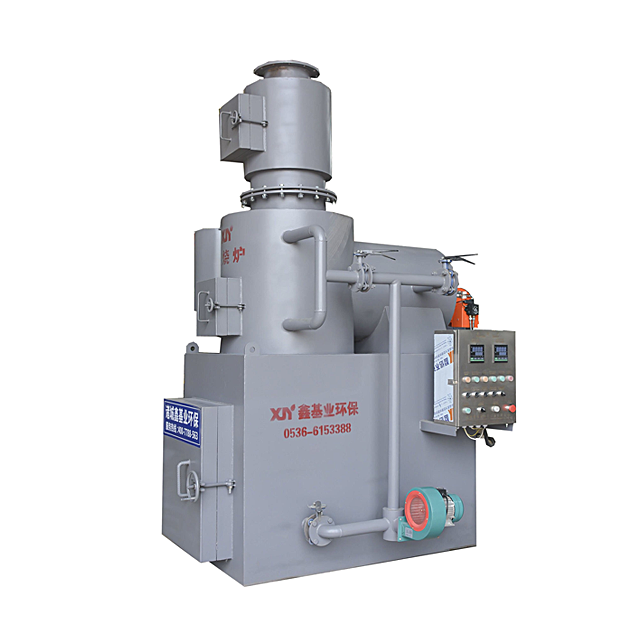
The approaching 2026 environmental mandates represent a strict, immovable deadline for healthcare facilities worldwide. Regulatory bodies are synchronizing their guidelines to phase out outdated disposal methods. Non-compliant waste disposal will soon trigger severe financial penalties. It also risks negative public relations and immediate operational shutdowns. Many facilities still rely on aging infrastructure. These legacy systems simply cannot meet the incoming strict emission thresholds. The new rules focus heavily on reducing heavy metals, dioxins, furans, and particulate matter.
This creates a hard business problem for facility managers. A massive gap exists between legacy equipment capabilities and the upcoming synchronized WHO, EPA, and regional guidelines. This guide serves as a technical and financial framework for sustainability directors and procurement officers. You can use it to evaluate, shortlist, and implement compliant incineration of medical waste, balancing initial capital expenditure with long-term operational viability.
Regulatory Shift: 2026 guidelines prioritize continuous emissions monitoring systems (CEMS), strict waste segregation auditing, and tighter limits on toxic off-gassing, rendering many pre-2015 models obsolete.
Procurement Standard: Compliant medical waste incinerators must feature dual-chamber combustion with a minimum secondary chamber retention time of 2 seconds at 1000°C+ to ensure complete pathogen and hazardous chemical destruction.
TCO Realities: Upgrading to a compliant incinerator for medical waste involves high initial CAPEX (advanced scrubbers, automated loading, baghouse filters), but significantly reduces OPEX by mitigating waste haulage fees, avoiding compliance fines, and potentially integrating Waste-to-Energy (WTE) heat recovery.
Implementation Timelines: Sourcing, permitting, and installing a new unit requires a 9- to 18-month lead time; delayed decision-making risks severe facility bottlenecking during the 2026 transition period.
Regulatory compliance success requires a fundamental shift in operational philosophy. You must transition from reactive waste management to proactive, verifiable destruction. Evolving global environmental frameworks demand total transparency. Facility leaders must ensure their incinerator hospital waste management infrastructure leaves zero margin for error. The 2026 guidelines redefine acceptable emissions. We see a complete overhaul of how environmental protection agencies monitor hospital emissions globally.
Global environmental agencies are enforcing drastic cuts to permissible emission limits. Heavy metals, dioxins, furans, and acid gases face near-zero tolerance thresholds. Dioxins and furans form during incomplete combustion of chlorinated plastics. The new regulations aim to eliminate their release entirely. Expect to see particulate matter limits pushed below 10 mg/Nm³. Carbon monoxide restrictions will likely cap at 50 mg/Nm³. Facilities failing to meet these strict baselines will face daily compounding fines.
This shift makes advanced pollution control mandatory. Any new incinerator medical waste deployment must utilize advanced wet or dry scrubbing systems. Raw exhaust gases can no longer vent directly into the atmosphere. Activated carbon injection is standard practice. This technology captures volatile organic compounds before they exit the stack.
Regulators now demand integrated Continuous Emissions Monitoring Systems (CEMS). These digital systems act as the unquestionable source of truth for your facility. They log real-time temperature, oxygen levels, and carbon monoxide outputs. CEMS units sample stack gases every few seconds. They provide undeniable proof of ongoing compliance to local environmental agencies. We expect to see the following parameters tracked continuously:
Primary chamber combustion temperatures and pressure variances.
Secondary chamber residence time and sustained heat levels.
Oxygen concentration percentages injected via excess air fans.
Particulate matter opacity levels exiting the final stack.
Automated, tamper-proof reporting features will soon become a non-negotiable specification in vendor RFPs. Manual logbooks are obsolete. Inspectors expect instant access to verifiable, encrypted combustion records. Cloud-based telemetry allows remote auditing. This saves time during official compliance checks and prevents internal data manipulation.
Regulators are shifting their focus upstream. Facilities must enforce strict segregation protocols before waste ever reaches the loading bay. You cannot burn everything. The new regulatory emphasis ensures that inappropriate materials do not enter the incineration stream. Proper sorting dictates the success of your emission controls.
Implement these daily segregation steps:
Remove all pressurized aerosol containers from standard red bag waste streams.
Isolate mercury-containing devices to prevent heavy metal volatilization in the primary chamber.
Separate bulk highly chlorinated plastics, including PVC IV bags and diagnostic tubing.
Divert low-level radioactive materials to specialized containment and decay protocols.
Non-combustibles, radioactive materials, and highly chlorinated plastics must be strictly excluded. Polyvinyl chloride (PVC) plastics are particularly dangerous. When burned, PVC releases highly corrosive hydrochloric acid. This damages internal refractory linings and causes compliance failures. Strict upstream sorting audits protect your equipment investment and keep you legally compliant.
Choosing the right equipment requires a deep understanding of your facility's unique demands. You must categorize available systems based on distinct operational metrics. Primary metrics include throughput capacity measured in kilograms per hour. You must also evaluate the core combustion technology. Compare pyrolytic gasification against excess air models. Finally, assess the integrated advanced pollution control mechanisms. You need dedicated medical waste incinerators to meet sustained clinical demands.
Comparison of Legacy vs. Post-2026 Compliant Incinerator Systems
System Feature | Legacy Pre-2015 Systems | Post-2026 Compliant Systems |
|---|---|---|
Combustion Chambers | Single or basic dual chamber | Strict dual-chamber with localized thermal control |
Secondary Temp & Time | 800°C for 1 second | 1000°C - 1100°C for minimum 2 seconds |
Emissions Monitoring | Manual logging or periodic testing | Tamper-proof CEMS (Continuous Emissions Monitoring) |
Pollution Control | Basic stack venting or simple cyclone | Wet/dry scrubbers, baghouse filters, carbon injection |
Loading Mechanism | Manual batch loading | Automated, sealed ram feeding systems |
Understanding dual-chamber design is paramount. A primary chamber handles the initial gasification process. It operates in a starved-air environment. This reduces solid waste to ash and combustible syngas. The secondary chamber handles final combustion. It introduces excess air and high heat to ignite the syngas. This two-step process guarantees the complete molecular destruction of volatile organic compounds.
Mechanized handling significantly improves operator safety. Automated de-ashing and loading systems reduce operator exposure to hazardous bio-waste. They prevent dangerous cross-contamination incidents on the facility floor. Automated loaders maintain consistent internal thermal dynamics. They prevent sudden temperature drops that occur when manual doors open. You must scrutinize the filtration technology. Dry sorbent injection works well for smaller units. Wet scrubbers offer superior acid gas neutralization for large-scale operations. HEPA or ceramic baghouse filters remain absolute necessities. They capture microscopic particulate matter. Without them, compliant incineration medical waste is impossible under the new EPA and WHO guidelines.
You must build a rigid framework for scrutinizing manufacturer specifications. Never accept marketing claims or theoretical performance data at face value. Vendors often present best-case scenario numbers achieved under perfect laboratory conditions. Your facility operates in the real world with variable waste streams and fluctuating moisture contents.
To validate claims, follow these strict steps:
Request raw CEMS data logs from active installations processing similar clinical waste profiles.
Require independent, third-party emission test data from certified environmental laboratories.
Contact reference facilities to verify maintenance frequency and true operational downtime.
Review the programmable logic controller (PLC) software for advanced data security protocols.
Ensure your service level agreements (SLAs) include guaranteed compliance clauses. If the installed system fails independent emissions testing, the vendor must bear the financial responsibility for remediation and retrofitting.
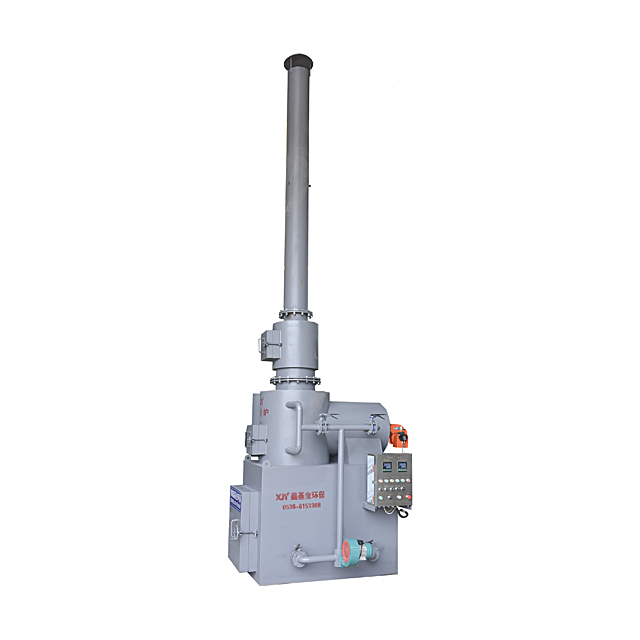
Decision-makers must clearly understand the critical technical boundaries between general municipal disposal and hazardous bio-waste management. You cannot treat hospital waste like standard municipal trash. The chemical composition, moisture content, and hazard levels are vastly different. Utilizing the wrong equipment leads to catastrophic environmental and legal consequences.
A standard solid waste incinerator lacks precise, localized thermal control. Municipal incinerators are designed for volume. They miss the rapid-response burners and extended gas retention times necessary to neutralize cytotoxic drugs. Sharps and pathological waste require distinct thermal profiles. General systems simply cannot provide these controlled profiles.
Consider the destruction of trace chemotherapy waste. This material demands sustained temperatures exceeding 1000°C to break down complex molecular bonds safely. General municipal burners operate at lower temperatures to conserve fuel. Using general-purpose units for healthcare waste risks incomplete combustion. Unburned hazardous compounds will escape into the atmosphere. This results in severe legal liabilities and dangerous fugitive emissions. Local regulators will immediately shutter your operations. You must install a dedicated hospital waste incinerator engineered specifically to handle the complexities of bio-hazardous material.
Facilities occasionally face sudden, catastrophic volume surges. An emergency medical waste incinerator becomes vital during localized epidemiological outbreaks. They are also deployed during natural disasters or major primary facility upgrades. These mobile, skid-mounted units provide rapid response destruction capabilities. They bridge the gap when primary infrastructure fails or becomes overwhelmed.
However, you must understand their legal boundaries. The EPA and WHO offer specific exemptions and temporary permitting guidelines for these mobile units. These guidelines clearly define strict limitations regarding long-term, continuous, high-volume use. They lack the extensive scrubbing infrastructure of permanent units. Emergency units are temporary stop-gap measures. They act as rapid response tools, never long-term compliance solutions. They help clear localized bottlenecks while permanent facilities undergo repairs or full-scale permitting.
Upgrading your infrastructure involves financial commitments far beyond the initial sticker price. A comprehensive TCO analysis prevents severe budget overruns over the equipment's lifespan. Facility managers must look past the purchase order. You need a holistic view of capital expenditures, operational costs, and potential revenue recovery mechanisms over a 15-year lifecycle. Upgrading to a compliant medical waste incinerator requires deep financial planning.
Estimated Capital and Operational Expenditure Breakdown
Expense Category | Specific Components | Financial Impact & Frequency |
|---|---|---|
Initial Hardware (CAPEX) | Primary/secondary chambers, burners, PLC control panel | High upfront cost; one-time purchase |
Pollution Control (CAPEX) | Wet scrubbers, baghouse filters, carbon injection units | Moderate upfront cost; one-time purchase |
Site Infrastructure (CAPEX) | Concrete pads, utility lines, ventilation shafts | Variable upfront cost based on existing facility |
Auxiliary Fuel (OPEX) | Diesel or natural gas consumption | Continuous ongoing cost; highly market dependent |
Preventative Maintenance (OPEX) | Refractory relining, filter replacement, scrubber sorbents | Moderate recurring cost; scheduled annually |
Budget carefully for the initial sunk costs. The physical hardware represents only a portion of the total CAPEX. You must add the cost of custom flue gas treatment systems. Automated feeding rams and continuous ash discharge conveyors add significant upfront costs. They are essential for safety and compliance.
Do not overlook essential structural facility modifications. You cannot simply place these heavy units on a standard floor. You will need reinforced concrete padding capable of supporting immense static loads. Budget for specialized ventilation shafts, upgraded electrical panels, and potentially new roofing structures. Consider the following capital outlays:
Base unit manufacturing and international shipping logistics.
Advanced wet scrubber towers and alkaline dosing pumps.
Baghouse filter housings and initial ceramic filter bag inventory.
Dedicated programmable logic controller (PLC) control rooms.
Analyze your ongoing operational costs meticulously. Auxiliary fuel consumption will be your largest recurring expense. Systems require diesel or natural gas to maintain strict secondary chamber temperatures. This is especially true when burning high-moisture pathological waste. Fuel costs fluctuate. Model multiple pricing scenarios in your financial projections. Operating a highly regulated incinerator for medical waste demands consistent budgeting.
Maintenance requires a dedicated budget line item. You must account for specialized refractory lining replacements every few years. High-alumina firebricks degrade under constant thermal stress and acidic gas exposure. Account for the continuous procurement of sorbent materials needed for scrubbers. Lastly, include annual third-party compliance auditing and stack testing fees.
Modern incineration does not just destroy waste. It can generate utility value. Introduce heat recovery systems to offset your auxiliary fuel costs. Heat exchangers can capture exhaust heat to generate high-pressure steam or hot water. Hospitals can route this steam to on-site commercial laundries. You can also use it for centralized facility heating or powering absorption chillers.
Calculate the true ROI of on-site processing versus outsourcing. Compare your projected internal operational costs against third-party disposal contracts. Hazardous waste hauling fees escalate unpredictably. Off-site disposal transfers physical waste, but you retain cradle-to-grave legal liability. On-site destruction eliminates hauling costs. It immediately neutralizes your long-term legal risk profile.
Transitioning to fully 2026-compliant infrastructure brings harsh implementation realities. Navigating these risks requires meticulous project management and proactive planning. Hardware installation is only the final step of a long administrative process. Failing to anticipate bureaucratic delays will result in severe operational bottlenecks.
Local environmental permitting remains your most critical bottleneck. Bureaucracy moves slowly. Advise your engineering team to begin the environmental impact assessment (EIA) process early. You should start this process at least 12 to 18 months prior to your target installation date. Public consultation periods and local zoning hearings often introduce unexpected delays.
Prepare your site thoroughly before equipment arrival. Follow a strict infrastructure checklist. Install dedicated, high-capacity fuel supply lines. Ensure heavy-duty electrical loads can support the new machinery without triggering brownouts. Establish continuous water supply and wastewater drainage systems required for wet scrubbers. Plan safe, contained ash disposal routes to prevent toxic dust inhalation.
Hardware is only as reliable as the humans operating it. Facility engineering and custodial staff must undergo mandatory, vendor-supplied training programs. Human error remains the largest threat to equipment longevity and emission compliance. Operators must understand the thermal dynamics, alarm codes, and emergency shutdown procedures intimately.
Administrative sorting controls must evolve alongside your new hardware. Highlight the operational risks of improper waste segregation during staff training. If staff introduce PVC plastics into the burn cycle, they generate highly corrosive hydrochloric acid. This strips away expensive refractory brick and destroys filtration bags. Strict upstream sorting is your primary defense against catastrophic equipment failure.
Conduct a comprehensive facility waste volume audit to determine exact throughput capacity requirements and moisture content baselines.
Draft a technically precise RFP that explicitly mandates post-2026 regulatory emission standards, dual-chamber technology, and integrated CEMS.
Initiate preliminary site consultations with specialized environmental engineering firms to map out structural modifications and utility upgrades.
Begin the local environmental impact assessment and permitting applications immediately to secure approvals within the 12-to-18-month lead time window.
A: Modern guidelines mandate strict thermal minimums to ensure complete pathogen destruction. The primary chamber must reach at least 850°C. The secondary chamber must operate between 1000°C and 1100°C. Furthermore, exhaust gases must maintain a mandatory two-second retention time within the secondary chamber to thoroughly destroy volatile organic compounds.
A: No. General waste systems fail to meet the strict thermal consistency, advanced particulate filtration, and stringent emission requirements mandated for bio-hazardous materials. Pathological waste requires controlled, slower gasification and extreme secondary combustion to prevent dangerous fugitive emissions and guarantee complete biological neutralization.
A: A high-quality, fully compliant unit typically boasts a lifespan of 15 to 20 years. Achieving this longevity is highly contingent upon strict adherence to preventative maintenance schedules. Operators must perform regular cleanings, calibrate burners, and budget for periodic refractory relining every few years to protect the outer steel shell.
A: Emergency units prioritize mobility, rapid deployment, and temporary operation under short-term permitting exemptions during localized crises. Permanent installations involve heavy structural infrastructure, integrated heat recovery systems, and advanced, multi-stage gas scrubbing technologies designed for decades of continuous, high-volume regulatory compliance.
A: Yes, alternatives like autoclaving, ozonation, and microwave treatments meet regulations for general infectious waste. However, anatomical waste, heavily contaminated pharmaceuticals, and cytotoxic materials legally mandate thermal destruction. Non-thermal alternative methods cannot safely neutralize these complex, highly hazardous chemical structures.
A: Facility managers should anticipate a timeline of 6 to 18 months for full permitting. This duration depends heavily on local environmental protection agencies, mandatory public consultation requirements, initial emission baseline testing, and complex municipal zoning laws. Start the environmental impact assessment process as early as possible.


