


Views: 0 Author: Site Editor Publish Time: 2025-09-27 Origin: Site


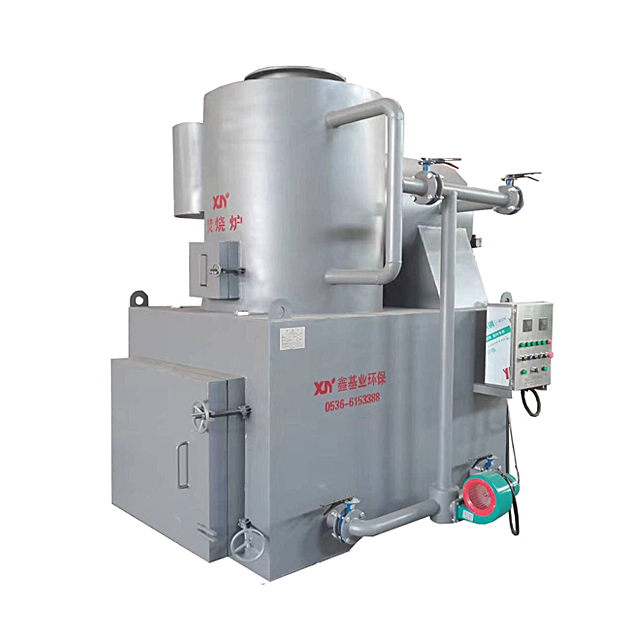
Disasters disrupt lives and devastate communities, leaving behind hazardous waste. Efficient cleanup is critical for public health and environmental safety.Portable incinerators offer a swift solution for managing post-disaster waste. These mobile units are essential for quick, safe disposal in crisis zones.
In this article, we’ll explore the role of incinerators in disaster cleanup, their benefits, types, and real-world applications.
When disaster strikes, waste management is one of the immediate concerns. Traditional methods, like landfills or composting, become impractical or impossible. These methods require infrastructure that may be destroyed or inaccessible in disaster zones. In contrast, portable incinerators offer an adaptable, efficient alternative.
Portable incinerators are designed to be quickly deployed in areas with minimal infrastructure. Their compact, self-contained units can burn large volumes of waste, including medical waste, debris, and hazardous materials. This ability to handle a wide range of waste types makes portable incinerators essential during post-disaster cleanup efforts.
Traditional waste management methods often rely on fixed locations and extensive infrastructure, which may not be available after a disaster. Roads may be impassable, and landfills may be overwhelmed or destroyed. These methods also require substantial resources, including large crews, equipment, and access to waste treatment facilities. Without these, waste accumulates, creating health risks and environmental damage.
Portable incinerators, however, are independent systems that require minimal infrastructure. Their mobility allows them to be deployed where needed most, making them a critical resource for disaster relief operations.
Incinerators use high temperatures to burn waste at a rapid rate, reducing its volume by up to 95%. This makes incinerators a perfect fit for disaster zones, where space is limited, and the sheer volume of waste can be overwhelming. They offer a reliable and safe way to dispose of everything from contaminated debris to hazardous materials, such as medical waste, quickly and effectively.
Incinerators also offer the benefit of being able to burn waste without the need for heavy machinery, which may be unavailable in disaster zones. With the right incinerator, waste can be reduced to harmless ash, minimizing the risk of contamination or environmental pollution.
Speed is of the essence during any disaster recovery operation. The longer waste remains unmanaged, the higher the risks of disease outbreaks and environmental damage. Unattended waste, especially medical or chemical waste, can rapidly become a breeding ground for infectious diseases, jeopardizing recovery efforts and public health.
Swift waste disposal is not only necessary to reduce immediate health risks, but it also supports broader recovery efforts. A quick response helps to clear debris, restore essential services, and make areas safe for rebuilding.
One of the most pressing dangers in a disaster-stricken area is the threat of disease outbreaks. Waste that is not disposed of properly can harbor bacteria, viruses, and other pathogens that spread rapidly in crowded, unsanitary conditions.
Portable incinerators provide a fast and efficient means of neutralizing medical waste, human waste, and other contaminated materials, significantly reducing the risk of disease transmission.
In addition to public health risks, accumulated waste can lead to environmental damage. Unchecked waste can pollute water sources, contaminate soil, and contribute to air pollution. With portable incinerators, waste is safely destroyed, preventing it from becoming an environmental hazard.
The urgency of post-disaster cleanup cannot be overstated. The longer waste is allowed to accumulate, the more difficult it becomes to manage. Portable incinerators ensure that waste is dealt with promptly, allowing recovery efforts to move forward without delay.
Portable incinerators are specifically designed to meet the unique needs of disaster zones. Their benefits include:
Portable incinerators can be quickly transported and deployed, making them ideal for emergency situations. Whether via trucks, trailers, or helicopters, they can reach even the most remote disaster zones. Once on-site, they can be set up in a matter of hours, allowing for immediate waste disposal and minimizing health risks.
The compact and self-contained nature of portable incinerators makes them easy to transport and use. They do not require external power sources or complex infrastructure to operate, making them ideal for areas with limited access to resources.
Portable incinerators are designed to operate continuously, without requiring external resources like power grids or water supplies. This makes them especially useful in off-grid locations or areas where infrastructure has been destroyed.
Portable incinerators help reduce waste volume and ensure that disposal is environmentally responsible.
Incinerators burn waste at extremely high temperatures, reducing it to ash. This process decreases the volume of waste by as much as 95%, making them an efficient way to handle large quantities of waste in a short time.
Modern portable incinerators come equipped with advanced emission control systems that minimize the release of harmful pollutants into the air. These systems ensure that the incineration process complies with environmental regulations, making them an eco-friendly option for disaster relief operations.
Portable incinerators are designed to meet stringent environmental standards. This ensures that waste disposal does not contribute to further environmental degradation in already affected areas.
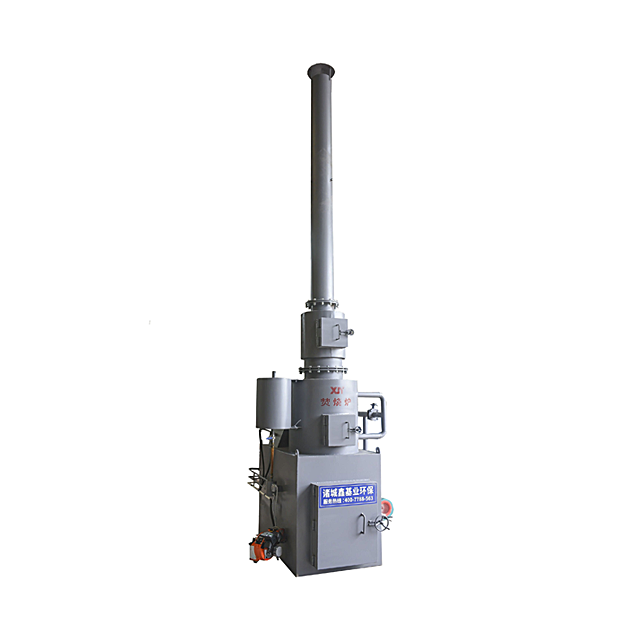
There are various types of portable incinerators, each suited to different post-disaster scenarios. The main types include:
These incinerators are mounted on trailers for easy transportation. They are ideal for large-scale waste disposal operations, capable of handling significant volumes of waste.
● Ideal for Larger-Scale Waste Disposal: Trailer-mounted incinerators are designed to handle high volumes of waste, making them suitable for urban or industrial disaster zones.
● Easy to Transport Across Disaster Areas: The mobility of these units allows them to be transported through difficult terrain or damaged infrastructure.
● High-Capacity and Quick Deployment: Trailer-mounted incinerators are designed for rapid setup, allowing waste to be disposed of promptly.
Containerized incinerators are housed in secure, weather-resistant containers. These incinerators are ideal for use in areas that are hard to access or where weather conditions are extreme.
● Secure and Weather-Resistant Design: These incinerators are built to withstand harsh weather conditions, ensuring reliable operation in any environment.
● Easy Transportation via Road, Rail, or Sea: Containerized units can be moved by various transportation methods, making them highly flexible.
● Integrated Features for Remote Areas: Many containerized incinerators come equipped with integrated fuel tanks and generators, making them ideal for off-grid operations.
Skid-mounted incinerators are mounted on a metal frame or pallet, making them easy to transport and deploy in rugged environments.
● Customizable Options for Specific Waste Types: These incinerators can be tailored to meet the specific needs of the disaster zone, whether it’s medical waste or general debris.
● Robust Design for Extreme Environments: Skid-mounted incinerators are designed to handle the tough conditions found in remote areas, such as military camps or mining sites.
● Perfect for Ongoing Disaster Response Operations: These units are ideal for long-term operations in areas that require continuous waste disposal.
●
Portable incinerators are used in various disaster relief scenarios, from healthcare waste management to supporting humanitarian operations. Some of the most notable applications include:
In disaster zones, medical waste must be disposed of quickly to prevent disease outbreaks. Portable incinerators offer a reliable solution for burning medical waste on-site.
● Importance of Immediate Disposal to Prevent Disease: Medical waste, such as contaminated bandages or needles, can pose a serious health risk. Incinerators provide an effective way to neutralize these materials.
● How Incinerators Neutralize Hazardous Materials: Incinerators use high temperatures to destroy pathogens, ensuring that medical waste is completely sanitized before disposal.
● Preventing Cross-Contamination in Emergency Settings: Incinerators provide a safe and efficient way to eliminate hazardous materials, preventing the spread of infection in emergency medical settings.
Waste management in both urban and rural disaster zones presents unique challenges. Portable incinerators help overcome these challenges by offering flexible, mobile solutions.
● Challenges in Urban Areas: Urban areas often face high population densities and limited space for waste disposal. Incinerators help clear debris and reduce waste volume.
● Challenges in Rural Areas: Rural areas may have limited access to infrastructure and waste management systems. Portable incinerators are ideal for providing waste disposal in off-grid locations.
● How Portable Incinerators Ensure Continuous Waste Disposal: By offering fast and efficient waste disposal, portable incinerators help keep recovery efforts on track, whether in urban or rural areas.
Portable incinerators are often used in military and humanitarian operations, where rapid waste disposal is critical to mission success.
● Supporting Military Operations: Portable incinerators help prevent waste from accumulating in military camps, reducing health risks and supporting operational efficiency.
● Supporting Humanitarian Missions: Humanitarian organizations rely on portable incinerators to manage waste in disaster zones, ensuring safe and swift recovery.
●
Investing in portable incinerators can provide long-term benefits, from cost savings to environmental advantages. Here are the key reasons why organizations should consider these units:
Portable incinerators reduce the need for expensive waste management systems. By reducing waste volume and preventing environmental damage, they offer both immediate and long-term cost savings.
Portable incinerators can be customized to suit the specific needs of disaster response teams. Whether it’s additional fuel tanks or emission controls, these units can be tailored for optimal performance.
By investing in portable incinerators, organizations can enhance their disaster preparedness and response capabilities. These units provide a reliable, mobile waste management solution in the event of a crisis.
Portable incinerators offer rapid deployment, helping to minimize health and environmental risks. Swift action ensures that recovery efforts can begin without delay, reducing contamination and supporting public health.
Portable incinerators are built to last, even in harsh environments. Their durability ensures that they continue to operate reliably in disaster scenarios, providing a long-term solution for waste management.
Portable incinerators are essential in post-disaster cleanup. They provide efficient, safe, and environmentally responsible waste disposal. These units help minimize health risks, prevent environmental damage, and support swift recovery efforts. By investing in portable incinerators, organizations ensure preparedness for managing waste in disaster situations. Zhucheng Xinjiye Environmental Protection Equipment Co., Ltd. offers versatile, reliable incinerators designed for effective disaster relief, enabling teams to handle waste efficiently.
A: A portable incinerator is a mobile waste disposal unit designed to efficiently burn waste on-site, minimizing the risk of disease and environmental damage in disaster zones.
A: Incinerators offer a rapid, efficient solution for waste management in disaster areas, helping to reduce health risks and environmental hazards by quickly disposing of large volumes of waste.
A: Portable incinerators enable disaster relief teams to handle waste effectively, especially in areas with limited infrastructure, by providing immediate waste disposal and reducing contamination risks.
A: Yes, portable incinerators are ideal for disposing of medical waste in disaster zones, helping to prevent the spread of infections and hazardous materials in temporary field hospitals.
A: Incinerators can handle a variety of waste, including general debris, medical waste, and hazardous materials, making them essential for disaster cleanup operations.
A: The cost of a portable incinerator depends on its size, features, and capacity. Investing in these units can save on long-term waste disposal costs while providing rapid response capabilities.


