


Views: 0 Author: Site Editor Publish Time: 2025-11-10 Origin: Site


Portable and mobile incinerators are crucial for efficient waste disposal in remote locations. From military bases to disaster zones, the need for flexible, mobile waste management solutions is growing. In this article, we'll explore the different types of portable incinerators available and how they address unique waste management challenges. You'll learn which option suits your specific needs and how these incinerators improve waste disposal efficiency.
Portable and mobile incinerators are designed for waste disposal in areas where traditional, stationary incineration systems aren’t feasible. These incinerators provide a flexible solution for waste management in challenging locations. Whether it’s remote work camps, disaster zones, or military bases, these units are engineered for rapid deployment and efficient operation.
Key features of portable incinerators include flexibility, mobility, and the ability to be deployed quickly in various environments. Their compact designs make them easy to transport, while the robust construction ensures long-lasting performance, even under harsh conditions.
These mobile units are used in diverse industries and situations. In military operations, portable incinerators manage waste in combat zones or base camps, where waste disposal facilities are often unavailable. Remote work camps, often located in isolated regions, also rely on these incinerators to handle daily waste, ensuring that the area remains clean and safe.
Medical waste disposal is another critical application. In remote clinics or disaster zones, where medical waste must be disposed of quickly and safely, these incinerators help neutralize harmful pathogens, preventing the spread of disease. Additionally, mobile incinerators are invaluable in disaster zones, where rapid waste disposal can prevent health risks and maintain sanitation.
The role of these incinerators extends to hazardous and non-recyclable waste disposal. They can handle various types of waste, including animal carcasses, hazardous chemicals, and contaminated materials, providing an eco-friendly solution for difficult-to-recycle or harmful substances. These mobile units are key to ensuring that waste is disposed of properly, without causing environmental or public health risks.
Skid-mounted incinerators are robust waste disposal units designed for remote locations. These incinerators are mounted on metal skids, which make transportation easier. They're commonly used in industries such as oil exploration, mining, and construction where waste needs to be disposed of at different sites. Skid-mounted incinerators can be moved from place to place, making them ideal for operations that involve frequent relocations.
The main benefits of skid-mounted incinerators are their mobility and rugged design. They're built to withstand tough environments, whether it's a remote construction site or an offshore platform. With the incinerator mounted on a skid, it can be relocated easily, ensuring waste disposal is always available, no matter where the operation is taking place. This mobility, combined with their durability, ensures that the incinerators perform efficiently in challenging conditions.
Trailer-mounted incinerators are designed to offer a complete waste disposal solution on the move. They include an incinerator, a generator, and often a fuel tank all mounted on a sturdy flatbed trailer. These units are perfect for locations that require both mobility and a high capacity for waste disposal. The integrated design makes them highly portable, allowing quick setup and operation in various locations, including farms and emergency response areas.
Trailer-mounted incinerators are commonly used in farms, disaster relief efforts, and remote clinics where waste needs to be disposed of quickly and efficiently. They are also found in shared waste management facilities where the unit needs to be moved between different locations. Their ability to transport large quantities of waste, coupled with their all-in-one design, makes them indispensable for rapid and effective waste management in such settings.
Containerized incinerators are housed inside shipping containers, offering extra protection from environmental factors such as harsh weather. This design not only extends the lifespan of the incinerator but also provides an added layer of security, preventing tampering and theft. The containerized setup is ideal for locations where incinerators need to be relocated or where protection from extreme conditions is necessary.
These incinerators are typically used in offshore locations, military units, and remote industrial sites. The container housing ensures that the incinerator remains operational even in the harshest climates, such as those found on offshore rigs or in remote military bases. Containerized incinerators provide a mobile, durable solution for waste disposal in locations where other methods might not be feasible.
When selecting a mobile incinerator, it's important to consider the type of waste you will be handling. Different waste types, such as general waste, medical waste, animal carcasses, and hazardous materials, all require different treatment methods. For instance, medical waste often needs a high-temperature incinerator to neutralize harmful pathogens, while animal waste requires an incinerator designed to handle organic materials.
The volume of waste you need to dispose of is also a key factor. If your operation generates large amounts of waste, you may need a higher-capacity unit. Incinerators come in various sizes, from small, portable models for occasional use to larger units capable of handling continuous operations. Understanding your waste volume will help ensure you choose a model with the appropriate capacity to meet your needs.
Mobility is another critical consideration. If your worksite changes frequently, or if you need to transport the incinerator between different locations, you will need a model that is easy to move. Trailer-mounted and skid-mounted incinerators are often the best choices for such applications, providing ease of transport without sacrificing performance.
When deciding on an incinerator, it’s essential to factor in both initial cost and long-term operational expenses. Incinerators can vary greatly in price, depending on their size, capacity, and features. Smaller units, like those for general waste or low-volume operations, tend to be more affordable. However, larger models capable of handling medical or hazardous waste often come with a higher price tag.
Cost-effectiveness is also important. While some industries may opt for a high-end model with advanced features, others may find that a more basic model meets their needs at a lower cost. It's worth comparing the long-term savings of a more expensive unit with the efficiency it offers. Some models might require less maintenance or have lower operating costs, making them more cost-effective in the long run.
Ultimately, understanding both your budget and specific requirements will help you find the best balance between cost and functionality.
Feature | Skid-Mounted | Trailer-Mounted | Containerized |
Waste Type | General, Animal, Hazardous | General, Medical, Animal | General, Medical, Hazardous |
Mobility | Moderate (easy relocation) | High (can be moved with a trailer) | Moderate (requires heavy lifting) |
Capacity | Medium to Large | Medium to Large | Medium to Large |
Best Use Case | Remote Locations, Mining Camps | Farms, Disaster Relief, Clinics | Offshore, Military, Remote Sites |
Durability | High (designed for tough areas) | High (built for rugged transport) | High (protected from weather) |
Cost | Mid-range | High | High |
Tip: If you anticipate frequent relocations, trailer-mounted or skid-mounted incinerators are your best bet for flexibility. They can easily be moved between sites without compromising performance.
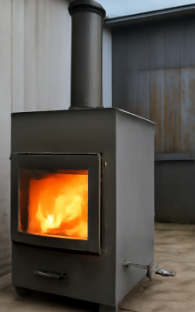
Mobile incinerators are designed to minimize environmental damage through controlled combustion. By maintaining high combustion temperatures, these incinerators ensure that waste is incinerated completely, leaving minimal ash and reducing harmful emissions. The process of secondary burning within these units further ensures that any remaining toxins are neutralized, making mobile incinerators a more eco-friendly option compared to other methods of waste disposal. Their efficiency also reduces the need for additional disposal methods, preventing pollution from accumulating in landfills.
In remote or sensitive locations, where waste management is crucial, mobile incinerators provide a safe, quick solution while keeping environmental impact low. This is especially important when handling hazardous or medical waste, which can pose significant health risks if not disposed of properly.
Mobile incinerators offer cost-effective waste management solutions, especially when compared to stationary incinerators. While stationary units are often fixed in one location and require a significant investment in infrastructure, mobile units can be moved as needed. This makes them ideal for industries or locations where waste generation is temporary or where waste is distributed over a wide area, such as in construction sites or disaster relief operations.
For industries like agriculture, mining, or military operations, mobile incinerators help reduce transportation costs associated with moving waste to central disposal facilities. Additionally, their flexibility and portability mean businesses can avoid the expense of building permanent disposal infrastructure, making them a more budget-friendly solution in the long run.
One of the most significant benefits of mobile incinerators is their flexibility. They can be quickly deployed in a variety of locations, making them an excellent option for industries that operate in remote or temporary settings. Whether it’s a mobile clinic in a disaster zone or a mining camp in a secluded area, these units can be transported easily to where they are needed most.
Mobile incinerators are also adaptable to various types of waste. They can handle general, medical, animal, or hazardous waste, making them useful across different industries. The ability to move the incinerator to the waste rather than the other way around means waste can be dealt with efficiently at the source, reducing the risk of contamination or spread of disease.
The all-in-one design of many mobile incinerators means they come equipped with everything needed for immediate operation, such as fuel tanks and generators. This self-sufficiency allows for faster deployment and operation, minimizing downtime and improving overall productivity.
Advantage | Mobile Incinerators | Stationary Incinerators |
Environmental Impact | Minimizes emissions with controlled combustion | Often higher emissions, especially in older models |
Cost-Effectiveness | Low infrastructure cost, reduces transport fees | High installation and maintenance costs |
Flexibility | Can be moved and used in various locations | Fixed location, limited flexibility |
Ease of Deployment | Quick setup and operational | Long installation times and setup |
Waste Type Adaptability | Can handle various types of waste (general, medical, hazardous) | Typically requires multiple units for different waste types |
When choosing a mobile incinerator, the size and capacity are among the most important considerations. The amount of waste you need to dispose of directly influences which incinerator will work best for you. If you're handling smaller volumes of waste, a compact unit may suffice. However, if you're managing large quantities, you'll need a model that offers higher capacity to ensure efficiency.
It's also crucial to consider the waste types you'll be disposing of. Different waste categories, such as general waste, medical waste, or animal carcasses, may require varying amounts of space for proper incineration. A larger incinerator will not only handle more waste but will also provide better efficiency when dealing with materials that require high temperatures.
Safety is a priority when choosing any waste disposal method, and mobile incinerators are no exception. A good mobile incinerator should have several key safety features to ensure safe operation in all conditions. One essential feature is smoke-free operation. Modern incinerators are designed to minimize harmful emissions by using efficient combustion techniques. This helps reduce air pollution and ensures compliance with environmental regulations.
Safety shut-offs are also important. In case of an emergency or malfunction, an automatic shut-off feature can prevent further damage or safety hazards. Similarly, spark arrestors are vital for preventing sparks from escaping the incinerator, which could ignite nearby materials or start a fire. These features help protect both operators and the environment from potential hazards.
Portability is what makes mobile incinerators so versatile. These units are specifically designed for easy relocation, which is crucial for industries that need to move equipment frequently. Whether you’re working on a construction site, in a remote clinic, or in disaster relief efforts, you need an incinerator that can be easily transported to various locations. Look for models that are mounted on trailers or skids for the best portability.
Installation is another key factor. A mobile incinerator should be quick to set up and require minimal technical expertise. Many models come with all necessary components pre-installed, such as fuel tanks and power generators, making the installation process as simple as possible. These ready-to-use units save time and effort, allowing operations to begin without unnecessary delays.
Feature | Mobile Incinerators | Stationary Incinerators |
Size and Capacity | Available in various sizes for different waste volumes | Typically larger, suited for continuous operation |
Safety Features | Smoke-free operation, spark arrestors, safety shut-offs | Varies, may not have all safety features |
Portability | Easy to relocate, trailer-mounted, skid-mounted | Fixed location, not mobile |
Installation | Quick setup, minimal technical requirements | Longer installation times, more complex setup |
There are several portable and mobile incinerators available to meet diverse waste disposal needs. These include skid-mounted, trailer-mounted, and containerized models, each suited for different environments and waste types. Choosing the right incinerator is essential for optimizing efficiency and minimizing environmental impact. Selecting the appropriate unit depends on factors like waste volume, mobility, and safety features. For expert advice on selecting the best mobile incinerator for your needs, consider reaching out to Xinjiye. Their products are designed for flexibility, ease of use, and efficiency, providing excellent value across industries.
A: A portable and mobile incinerator is a waste disposal unit designed for mobility, allowing it to be easily moved to different locations. These incinerators are used for various waste types, including general, medical, and hazardous waste.
A: Mobile incinerators work by using high heat to burn waste material. They are equipped with features like secondary combustion to ensure that waste is disposed of efficiently while minimizing emissions.
A: Mobile incinerators offer flexibility, quick deployment, and the ability to handle waste at remote locations. They are cost-effective and provide an eco-friendly solution for waste management.
A: When choosing a mobile incinerator, consider factors like the type of waste, capacity, mobility requirements, and safety features. Ensure the incinerator is capable of handling the waste type you need to dispose of.


