


Views: 0 Author: Site Editor Publish Time: 2025-10-06 Origin: Site


Animal waste has become a significant environmental challenge. As the demand for animal products grows, so does the waste produced. This waste carries pollutants that threaten our environment, from water contamination to greenhouse gases. In this article, we will explore the harmful pollutants linked to animal waste, focusing on waste incineration as a solution. By addressing these pollutants, we can take steps towards a more sustainable agricultural future.
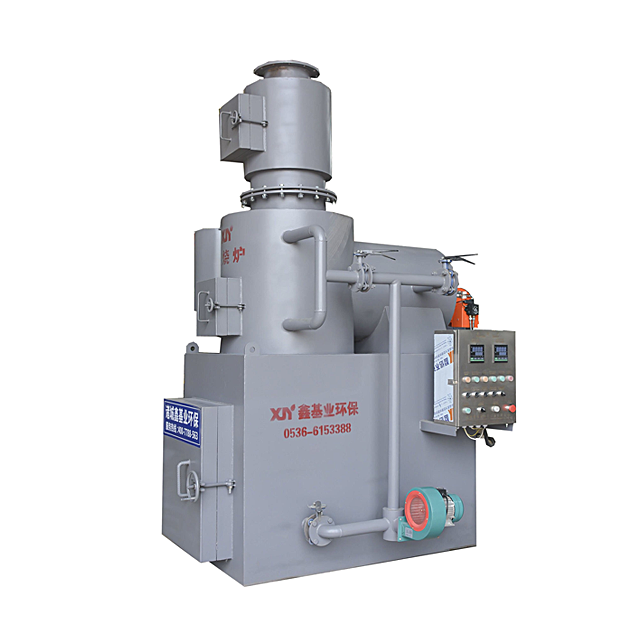
Animal waste contains several pollutants that pose serious risks to the environment. Understanding these pollutants is crucial to identifying effective mitigation strategies.
Environmental Impact on Water Bodies: Nitrogen and phosphorus are essential nutrients for plant growth, but when they enter water bodies, they can cause eutrophication. This leads to excessive algae growth, depleting oxygen levels and harming aquatic life.
Consequences for Aquatic Life and Ecosystems: Excessive nitrogen and phosphorus runoff from animal waste can disrupt the natural balance of aquatic ecosystems, leading to the decline of fish populations and the loss of biodiversity.
Spread of Harmful Pathogens: Animal waste often contains harmful pathogens, including E. coli, Salmonella, and other bacteria, which can contaminate water sources and pose risks to human health.
Increasing Concern of Antibiotic Resistance: The widespread use of antibiotics in animal farming leads to the accumulation of antibiotic-resistant bacteria in animal waste. This can transfer to humans, contributing to the global health crisis of antibiotic resistance.
Methane and Nitrous Oxide as Byproducts: Animal waste is a significant source of methane (CH4) and nitrous oxide (N2O), both potent greenhouse gases. These gases contribute to climate change by trapping heat in the atmosphere.
Role in Climate Change and Global Warming: Methane, primarily released during the decomposition of manure in manure pits, has a much greater warming potential than carbon dioxide, making its reduction critical in climate change mitigation efforts.
Sources of Toxic Substances: Animal waste can contain heavy metals like copper, zinc, and lead, which are often used in animal feed or as medications. These metals can accumulate in the soil and enter the food chain.
Effects on Soil and Groundwater: Over time, heavy metals and other toxic substances in animal waste can contaminate groundwater and soil, reducing soil fertility and harming plant and animal life.
One of the most effective ways to address the environmental impact of animal waste is through incineration. This method can help reduce pollutants by converting waste into ash, gases, and energy.
Overview of the Incineration Process: Animal waste incineration involves burning animal byproducts at high temperatures, converting organic matter into ash and gases. This process helps reduce the volume of waste and neutralizes harmful pathogens and chemicals.
How Incinerators Handle Animal Waste: Waste incinerators are equipped with advanced technologies to ensure the complete combustion of animal waste, minimizing air emissions and preventing the release of toxic substances.
Reduction of Harmful Pollutants through High-Temperature Processes: Incineration effectively destroys pathogens, heavy metals, and other toxic compounds found in animal waste, ensuring that they are not released into the environment.
Decreasing Landfill Burden and Methane Emissions: By incinerating animal waste, we reduce the amount of waste sent to landfills. This helps decrease methane emissions from waste decomposition and reduces landfill space requirements.
Energy Consumption and Emissions: Although incineration reduces waste volume, it requires significant energy. The process itself can generate emissions, including carbon dioxide and other pollutants, depending on the efficiency of the incinerator.
Feasibility and Economic Concerns: Incineration systems can be costly to install and operate. This makes it more difficult for smaller farms or developing regions to implement such technologies, limiting their widespread adoption.
Comparing Incineration with Composting and Anaerobic Digestion: While incineration has its advantages, other methods like composting and anaerobic digestion offer different benefits. Composting can help turn animal waste into nutrient-rich fertilizer, while anaerobic digestion can produce biogas, a renewable energy source.
Benefits and Drawbacks of Each Method: Incineration provides quick waste reduction and pathogen elimination, but it is energy-intensive. Composting is environmentally friendly but slower, while anaerobic digestion offers energy production but requires specific infrastructure.
| Treatment Method | Environmental Impact | Benefits | Drawbacks |
|---|---|---|---|
| Incineration | High emissions potential, energy-intensive | Quick reduction, pathogen elimination | Expensive, energy consumption |
| Composting | Minimal emissions, beneficial to soil | Environmentally friendly, produces fertilizer | Slower process, limited by space |
| Anaerobic Digestion | Produces methane, reduces greenhouse gases | Renewable energy production, reduces waste volume | Requires specific infrastructure |
Addressing the pollutants associated with animal waste requires strong policies and continuous innovation in waste management technologies.
Role of Laws in Controlling Pollutants from Animal Waste: Governments around the world have implemented regulations to control the disposal of animal waste and reduce its environmental impact. These regulations set limits on nutrient runoff, waste treatment methods, and emissions from incineration.
International Examples of Successful Policies: The European Union’s Nitrates Directive, for instance, limits the amount of nitrogen that can be used in agriculture, helping reduce runoff and water contamination. Similarly, various countries have adopted waste incineration standards to ensure air quality and reduce environmental impact.
New Technologies Improving Incineration Efficiency: Recent innovations in incineration technology have focused on improving energy efficiency and reducing emissions. Advances include better combustion systems, energy recovery techniques, and pollution control technologies.
Emerging Solutions to Reduce Environmental Footprint: Technologies like advanced filtration systems and carbon capture mechanisms are being developed to further minimize the environmental footprint of incineration.
Farmers and the agricultural industry have a critical role in implementing sustainable waste management practices that reduce environmental harm.
On-Farm Strategies for Reducing Waste Pollution: Farmers can adopt best practices like proper manure storage, spreading waste on fields at optimal times, and using waste for biogas production. These strategies can help reduce the release of pollutants into the environment.
Integrating Sustainable Farming Practices: Sustainable practices, such as rotating livestock and using organic fertilizers, can also help manage animal waste more effectively while improving soil health.
Financial and Regulatory Incentives for Farmers: Governments can provide financial incentives for farmers to adopt waste treatment systems like incinerators or anaerobic digesters. These incentives can help offset the initial investment costs and encourage more widespread adoption of sustainable waste management technologies.
Case Studies of Successful Adoption of Incineration Systems: Successful case studies from regions that have implemented waste incineration systems show that when farmers have access to the right technology and support, they can effectively reduce waste-related pollutants.
Consumers play a pivotal role in promoting sustainable farming and waste management practices by making informed choices.
Importance of Consumer Awareness in the Supply Chain: Educating consumers about the environmental impact of animal waste can encourage responsible consumption of animal products. Consumers who prioritize sustainability can drive demand for eco-friendly farming practices.
Encouraging Responsible Consumption of Animal-Based Products: Consumers can support sustainable farming by choosing products that come from farms employing responsible waste management techniques, such as waste incineration and biogas production.
How Consumers Can Support Eco-Friendly Agricultural Practices: By choosing products from farms that prioritize sustainability, consumers can help reduce the environmental impact of animal waste.
Role of Certifications and Labels in Consumer Choices: Certifications like organic or eco-friendly labels can help guide consumers toward more sustainable products, encouraging more farmers to adopt responsible practices.
Animal waste poses serious environmental challenges, such as water contamination and greenhouse gas emissions. Tackling these pollutants requires a comprehensive approach, including incineration, government regulations, and innovative technologies. Both farmers and consumers play vital roles in promoting sustainability. XJY's waste management solutions provide valuable products that support environmental protection, helping reduce the impact of animal waste for a more sustainable agricultural system.
A: Animal waste contains pollutants like nitrogen, phosphorus, pathogens, greenhouse gases, and heavy metals, all of which can harm the environment.
A: Waste incineration helps reduce animal waste volume, neutralize harmful pathogens, and prevent the release of toxic substances into the environment.
A: Incineration effectively eliminates pollutants by burning animal waste at high temperatures, reducing the impact of harmful substances like methane and pathogens.
A: Yes, composting and anaerobic digestion are alternative methods, though incineration offers quicker pollutant elimination and waste reduction.
A: Waste incinerators help reduce methane emissions, decrease landfill space, and destroy toxic compounds in animal waste, contributing to a cleaner environment.


