


Views: 0 Author: Site Editor Publish Time: 2025-09-23 Origin: Site


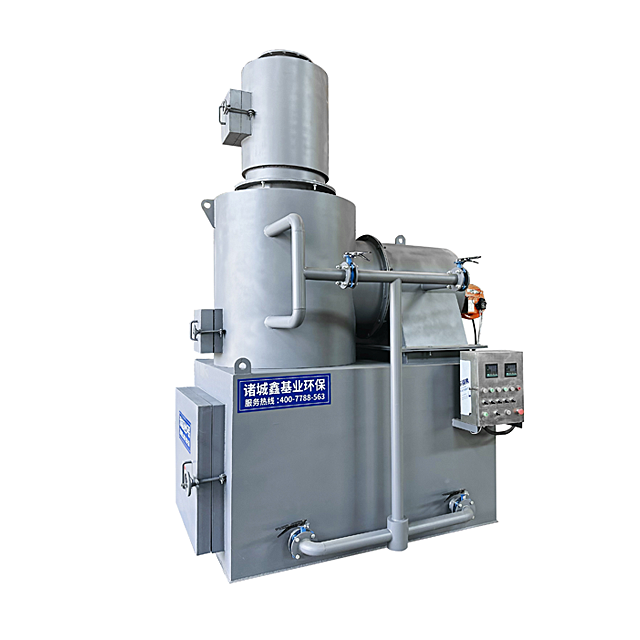
In today's digital world, protecting sensitive data has never been more critical. Businesses face increasing challenges in securely disposing of confidential waste. Failing to do so can lead to data breaches, legal consequences, and reputational damage.
In this article, we will explore why incineration is the ideal method for securely disposing of confidential waste. You will learn about its security benefits, regulatory compliance, environmental impact, and cost-effectiveness.
Confidential waste refers to materials that contain sensitive information which, if exposed, could lead to identity theft, fraud, or other malicious activities. Common examples of confidential waste include:
● Personal identification information (e.g., social security numbers, addresses)
● Financial records (e.g., bank statements, invoices)
● Legal documents (e.g., contracts, court papers)
● Employment records (e.g., pay slips, personnel files)
● Medical and health records (e.g., patient histories, prescriptions)
As businesses increasingly transition to digital operations, the volume of confidential waste has skyrocketed, creating significant challenges in securely disposing of this information. Despite the rise in digital storage and communication, businesses still generate large amounts of paper records that must be disposed of properly. Additionally, the rise in e-waste, such as old computers, hard drives, and mobile devices, contributes to the growing problem of confidential waste.
If not disposed of correctly, confidential waste poses a high risk of data breaches and identity theft. For instance, improperly discarded paper records or outdated hard drives can be recovered and misused by criminals. The repercussions of such security lapses are severe and can include financial losses, loss of client trust, and costly legal consequences.
Tip:To minimize risks, businesses should implement a secure, standardized process for handling confidential waste, with incineration as the cornerstone of their destruction strategy.
The ultimate goal of disposing of confidential waste is to ensure that sensitive data is completely destroyed and irretrievable. Among various disposal methods, incineration stands out for its ability to achieve total destruction. Unlike shredding, which can leave behind recoverable fragments, incineration guarantees that materials are reduced to ash and gases, leaving no trace of confidential data behind.
One of the major benefits of incineration is its ability to ensure total destruction of all types of confidential materials. High-temperature incineration reduces paper, electronics, and other materials to ash, with no opportunity for data recovery. This ensures that sensitive information cannot be reconstructed or retrieved by malicious actors.
Moreover, incineration provides businesses with clear visual confirmation that the destruction process has been completed. When performed on-site, it offers added security, as the business can personally oversee the entire process. This visual proof of destruction and the inability to recover materials provide businesses with peace of mind, knowing that they have fully complied with data protection regulations and secured their sensitive information.
Incineration offers a significant advantage in terms of versatility. Unlike other disposal methods, such as shredding or recycling, which may require sorting or different handling processes for paper, electronics, and hard drives, incineration can handle all types of confidential waste in a single process. Whether it's paper documents, hard drives, optical media, or electronic waste, incineration can destroy them all without the need for additional sorting or pre-treatment.
This versatility makes incineration the most efficient and cost-effective method of disposing of confidential waste for businesses handling diverse materials. Whether you're disposing of old financial records, obsolete data storage devices, or other confidential materials, incineration ensures that everything is securely destroyed in one go.
Another compelling reason why incineration is the ideal disposal method for confidential waste is its ability to meet various legal and regulatory requirements. Many industries are subject to strict regulations regarding the destruction of sensitive documents and data. For example, in Europe, businesses must comply with the General Data Protection Regulation (GDPR), which mandates that personal data be destroyed when it is no longer needed.
Incineration is widely recognized as a compliant method for destroying confidential waste, as it provides irreversible destruction of materials and leaves no trace of sensitive information. By utilizing incineration, businesses can ensure they are meeting their legal obligations and protecting themselves from the potential penalties and legal repercussions associated with non-compliance.
Tip:Businesses should prioritize incineration as a method for confidential waste destruction to ensure compliance with data protection regulations and avoid costly penalties.
While outsourcing the disposal of confidential waste to third-party vendors is an option, there are several compelling reasons why businesses should consider investing in an on-site incinerator.
Outsourcing confidential waste disposal can be costly over time, especially for businesses that generate large volumes of waste. In addition to paying for waste management services, businesses may incur extra fees for transportation and landfill taxes. These costs can add up quickly.
On the other hand, investing in an on-site incinerator can significantly reduce long-term expenses. While the initial investment in equipment may be substantial, the cost savings over time—by eliminating the need for external vendors and transportation—make on-site incineration a cost-effective solution. Additionally, businesses that use incineration can potentially reduce landfill contributions, which can lower environmental taxes and promote sustainability.
By eliminating the need to transport confidential waste to external vendors, businesses can also reduce the risk of data leaks or breaches during transportation.
One of the most significant risks associated with outsourcing confidential waste disposal is the potential for data mishandling or theft during transportation or while the waste is in the hands of third-party vendors. Even when a third-party vendor is trustworthy, relying on external services introduces a layer of vulnerability.
By opting for on-site incineration, businesses gain full control over the destruction process. There is no risk of data being mishandled during transport, and businesses can oversee the process to ensure proper destruction. Additionally, on-site incineration allows businesses to destroy confidential waste as soon as it is generated, preventing any delays or breaches in security.
Note:On-site incineration offers businesses a higher level of control over the disposal process, reducing external risks and ensuring security.
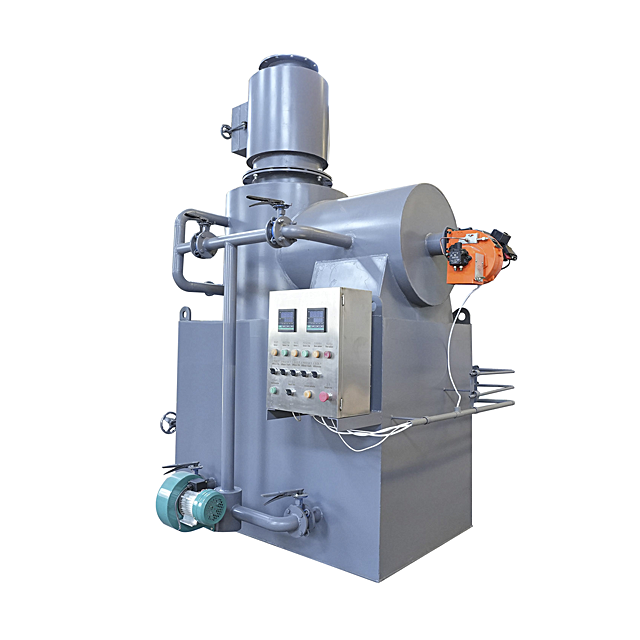
In recent years, data breaches and identity theft have become increasingly common. Improper disposal of confidential waste is often a contributing factor in these incidents. For example, discarded paper documents or outdated hard drives containing sensitive data can be easily retrieved by criminals, leading to significant financial and reputational damage.
Incineration provides a secure solution to this problem by ensuring that all sensitive materials are destroyed beyond recovery. Even the most advanced data recovery techniques cannot retrieve information from materials that have been incinerated. Therefore, by choosing incineration for the destruction of confidential waste, businesses can significantly reduce the risk of data breaches and identity theft.
Real-life examples highlight the devastating effects of data theft. For example, numerous cases have been reported where personal financial records, medical histories, or corporate data were improperly discarded, leading to criminal activity. Had these materials been properly destroyed via incineration, the risks of such incidents could have been prevented.
Implementing incineration for confidential waste disposal requires careful planning and adherence to safety protocols. Businesses must ensure that their incineration process is carried out safely, efficiently, and in compliance with local regulations.
When choosing an incinerator for confidential waste disposal, businesses should consider several factors, including:
● Capacity: Ensure the incinerator is capable of handling the volume of waste generated by your business.
● Type of materials: Choose an incinerator that can handle the specific types of confidential waste you generate (paper, electronics, hard drives, etc.).
● Compliance: Verify that the incinerator complies with local environmental and safety regulations, including emissions standards.
● Size and portability: Depending on the scale of your operations, you may opt for a stationary or mobile incinerator.
Using an incinerator requires proper training and safety protocols to minimize risks. Staff should be trained on the safe operation of the equipment, including fire safety measures and emergency protocols. Businesses must also adhere to environmental regulations, ensuring that the incineration process does not release harmful emissions into the atmosphere.
Additionally, businesses should ensure that their incineration process is well-documented to maintain a chain of custody for the destroyed materials, providing legal protection in the event of an audit or investigation.
In conclusion, incineration is the ideal disposal method for confidential waste, ensuring complete destruction, regulatory compliance, and cost-effectiveness. By choosing incineration, businesses can securely eliminate risks like data breaches and identity theft. On-site incineration also provides greater control, reduces external risks, and offers long-term savings.
As data protection laws evolve, adopting an effective disposal strategy is essential. Incineration helps businesses protect sensitive information, maintain their reputation, and comply with legal requirements.
If your business handles confidential waste, consider incineration as a secure and reliable solution. Zhucheng Xinjiye Environmental Protection Equipment Co., Ltd. offers high-quality waste incinerators designed to meet your needs, ensuring the safe disposal of sensitive materials.
A: Incineration is the process of burning confidential waste at high temperatures to completely destroy sensitive data. It is ideal because it ensures total destruction, preventing data recovery, and guarantees compliance with legal standards for secure disposal.
A: A confidential waste incinerator works by using high heat to break down paper, electronic media, and other materials. This process eliminates all traces of sensitive information, ensuring secure destruction of confidential waste.
A: Incineration offers more security than shredding. While shredding leaves behind physical remnants, incineration turns confidential waste into ash and gases, making data recovery impossible and ensuring complete destruction.
A: Yes, incineration can be more cost-effective than outsourcing waste disposal. By using an on-site confidential waste incinerator, businesses save on external service fees, landfill costs, and potential fines for improper disposal.
A: Incineration meets the legal requirements for the destruction of confidential documents. Many industries recognize it as the most secure and compliant method, protecting businesses from legal penalties related to improper data disposal.
A: While incineration is an effective method for securely disposing of confidential waste, it also reduces landfill contributions. Properly managed incineration minimizes environmental impact by converting waste to ash, preventing pollution from unprocessed materials.


