


Views: 0 Author: Site Editor Publish Time: 2026-01-01 Origin: Site


Asia faces a growing waste crisis, and traditional solutions are struggling to keep up. Can incineration be the answer? As waste production continues to rise, incineration presents a potential solution to reduce waste volume and generate energy.
In this article, we will explore how incineration could help Asia tackle its waste management challenges. You will learn how this technology can transform waste into a valuable resource while addressing environmental and economic issues.
Asia's population is increasing rapidly, with more people than any other continent. As a result, the volume of waste generated is also growing. Urbanization has led to higher consumption rates, with more goods being produced and discarded. These factors strain traditional waste disposal systems, and many cities in Asia face significant difficulties managing this waste effectively.
In countries like India and China, rapid industrialization and the rise of disposable consumer products have exacerbated waste production. This trend is expected to continue, making it increasingly important to find sustainable solutions for waste management.
Many Asian countries struggle with outdated or underdeveloped waste management infrastructure. Landfills, often the go-to method for waste disposal, are quickly reaching capacity in many regions. In some areas, waste is simply dumped, leading to environmental hazards like contamination of water supplies and the spread of diseases. The infrastructure required to manage waste effectively is often inadequate or poorly maintained, which exacerbates the waste problem.
Additionally, open burning of waste is common in some parts of Asia, leading to air pollution and harmful emissions. The need for more modern, efficient solutions is clear.
The environmental consequences of poor waste management in Asia are significant. Landfills release harmful gases like methane, contributing to global warming. The mismanagement of medical and industrial waste also poses severe health risks to local populations, with diseases spreading through unsafely disposed waste. These issues underscore the importance of adopting more sustainable and safer waste management methods, such as incineration.
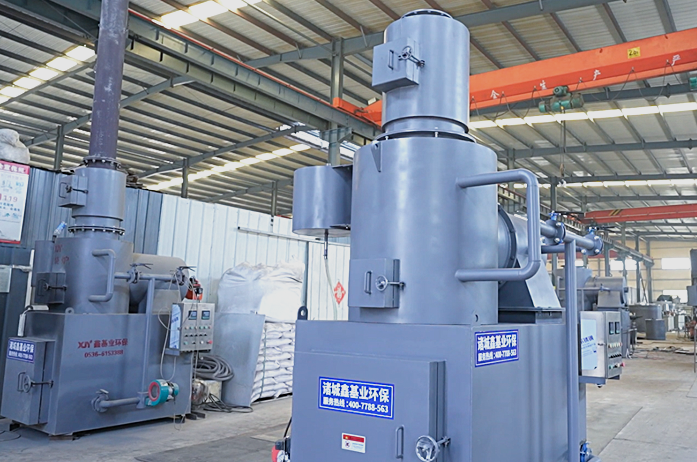
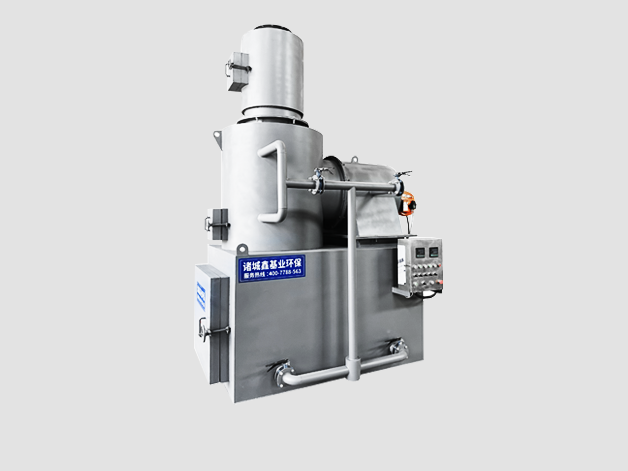
Incineration is a waste treatment process that uses high temperatures to burn waste, reducing it to ash and gases. The incineration process can reduce the volume of waste by up to 90%, making it an effective way to manage large amounts of refuse. Modern incinerators are equipped with advanced emission control systems to ensure that the process is safe and environmentally responsible.
The waste is first shredded and preheated to ensure that the combustion process is as efficient as possible. It is then burned in a furnace where temperatures reach up to 1,000°C. The resulting gases pass through a secondary chamber where any remaining pollutants are burned off, ensuring that harmful emissions are minimized.
Incineration offers several key advantages over traditional waste disposal methods in Asia. First and foremost, it significantly reduces waste volume. In many parts of Asia, landfills are rapidly filling up and becoming less effective. Incineration reduces the need for landfills, helping to preserve land and reduce the environmental impact of waste accumulation.
Another key benefit is the potential to generate energy from waste through waste-to-energy technologies. The heat generated from incineration can be converted into electricity, providing a sustainable energy source that can be used to power homes, businesses, or even entire cities.
Incineration can also help mitigate the health risks associated with poorly managed waste. By safely disposing of hazardous materials, medical waste, and other dangerous refuse, it prevents the spread of diseases and reduces public health risks.
Incineration presents a more efficient and sustainable alternative to traditional methods like landfilling and open burning. Landfills take up valuable land and can leak harmful chemicals into the environment. Open burning is widespread in many Asian countries, releasing dangerous pollutants like carbon monoxide, dioxins, and furans into the air.
In contrast, incineration can reduce waste volume by up to 90%, significantly lowering the environmental footprint. Moreover, modern incinerators equipped with advanced filtration systems help minimize harmful emissions, making them much safer for both the environment and public health.
Method | Advantages | Disadvantages |
Incineration | Reduces waste volume, generates energy, and controls emissions. | High initial infrastructure costs, public resistance to the process. |
Landfills | Low setup cost, simple technology. | Takes up large amounts of space, causes environmental harm over time. |
Incineration can be more cost-effective than traditional waste disposal methods in the long run. While the initial investment in building incineration plants can be high, the operational costs are often lower compared to landfilling. Incineration reduces the need for transportation and land acquisition for landfills, both of which can be costly and inefficient.
Furthermore, the energy generated through waste-to-energy technology can help offset some of the operating costs. As Asia's economies continue to grow, the cost of traditional waste management will only rise, making incineration an increasingly attractive option.
The implementation of incineration plants can create numerous job opportunities in both the public and private sectors. From plant construction and maintenance to the operation of waste-to-energy systems, incineration facilities can contribute to local economies and provide sustainable employment.
Furthermore, as the demand for waste management solutions grows across Asia, investing in incineration infrastructure could drive innovation and stimulate economic growth. Companies that provide incineration technologies and services will be positioned to meet the needs of a rapidly urbanizing population.
In addition to waste disposal, incineration can also help meet Asia's growing energy demands. As cities become more populous, the demand for energy continues to increase. Waste-to-energy technologies can transform waste into a renewable energy source, reducing the need for non-renewable energy sources like coal or natural gas.
Countries like Japan and Singapore have successfully implemented waste-to-energy plants, producing electricity from waste and providing a sustainable energy solution. As Asia faces growing energy needs, waste-to-energy systems could play a crucial role in meeting these demands.
Incineration directly addresses the problem of landfill overflow. By significantly reducing the volume of waste, incineration helps prevent the need for new landfills and minimizes the environmental damage caused by landfills. It also reduces the methane emissions associated with landfill decomposition, a potent greenhouse gas that contributes to climate change.
Modern incinerators are equipped with advanced emission control technologies that ensure the combustion process is clean and environmentally responsible. These technologies capture harmful emissions, such as dioxins and furans, and prevent them from being released into the atmosphere.
The integration of waste-to-energy technology adds another layer of environmental benefit. By converting waste into electricity, incineration helps reduce reliance on fossil fuels, supporting Asia's transition to a greener, more sustainable energy future.
Properly managed incineration plants can drastically reduce the pollution associated with open burning and landfills. By controlling emissions and safely disposing of hazardous waste, incineration helps mitigate the public health risks that arise from improperly managed refuse.
Moreover, the high temperatures involved in the incineration process ensure that medical and industrial waste is completely destroyed, preventing the spread of harmful diseases and toxins.
Environmental Benefit | Explanation |
Reduction in Landfill Use | Incineration reduces the need for landfills, conserving land. |
Lower Methane Emissions | Incineration reduces methane emissions associated with landfills. |
Energy Recovery | Waste-to-energy technology allows for energy generation from waste. |
Decreased Air Pollution | Advanced incineration reduces harmful emissions compared to open burning. |
One of the main barriers to implementing incineration in Asia is the high upfront cost of building incineration facilities. While these costs are often justified by the long-term benefits, many developing countries face financial constraints that make it difficult to invest in such infrastructure.
Despite its many benefits, incineration faces resistance in some regions due to public concerns about air pollution and environmental impact. Many people associate incinerators with harmful emissions, even though modern facilities are equipped with advanced pollution control systems. Public education and transparency are essential to overcoming these concerns and gaining public support for incineration.
To ensure that incineration is a safe and effective solution, robust regulatory frameworks must be in place. Governments must establish clear guidelines for incinerator design, operation, and maintenance to ensure that emissions are controlled and the plants operate efficiently.
Japan has long been a leader in waste management, using incineration to handle a significant portion of its waste. The country has developed state-of-the-art incineration plants that generate energy and reduce waste volume while adhering to strict environmental standards.
Singapore has also embraced waste-to-energy technology, using incineration to reduce waste and generate electricity. The country’s waste-to-energy plants help meet its energy needs while contributing to its efforts to reduce waste and combat climate change.
India is increasingly looking to incineration as a solution to its growing waste problem. With a rapidly urbanizing population and a lack of effective waste management infrastructure, India is turning to incineration to handle its waste more sustainably.
As technology continues to improve, the efficiency and environmental performance of incinerators are also advancing. Innovations like advanced filtration systems and waste-to-energy integration will make incineration even more viable and sustainable in the future.
Incineration will likely play an essential role in Asia’s future waste management strategies. By reducing waste volume, generating energy, and minimizing environmental impact, it aligns with the region’s goals of sustainability and resource recovery.
In the context of a circular economy, incineration offers a way to recover energy and resources from waste, reducing the need for raw materials and supporting sustainable production and consumption.
Incineration offers a sustainable solution to Asia's growing waste challenges. It helps reduce waste volume, generate energy, and minimize environmental impacts. By addressing issues like overpopulation and limited landfill capacity, incineration provides significant economic and health benefits.
Zhucheng Xinjieye Environmental Protection Limited Company offers advanced incineration technologies, helping countries in Asia effectively manage waste and reduce environmental harm while providing reliable, efficient solutions.
A: Incineration is the process of burning waste at high temperatures, reducing it to ash and gases. It helps Asia by minimizing waste volume, generating energy, and reducing reliance on landfills.
A: Incineration helps reduce waste volume by up to 90%, minimizing landfill use and pollution. It also generates energy, making it an environmentally sustainable waste management option for Asia.
A: Incineration reduces long-term waste management costs by minimizing landfill needs. It can also create jobs and generate energy, supporting economic growth in rapidly urbanizing Asian countries.
A: High initial costs and public resistance are challenges for incineration in Asia. However, with proper education and regulation, these barriers can be overcome to make incineration a viable solution.
A: Compared to landfills, incineration reduces waste volume significantly and minimizes environmental impact. Unlike open burning, it also uses advanced technologies to control emissions and protect public health.


