


Views: 0 Author: Site Editor Publish Time: 2026-01-07 Origin: Site


Hospital incinerators play a crucial role in safeguarding healthcare workers. Have you ever wondered how these systems help prevent dangerous infections? In this article, we’ll explore how incinerators ensure that medical waste is safely disposed of. You’ll learn how they protect workers from exposure to hazardous materials and enhance hospital safety.
Hospitals generate a wide range of waste, from infectious materials to hazardous chemicals. Proper disposal of these materials is crucial to prevent contamination and ensure a safe working environment for healthcare workers. Hospital incinerators are designed to safely handle and destroy these different types of medical waste, playing a key role in waste management. Incineration reduces the volume of waste and neutralizes harmful substances, helping to minimize health risks associated with improper disposal.
Hospitals deal with various types of medical waste that need careful handling. These include:
● Infectious waste: This includes anything that has been contaminated with bodily fluids or pathogens, such as bandages, gloves, and contaminated syringes.
● Hazardous waste: Some medical materials, like certain pharmaceuticals and chemicals, can be toxic or corrosive.
● General waste: Non-hazardous waste, such as paper towels, packaging, and food waste, also requires disposal.
Hospital incinerators are equipped to handle these different types of waste. The high-temperature process ensures that pathogens and chemicals are destroyed efficiently, minimizing risks to healthcare workers.
Type of Waste | Examples | Potential Hazards |
Infectious Waste | Blood-soaked bandages, contaminated syringes | Risk of spreading infections and diseases |
Hazardous Waste | Expired medications, chemical containers | Risk of toxic exposure and chemical burns |
General Waste | Paper towels, food waste | Lesser risk but still needs proper disposal |
Incinerators use intense heat (typically around 1,000°C to 1,200°C) to burn medical waste. This high temperature ensures that harmful pathogens such as viruses, bacteria, and fungi are killed, and hazardous chemicals are broken down. The heat also reduces the volume of the waste, converting it into ash and gases that are easier to manage.
The incineration process includes:
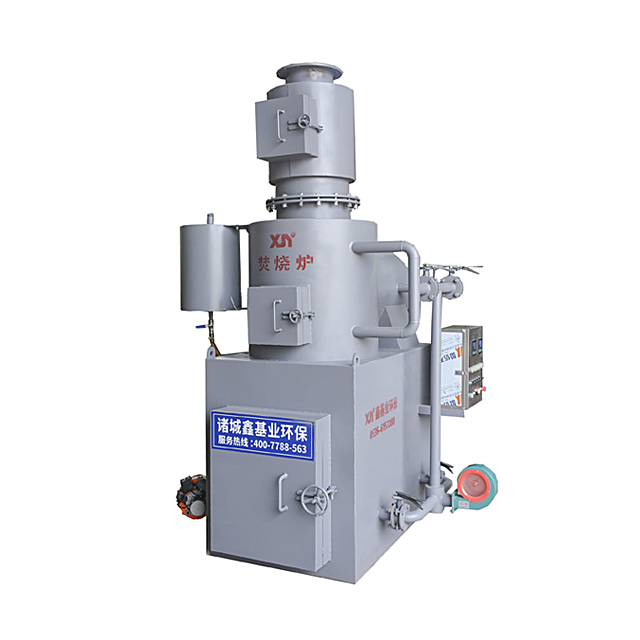
● Combustion chamber: The medical waste is loaded into the combustion chamber, where it is subjected to extreme heat in a controlled environment. This chamber is designed to maintain the high temperatures required for efficient burning, ensuring that all waste is incinerated completely.
● Flue gas treatment: During the combustion process, gases are produced as a byproduct. These gases can contain harmful pollutants such as dioxins, furans, and particulate matter. To prevent these harmful substances from being released into the environment, incinerators are equipped with advanced filtration systems. These systems, which may include scrubbers, electrostatic precipitators, or baghouses, capture and neutralize the harmful emissions before they exit the incinerator.
By reducing the volume of waste and neutralizing harmful substances, hospital incinerators help minimize the risks of contamination. This process is essential in safeguarding the health of hospital staff and patients, as it ensures that potentially dangerous medical waste is safely and effectively disposed of.
While other methods like autoclaving and landfilling can be used for waste disposal, incineration remains one of the most effective ways to ensure the complete destruction of hazardous materials. Autoclaving, which uses steam to sterilize waste, is effective for some types of medical waste but may not be as efficient in dealing with chemical or pharmaceutical waste. Landfilling, on the other hand, does not address the need to destroy pathogens or harmful substances.
Tip: Hospital incinerators are considered the gold standard for ensuring the complete destruction of medical waste and preventing exposure to healthcare workers.
Hospital incinerators are vital in reducing the health risks posed to healthcare workers by effectively handling and disposing of medical waste. This section explores how incinerators help protect healthcare workers by reducing exposure to infectious materials, preventing injuries from sharp objects, and ensuring the safe disposal of hazardous chemicals. With the right incineration process, hospitals can provide a safer environment for their staff and patients.
Infectious waste, such as blood-soaked bandages, needles, and syringes, is a common hazard in hospitals. If not disposed of properly, it can spread infections among healthcare workers. Incinerators effectively destroy these waste materials, killing harmful pathogens such as HIV, Hepatitis B, and other infectious agents. By using incinerators, hospitals can significantly reduce the risk of cross-contamination and infection in the workplace.
Needlestick injuries are a significant concern for healthcare workers, as they can lead to the transmission of bloodborne pathogens. Incinerators play a critical role in disposing of sharp objects like needles and scalpels. These objects are safely destroyed in the high temperatures of the incinerator, preventing any accidental exposure. This ensures that healthcare workers do not come into contact with contaminated needles or other sharp objects that could pose a risk of injury.
Pharmaceutical waste, such as expired medications, is common in hospitals. These substances can be toxic and dangerous if not disposed of properly. Incinerators provide a controlled environment for the safe destruction of pharmaceutical waste, preventing the release of harmful chemicals into the environment. The process also minimizes the risk of accidental exposure to healthcare workers.
Many medical waste incinerators are equipped with advanced filtration systems that capture harmful gases and particles during incineration. These systems, such as scrubbers and electrostatic precipitators, ensure that the air released into the atmosphere is free from toxic pollutants, including dioxins and furans. By effectively controlling airborne contamination, hospital incinerators reduce the potential for exposure to harmful fumes, ensuring that healthcare workers are not at risk of inhaling dangerous substances.
Tip: Modern hospital incinerators are equipped with sophisticated filtration systems that minimize air pollution and protect healthcare workers from airborne hazards.
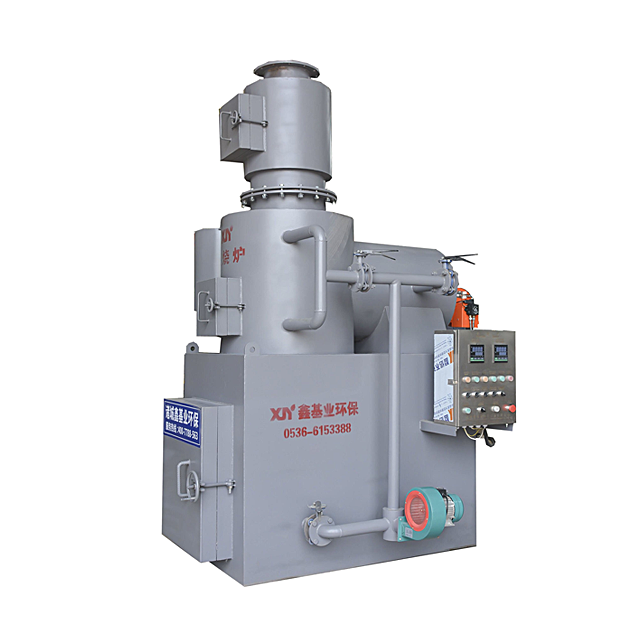
Hospital incinerators are designed with several safety features to ensure that waste is disposed of in a secure and environmentally friendly manner. These include:
Hospital incinerators use advanced emission control technologies, including scrubbers, filters, and catalysts, to reduce harmful emissions. These technologies capture gases like carbon monoxide, nitrogen oxides, and sulfur dioxide, which can be harmful to both healthcare workers and the environment. By ensuring that only clean air is released, hospitals can maintain a safer working environment for staff.
Safety Feature | Function | Impact on Worker Safety |
Scrubbers | Removes gases like sulfur dioxide and chlorine | Reduces toxic emissions, preventing exposure |
Filters | Captures particulate matter and fine dust | Ensures cleaner air and reduces airborne hazards |
Electrostatic Precipitators | Removes small particles from exhaust gases | Improves air quality, safeguarding health |
Incinerators must adhere to strict health and environmental standards set by regulatory bodies like the Environmental Protection Agency (EPA) and the World Health Organization (WHO). Regular monitoring and compliance with these standards ensure that hospital incinerators operate safely and efficiently, protecting both workers and the environment.
To maintain optimal safety, hospital incinerators require regular maintenance and inspection. Additionally, healthcare workers handling or working near incinerators must undergo proper training. This training covers safety protocols, emergency response procedures, and the correct handling of medical waste. By educating workers and ensuring that incinerators are well-maintained, hospitals can prevent accidents and enhance worker safety.
Ensuring that hospital incinerators comply with environmental and health regulations is crucial to minimizing their impact on both the environment and the workers involved in the process. Incinerators must meet strict air emission standards, which are enforced by regulatory bodies like the Environmental Protection Agency (EPA).
To maximize the effectiveness of incinerators, it’s crucial that medical waste is properly sorted and handled before incineration. Segregating infectious waste from general waste ensures that hazardous materials are destroyed effectively, while non-hazardous waste can be dealt with in a more environmentally friendly manner.
Healthcare workers should wear appropriate personal protective equipment (PPE) when handling medical waste or working near incinerators. This includes gloves, face masks, and protective clothing to minimize exposure to harmful substances.
Ongoing training and education are essential to ensure that healthcare workers understand the importance of safe waste management and the risks associated with improper disposal. Hospitals should provide regular training sessions on the safe handling of medical waste and the operation of incinerators.
Innovations in incineration technology have made it easier to handle plastic waste more efficiently and sustainably. Recent advancements, such as high-efficiency incinerators and carbon capture systems, have significantly improved the incineration process.
Incinerators are increasingly designed to be environmentally friendly, with advanced filtration systems that capture harmful emissions and prevent pollution. These incinerators help hospitals comply with environmental regulations while minimizing their carbon footprint.
Some modern incinerators are equipped with waste-to-energy technology, allowing hospitals to convert medical waste into energy. This sustainable solution reduces the overall environmental impact of waste disposal while generating energy for the hospital.
Hospitals must ensure that their incinerators comply with strict environmental safety standards, which are critical for both public health and regulatory compliance. These regulations, often set by agencies like the EPA and the World Health Organization (WHO), focus on controlling emissions, ensuring proper waste disposal methods, and minimizing the environmental impact of incineration.
Hospitals are required to monitor emissions regularly, ensuring that harmful pollutants are not released into the atmosphere. Incinerators must be fitted with the necessary filtration systems to comply with emission standards, and hospitals should maintain detailed records of incinerator operations and emissions. Regular inspections and testing help hospitals stay in compliance with local and international standards, avoiding fines and reputational damage.
The field of incineration technology has seen remarkable advancements that make waste disposal more efficient and environmentally friendly. These innovations are revolutionizing how hospitals and industries manage waste, reducing energy consumption, emissions, and improving overall waste processing capabilities. In this section, we will explore recent technological advancements in incineration systems, as well as the promising future trends shaping healthcare waste disposal solutions. These developments are creating safer, more cost-effective, and sustainable ways to handle waste.
Recent innovations in incinerator technology have led to more efficient systems that require less energy, produce fewer emissions, and offer greater waste management capabilities. These advancements make hospital incinerators safer, more cost-effective, and environmentally friendly.
The future of hospital waste disposal lies in greener and more sustainable solutions. Emerging technologies such as plasma arc gasification and advanced waste-to-energy systems offer promising alternatives to traditional incineration methods.
Hospital incinerators are essential for healthcare worker safety. These systems eliminate dangerous pathogens, chemicals, and sharp objects, reducing exposure risks. Zhucheng Xinjiye Environmental Protection Equipment Co., Ltd. provides high-quality incinerators that ensure efficient waste disposal and a safer working environment.
A: Hospital incinerators protect healthcare workers by safely destroying hazardous waste, including infectious materials, sharp objects, and toxic chemicals, preventing exposure to harmful substances.
A: Hospital incinerators handle various types of waste, such as infectious waste, pharmaceutical waste, and sharp objects, all of which are safely destroyed at high temperatures.
A: Incinerators are essential in hospitals because they eliminate pathogens and toxins from medical waste, ensuring a safer environment for healthcare workers and preventing cross-contamination.
A: Incinerators burn medical waste at high temperatures, destroying harmful pathogens such as bacteria and viruses, effectively reducing the risk of infections for healthcare workers.
A: Modern incinerators are equipped with advanced filtration systems to minimize harmful emissions. Regular maintenance and training ensure safe operation and protect workers from exposure.


