


Views: 0 Author: Site Editor Publish Time: 2025-12-30 Origin: Site


Are you looking for a more efficient way to dispose of waste?Incineration is a highly effective solution. In this article, we will walk you through the essential steps of operating an incinerator. You will learn how to properly prepare, load, and monitor the incineration process, ensuring both safety and efficiency.
Incineration is a thermal treatment process that burns waste at very high temperatures. The primary goal is to reduce the volume of waste, often by up to 90%, leaving behind sterile ash. This method is not only used to eliminate waste but also to recover energy in some cases. Incinerators are commonly used for medical, industrial, and municipal waste, where disposal in landfills would be impractical or hazardous.
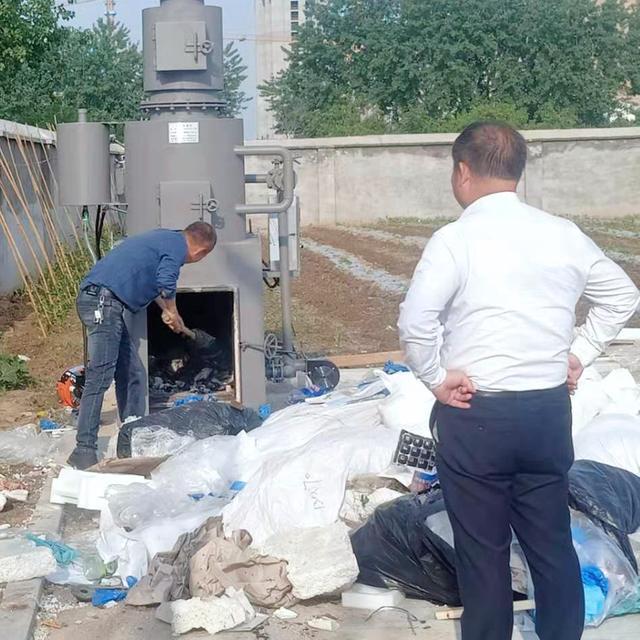
An incinerator is made up of several key components, each designed to ensure efficient operation:
● Primary Chamber: Where waste is loaded and ignited, reaching temperatures of 850°C or higher.
● Secondary Chamber: Ensures complete combustion of gases to avoid harmful emissions.
● Burners: Used to heat the primary chamber and maintain the necessary temperatures.
● Flue Stack: Directs the gases into the air for dispersion, helping minimize environmental impact.
Incineration significantly reduces waste volume, typically by 90%. This reduction is beneficial not only in terms of saving landfill space but also in controlling waste management costs. Furthermore, incineration can sanitize hazardous waste, ensuring it’s rendered harmless before disposal.
Pre-Preparation Step | Purpose | Recommended Practice |
Sorting | Remove recyclables and hazardous items | Separate metals, glass, and batteries |
Shredding | Break down waste into smaller pieces | Use appropriate shredders for waste type |
Drying | Reduce moisture content for efficient burning | Maintain moisture below 30% |
The first step in efficient incineration is sorting. It’s crucial to separate recyclable items, such as metal or glass, from the waste before incineration. This prevents valuable materials from being burned and allows for their reuse or resale. Additionally, sorting ensures that hazardous materials, such as batteries, are removed, preventing potential damage or dangerous explosions inside the incinerator.
Shredding waste into smaller pieces allows for more efficient combustion. Smaller pieces burn faster and at higher efficiency, reducing fuel consumption. After shredding, drying the waste to reduce moisture content is equally important. Excess moisture in the waste can slow down the incineration process, as energy is used to evaporate the water before combustion can occur. Ideally, the moisture content should be under 30% for optimal efficiency.
It’s crucial to determine the optimal batch size when using an incinerator. Overfilling the incinerator can lead to incomplete combustion, inefficient burns, and potential damage to the machine. Conversely, processing too small a batch wastes energy and increases operational costs. By finding the right balance, waste can be processed more efficiently, reducing both time and costs.
Step | Action | Key Considerations |
Step 1: Pre-heat | Heat incinerator to 850°C | Ensure no waste is loaded before this temperature is reached |
Step 2: Loading | Carefully load waste into incinerator | Follow safety protocols and wear PPE |
Step 3: Monitoring | Monitor temperature and burner cycles | Use automated systems if available |
Step 4: Cooling and De-Ashing | Allow for complete cooling | Ensure ash is cool before handling |
Before loading waste into the incinerator, it’s necessary to pre-heat the unit. The temperature should reach at least 850°C to ensure that harmful particles, such as dioxins or furans, are destroyed. Pre-heating also ensures that the incinerator can efficiently burn waste without producing harmful emissions.
Once the incinerator is pre-heated, the next step is loading the waste. Safety is a top priority during this stage. Operators should wear the appropriate Personal Protective Equipment (PPE), including heat-resistant gloves, safety visors, and aprons. Proper loading ensures that waste is evenly distributed within the chamber, helping to maintain an efficient burn.
Throughout the incineration process, continuous monitoring is essential to ensure the furnace operates at the correct temperature and that the combustion process is proceeding as expected. Modern incinerators often come with automated control systems that regulate temperature and burner cycles, making it easier for operators to track the status of the incineration.
After the combustion process is completed, the incinerator and the ash inside must be allowed to cool down. Handling ash while it is still hot can result in fire risks, as it could ignite. Cooling down ensures that the operator can safely remove the ash. Some modern incinerators feature automatic de-ashing systems, which reduce operator contact with the hot components.
Operating an incinerator involves high temperatures and potential exposure to hazardous materials. As such, operators must wear essential PPE, including:
● Safety visor or face mask: Protects the eyes and face from sparks and harmful fumes.
● Heat-resistant gloves: Essential for handling hot materials and preventing burns.
● Protective apron or overalls: Shields the body from splashes and burns.
● Heavy-duty boots: Safeguard feet from falling debris and sharp objects.
In addition to PPE, operators should follow safety protocols to minimize the risks associated with handling waste. Proper waste sorting and the use of tongs or automated systems to load waste into the incinerator can further reduce the chances of injury. It’s also essential to perform regular maintenance on the incinerator to prevent accidents caused by equipment malfunctions.
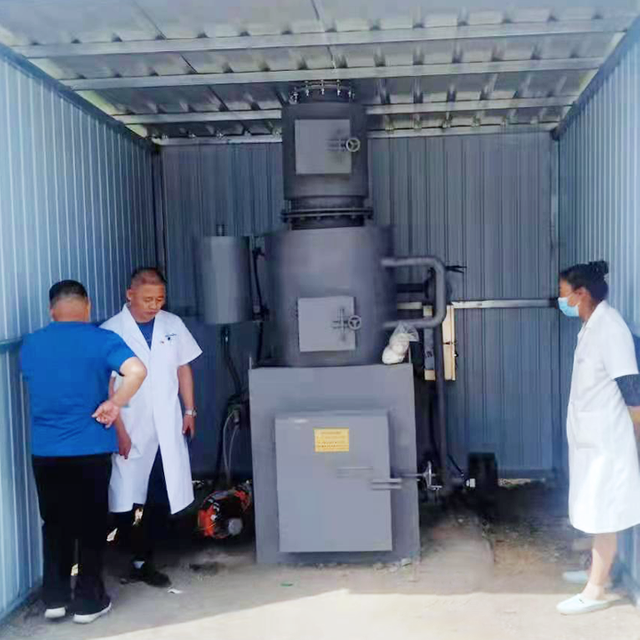
Despite the robust design of modern incinerators, issues may arise during operation. Some common problems include incomplete combustion, which can lead to increased emissions or a buildup of unburned waste. These issues can often be resolved by adjusting the burner settings, ensuring the incinerator is operating at the correct temperature, or adjusting the batch size to improve efficiency.
Regular maintenance is key to ensuring that the incinerator operates efficiently over its lifespan. Routine inspections should focus on the primary and secondary chambers, burners, and fuel lines. By identifying and addressing potential issues early, operators can avoid costly repairs and downtime.
Modern incinerators are designed to meet strict environmental regulations. They are equipped with systems to control harmful emissions, such as carbon monoxide, dioxins, and furans. Regular monitoring ensures that emissions stay within legal limits. Many incinerators also feature secondary chambers to ensure complete combustion and reduce toxic emissions.
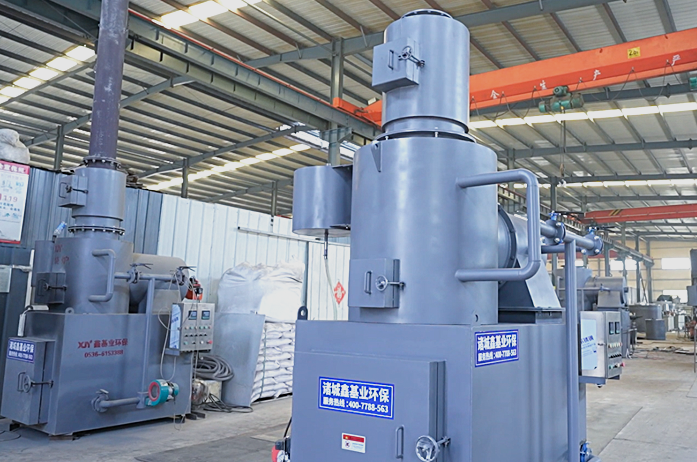
Incineration plays a crucial role in sustainable waste management. Not only does it reduce waste volume, but it can also generate electricity, making it an eco-friendly alternative to landfilling. However, it is important that incineration is conducted responsibly, with proper sorting, shredding, and drying of waste to ensure that the process is as efficient and environmentally safe as possible.
Operating an incinerator effectively requires careful preparation and monitoring. First, sort and shred waste to optimize the process. Preheat the incinerator to the required temperature and ensure proper loading. Safety measures, including PPE, are essential during operation. Regular maintenance checks prevent performance issues and ensure efficiency.
Zhucheng Xinjieye Environmental Protection Limited Company offers advanced incinerator solutions. Their products are designed for efficient, eco-friendly waste disposal, helping businesses meet environmental standards.
A: Incineration is a waste disposal process that burns materials at high temperatures to reduce them to ash and gases. This process helps minimize waste volume and can also generate energy, making it an essential part of modern waste management.
A: Preparing waste for incineration involves sorting, shredding, and drying the material. Sorting removes recyclables and hazardous items, shredding breaks waste into smaller pieces, and drying reduces moisture content for more efficient incineration.
A: Incineration reduces waste volume by up to 90%, saves landfill space, and can generate energy. It’s especially useful for handling hazardous or medical waste that requires secure disposal.
A: To ensure efficient incineration, always preheat the incinerator to the required temperature, load waste in appropriate batch sizes, and regularly perform maintenance checks on the burners and other components.
A: Wear necessary PPE, such as heat-resistant gloves, safety visors, and protective clothing. Ensure the incinerator is properly maintained and follow all safety protocols to avoid exposure to high temperatures and harmful emissions.
A: The costs of incineration vary depending on the size of the incinerator, the type of waste being processed, and the energy used. However, it can be more cost-effective than landfilling, especially for hazardous waste disposal.


