


Views: 0 Author: Site Editor Publish Time: 2026-01-09 Origin: Site


Ever wondered how incinerators safely dispose of waste? These powerful machines burn waste at extremely high temperatures, reducing harmful substances to ash and gases. In this article, we’ll explore how incinerators work, step by step, to manage waste efficiently and safely. You’ll learn key procedures and safety measures for operating an incinerator effectively.
Incinerators are specialized furnaces used to burn waste at high temperatures, typically between 1,000°C and 1,200°C. This process reduces organic waste to ash, gases, and water vapor, making it an essential tool in waste management across industries such as healthcare and municipal waste disposal. Understanding how incinerators work is crucial for ensuring safe, efficient, and environmentally responsible waste disposal.
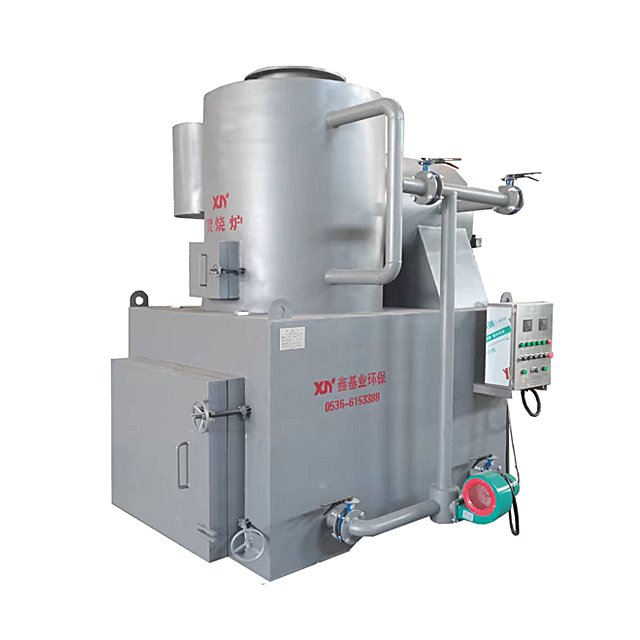
An incinerator is a furnace used for burning waste materials at high temperatures, typically between 1,000°C to 1,200°C. This intense heat breaks down organic waste and reduces it to ash, gases, and water vapor. Incinerators are used in a variety of industries, including healthcare, municipal waste management, and chemical processing, to safely dispose of waste while minimizing the risk of contamination or pollution.
There are several types of incinerators, each designed for specific types of waste and operational needs:
● Rotary Kiln Incinerators: Ideal for large quantities of waste, including hazardous materials. The rotating drum ensures continuous movement for consistent burning, making them suitable for high-volume, complex waste.
● Fixed Hearth Incinerators: Fixed hearth incinerators are typically used for smaller-scale waste disposal needs. In these systems, waste is manually loaded into a stationary combustion chamber where it is burned at high temperatures. The combustion process is more controlled compared to rotary kilns, but the waste movement is minimal. These incinerators are commonly used in situations where smaller amounts of waste, such as general hospital waste or office waste, need to be disposed of. While they are less efficient for large-scale operations, they offer a cost-effective and simpler solution for smaller waste volumes.
● Fluidized Bed Incinerators: Fluidized bed incinerators are ideal for high-volume waste disposal. They use a bed of sand or another material that is "fluidized" by blowing air through it, creating a bubbling effect. This process ensures excellent mixing of waste materials, which leads to more efficient combustion. The constant motion of the bed helps maintain even heat distribution, making it particularly effective for processing waste materials with varying characteristics. These incinerators are commonly used in industrial applications where large amounts of waste, including plastics, can be processed effectively. They are also more energy-efficient due to the high heat transfer rates of the fluidized bed.
Incinerator Type | Features | Best For |
Rotary Kiln Incinerator | Continuous waste feed, high temperature for various waste types | Large-scale industrial waste, hazardous waste |
Fixed Hearth Incinerator | Stationary combustion chamber, manual waste loading | Smaller-scale waste disposal, general waste |
Fluidized Bed Incinerator | High mixing efficiency, optimal burning conditions | High-volume waste, medical or pharmaceutical waste |
Each type has its own operational requirements and advantages depending on the material being incinerated.
Choosing the right incinerator depends on the waste type and the scale of your operation. Ensure you select the model best suited for your specific needs.
The incineration process involves preparing, loading, igniting, and burning waste at high temperatures. Temperature and oxygen levels must be monitored to ensure efficient combustion. Proper preparation, such as sorting and shredding waste, increases incinerator efficiency and reduces harmful emissions. Regular monitoring ensures safe operation and optimal performance.
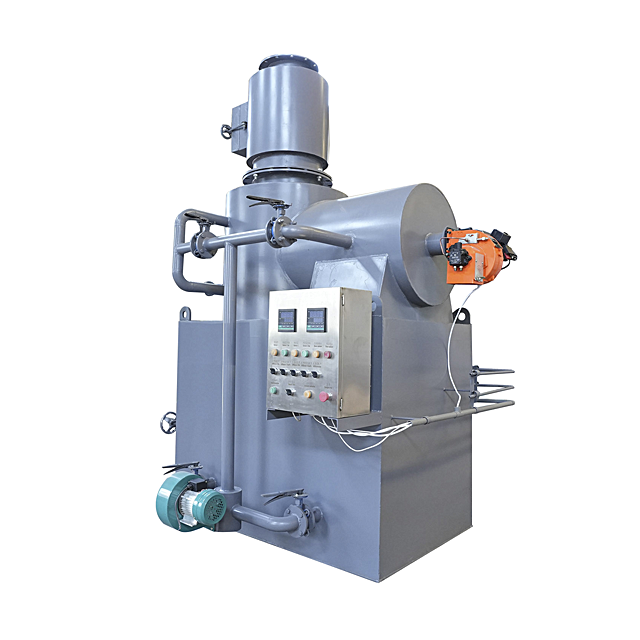
Before using an incinerator, proper preparation is essential for safe and effective operation. These preparations include:
● Waste Segregation: Sort the waste to ensure that hazardous materials are separated from non-hazardous materials. This step is crucial for the incinerator's efficiency and safety.
● Inspecting the Incinerator: Check the system for any maintenance issues. Ensure all components, such as burners and exhaust filters, are functioning correctly.
● Cleaning: Make sure the incinerator is clean to avoid blockages and ensure optimal combustion.
Correctly loading the incinerator is vital for maximizing its efficiency. Here are some best practices:
● Even Distribution: Spread waste evenly in the combustion chamber to ensure uniform heating and prevent hot spots.
● Avoid Overloading: Overloading can reduce combustion efficiency and result in incomplete burning of waste.
● Correct Waste Size: Break down large items, as small pieces burn more effectively.
Proper loading helps the incinerator perform at its best, reducing fuel consumption and improving safety.
Always follow your incinerator’s loading guidelines. Proper loading is key to achieving high combustion efficiency and reducing operating costs.
Once the incinerator is loaded, the process of burning begins. Here are the steps involved:
● Ignition: Start the incinerator by igniting the waste. This is typically done using an electric spark or a pilot flame.
● Temperature Control: The temperature should be maintained at optimal levels (usually between 1,000°C and 1,200°C) for complete combustion. High temperatures are necessary to destroy pathogens, chemicals, and other harmful substances.
● Oxygen Supply: Adequate oxygen must be supplied to sustain the combustion process. Incinerators often use forced air to ensure efficient burning.
Monitoring the process during incineration is essential to ensure that the waste is being burned thoroughly and efficiently.
To ensure that the incinerator works safely and effectively, operators must monitor several parameters during the process:
● Temperature: Regularly check the temperature to ensure it remains within the optimal range for complete combustion.
● Air Flow: Maintain a consistent air supply to the combustion chamber. If the air supply is inadequate, combustion can become incomplete.
● Exhaust Gases: Monitor exhaust gases to ensure that harmful pollutants are removed from the air through filtration systems.
Monitoring is crucial not only for operational efficiency but also for regulatory compliance, as emissions must meet environmental standards.
Regular monitoring and maintenance are essential for ensuring the longevity of your incinerator and its compliance with health and environmental regulations.
Operating an incinerator involves various safety risks, making it essential for operators to take the necessary precautions. Ensuring that safety protocols are followed, proper equipment is used, and regular maintenance is carried out can minimize accidents and environmental hazards.
When operating an incinerator, safety is a top priority. Operators must wear appropriate PPE, including:
● Heat-resistant gloves to protect hands from burns.
● Face shields or goggles to protect eyes from heat and debris.
● Fire-resistant clothing to prevent burns in case of exposure to extreme temperatures.
PPE protects workers from potential hazards such as burns, exposure to toxic fumes, and flying debris.
To ensure the incinerator operates efficiently, routine maintenance is required. Regular checks should include:
● Burner inspection: Ensure that burners are clean and functioning properly.
● Exhaust system check: Verify that the exhaust system is clear and not blocked.
● Mechanical and electrical components: Check for wear and tear, replacing parts as necessary.
Proper maintenance prevents costly repairs and ensures continuous, safe operation.
In the event of a malfunction or emergency, operators should have a clear protocol to follow:
● Power failure: Understand how to safely shut down the incinerator during a power outage.
● Fire hazards: Have fire extinguishers or suppression systems ready.
● Health risks: Know how to handle any exposure to hazardous fumes or waste materials.
Operators must be trained to handle emergencies promptly to minimize risks.
Establish a comprehensive safety protocol that all operators are familiar with to reduce the likelihood of accidents.
Incinerators must adhere to strict environmental regulations to minimize air pollution and ensure public health safety. Modern incinerators use advanced filtration systems to capture harmful emissions. Regular monitoring and certification are essential for staying compliant with environmental laws and maintaining safe operation.
To reduce the environmental impact, modern incinerators are equipped with advanced air filtration systems. These systems, such as scrubbers and electrostatic precipitators, ensure that harmful emissions, including sulfur dioxide, nitrogen oxides, and particulate matter, are removed before the gases are released into the atmosphere.
Some incinerators are designed to capture the energy produced during the combustion process. This energy can be used to generate electricity or heat, providing an eco-friendly solution that reduces reliance on traditional energy sources.
Consider investing in waste-to-energy incinerators to reduce energy costs and minimize environmental impact.
Incinerators must comply with local and international regulations regarding emissions and waste disposal. These regulations ensure that incinerators meet environmental standards and protect public health. Operators must ensure their systems are regularly inspected and certified to avoid penalties and ensure legal compliance.
Stay updated on local regulations to ensure that your incinerator is in compliance with current environmental laws and safety standards.
Even with regular maintenance, incinerators can encounter common issues that affect their performance. Identifying and addressing these problems promptly is crucial for ensuring smooth operation and minimizing downtime.
● Incomplete combustion: If the waste is not completely burned, it can result in toxic emissions or leftover waste.
● Excessive smoke: This can indicate insufficient oxygen or a malfunctioning exhaust system.
● Increase airflow: Ensure the incinerator is getting enough oxygen for complete combustion.
● Clean the exhaust system: Ensure the air filters and scrubbers are not clogged and that they are working efficiently.
Addressing these issues promptly can ensure smooth operation and reduce downtime.
Regular maintenance and quick troubleshooting can save time and money by preventing system failures.
Effective plastic incineration requires sorting by type, removing contaminants, and shredding large items. Maintaining the right temperature and oxygen supply is key to achieving complete combustion. Waste-to-energy systems help recover energy from the burning process, making it a sustainable solution for waste disposal.
To get the most out of an incinerator:
● Load waste evenly and avoid overloading.
● Maintain a consistent temperature throughout the burning process.
Maximizing efficiency reduces fuel consumption and ensures complete combustion.
● Use advanced filtration systems to reduce harmful emissions.
● Consider using waste-to-energy incinerators to recover energy from the burning process.
These measures help minimize the environmental footprint of incineration.
While incinerators can have high operational costs, efficiency improvements can help reduce these. Regular maintenance and optimized operation can minimize energy use and repair costs.
Investing in energy-efficient incinerators can reduce long-term costs and enhance environmental sustainability.
Incinerators are crucial for safe waste disposal. They efficiently reduce waste volume and eliminate toxins. Zhucheng Xinjiye Environmental Protection Equipment Co., Ltd. provides high-quality incinerators designed for optimal performance, ensuring both safety and environmental compliance.
A: An incinerator is used to burn waste at high temperatures, reducing its volume and eliminating harmful pathogens, chemicals, and toxins.
A: To safely operate an incinerator, ensure waste is properly segregated, maintain optimal temperatures, and monitor exhaust gases. Always wear appropriate PPE for protection.
A: Temperature control ensures complete combustion, preventing the release of harmful emissions and improving the efficiency of waste disposal in the incinerator.
A: Common issues include incomplete combustion, excessive smoke, and clogged filters. Regular maintenance and monitoring can help address these problems.
A: Some incinerators are designed to capture energy from the burning process, turning waste into heat or electricity, which can be used to power facilities.


