


Views: 0 Author: Site Editor Publish Time: 2025-12-23 Origin: Site


Did you know that improper disposal of expired drugs can lead to serious health and environmental issues? Many people are unaware of the risks involved with pharmaceutical waste. In this article, we will explore how expired drugs should be disposed of properly. You’ll learn about safe disposal methods and their benefits for public health and the environment.
When drugs expire, their effectiveness decreases, and they may even become harmful. For example, expired antibiotics can lead to ineffective treatment or resistance, while expired painkillers may become toxic. Improper disposal, like flushing them down the toilet, can make these drugs accessible, posing health risks to anyone who consumes them, whether intentionally or accidentally.

Drugs flushed down toilets or thrown in the trash can find their way into water systems, impacting aquatic life and contaminating drinking water. The chemicals in pharmaceutical waste are difficult to break down, and they often end up in our ecosystems, affecting both wildlife and human health.
There are laws regulating the disposal of pharmaceutical waste, including specific guidelines for healthcare facilities and pharmacies. The Environmental Protection Agency (EPA) and Drug Enforcement Administration (DEA) have established standards to prevent improper disposal. For individuals, disposing of drugs in the wrong way can result in fines and penalties.
Tip: Always use authorized disposal methods to ensure compliance with local regulations.
Disposal Method | Description | Pros | Cons |
Drug Take-Back Programs | Collection of expired drugs at designated locations. | Safe, reliable, and environmentally friendly. | Limited availability in some areas. |
Disposal in Household Trash | Mixing expired drugs with undesirable substances like coffee grounds. | Convenient and accessible. | Needs precautions to avoid accidental ingestion. |
Flushing Expired Drugs | Flushing certain expired drugs down the toilet. | Prevents misuse of high-risk drugs. | Can contaminate water sources if misused. |
One of the most responsible ways to dispose of expired drugs is through local take-back programs. These programs are often run by pharmacies, hospitals, and law enforcement agencies. They allow people to drop off unwanted or expired medications for proper disposal. Some pharmacies also offer mail-back services for convenience.
If no take-back program is available, the next best option is to dispose of the drugs in the trash. However, it's essential to follow proper steps. To prevent accidental ingestion, mix the drugs with an undesirable substance like coffee grounds or kitty litter. This makes the drugs less appealing to animals or children.
Flushing expired drugs is only recommended for certain medications that pose a high risk of misuse, such as opioids or other controlled substances. The DEA provides a list of drugs that should be flushed, but this method is discouraged for most medications due to environmental concerns.
Pharmaceutical waste refers to expired, unused, or unwanted drugs. It can also include damaged medications or substances that cannot be used due to contamination or incorrect labeling. Pharmaceutical waste is a significant concern for both healthcare facilities and individuals, as improper disposal can lead to safety hazards.
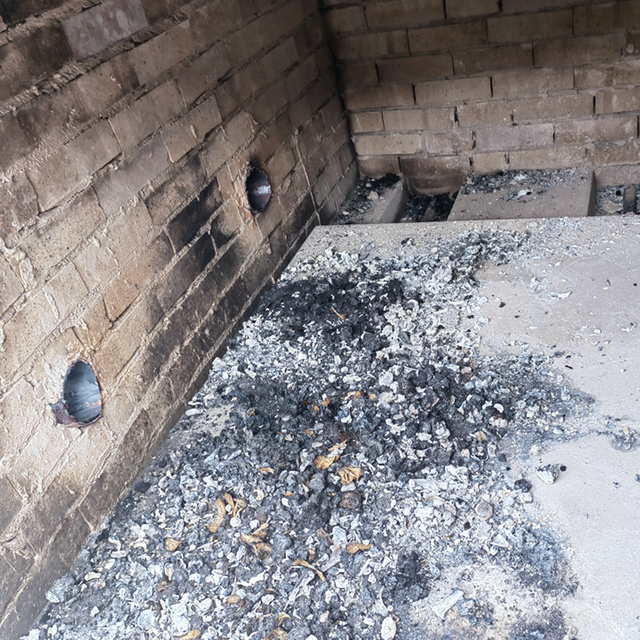
In healthcare settings, managing pharmaceutical waste is a critical task. Healthcare providers follow strict guidelines for the safe storage, handling, and disposal of pharmaceutical waste. This waste is usually separated into different categories: hazardous, non-hazardous, and controlled substances. Specialized disposal services are required to ensure that all waste is handled appropriately and in compliance with environmental and safety standards.
Tip: If you work in a healthcare setting, ensure your facility complies with local pharmaceutical waste disposal regulations.
Safe disposal of expired drugs prevents them from being accidentally consumed or abused. This reduces the likelihood of overdoses or misuse, especially among children or pets who may accidentally ingest improperly discarded drugs.
Proper disposal methods, like drug take-back programs and incineration, help prevent drugs from contaminating the environment. These methods ensure that pharmaceutical chemicals are safely handled and do not enter the water supply or soil, thus preserving the ecosystem.
Disposal Method | Advantages | Disadvantages |
Incineration | Safely destroys pharmaceutical waste. | Expensive; requires specialized facilities. |
Landfill Disposal | Economical and easy to implement. | Can lead to environmental contamination. |
Incineration is one of the most effective ways to destroy pharmaceutical waste. It involves burning the drugs at high temperatures to ensure that they are completely broken down and do not pose any environmental risk. Many waste disposal companies use incineration to safely handle pharmaceutical waste, especially for hazardous drugs.
Landfill disposal, though still used in certain cases, is one of the least favorable methods for pharmaceutical waste. Drugs disposed of in landfills can leach harmful substances, such as chemicals and active pharmaceutical ingredients, into the groundwater, which can contaminate local water supplies. This contamination poses significant risks to ecosystems and human health. Consequently, landfill disposal is discouraged unless no other safer alternatives are available, highlighting the need for more environmentally friendly methods.
As technology advances, new methods for pharmaceutical waste disposal are continually being developed to improve safety and efficiency. Innovations in advanced chemical treatments, for instance, allow for the breakdown of harmful pharmaceutical compounds into less toxic substances, ensuring safer disposal.
Additionally, modern incineration techniques have been significantly improved. These newer incinerators operate at higher temperatures, enabling the complete combustion of pharmaceutical waste. This reduces the risk of harmful chemicals being released into the environment, minimizing pollution. Emerging technologies, such as plasma arc treatment and supercritical water oxidation, are also being explored. These advanced methods break down pharmaceutical waste at a molecular level, offering more effective disposal of complex drugs that traditional methods struggle with. Together, these innovations are enhancing the effectiveness of pharmaceutical waste management while reducing environmental harm.
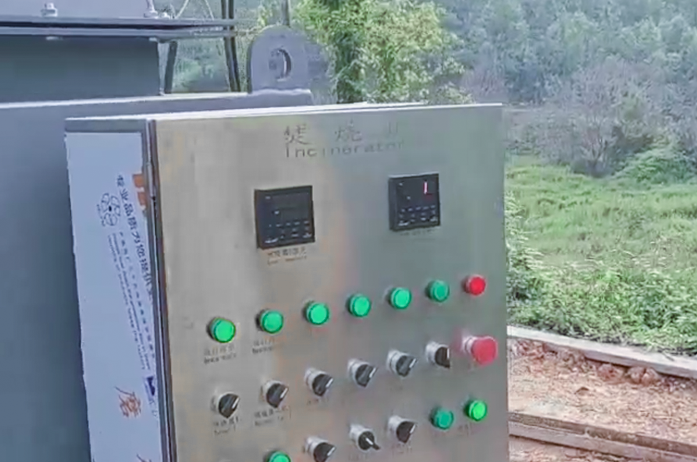
Governments and regulatory bodies are continuously strengthening policies related to pharmaceutical waste disposal. New and stricter guidelines are being introduced to reduce the environmental footprint of drug disposal. These regulations encourage the use of safer methods, such as advanced incineration and recycling, and limit the use of landfills for hazardous pharmaceutical waste.
Pharmaceutical companies, healthcare providers, and individuals are required to adhere to these guidelines, with increasing monitoring and enforcement of compliance. These developments aim to ensure that all pharmaceutical waste is managed in a way that protects both human health and the environment. By pushing for greener practices and stricter regulations, governments are playing a key role in minimizing the impact of pharmaceutical waste.
Proper disposal of expired drugs is essential to protect public health and the environment. Methods like drug take-back programs, safe disposal in household trash, and incineration help reduce risks. Zhucheng Xinjieye environmental protection limited company offers effective solutions for managing pharmaceutical waste, ensuring environmental safety and regulatory compliance. Their services help minimize the impact of expired drug disposal, providing valuable support for both individuals and healthcare facilities.
A: Pharmaceutical waste refers to expired, unused, or damaged drugs that can pose risks to health and the environment. Proper disposal is crucial to prevent misuse, accidental ingestion, and contamination of water systems.
A: Expired drugs should be disposed of through local take-back programs, mixed with undesirable substances in household trash, or flushed only if recommended. These methods ensure the safe removal of pharmaceutical waste and minimize risks.
A: Yes, but you should mix them with substances like coffee grounds or kitty litter before disposal to prevent accidental ingestion. This helps reduce the risks associated with pharmaceutical waste.
A: Take-back programs are designed to safely dispose of pharmaceutical waste, preventing environmental contamination and the risk of misuse. They ensure proper handling and destruction of drugs.
A: Expired drugs are typically incinerated to ensure complete destruction. This method safely handles pharmaceutical waste, eliminating harmful substances that could otherwise pollute the environment.
A: While some take-back programs are free, other methods, like special disposal services in healthcare settings, may incur costs. However, safe disposal of pharmaceutical waste is necessary to avoid long-term environmental and health impacts.
A: Yes, flushing expired drugs can lead to contamination of water sources. It’s a less ideal method for disposing of pharmaceutical waste, and it should only be used for specific medications recommended by the FDA.


