


Views: 0 Author: Site Editor Publish Time: 2026-01-14 Origin: Site


Medical waste poses a significant challenge for healthcare facilities and the environment. With the risk of infection and contamination, effective disposal methods are essential. One of the most reliable solutions is the use of an incinerator, which safely destroys hazardous materials. In this article, we will explore the different types of medical waste and their proper disposal methods. You'll learn about the importance of incinerators in safely managing these waste types and how healthcare providers can ensure safety and compliance.
Type of Medical Waste | Examples | Disposal Method | Recommended Treatment |
Infectious Waste | Needles, syringes, blood-soaked bandages | High-temperature incineration | Incinerators designed for infectious waste |
Hazardous Waste | Expired pharmaceuticals, mercury | Specialized incinerators | High-temperature incineration with air filtration |
Radioactive Waste | Contaminated clothing, radioactive isotopes | Specialized storage, sometimes incineration | Incinerators with radiation containment |
General Waste | Paper towels, food wrappers | Landfills or incineration | Incinerators for energy recovery |
Infectious waste is any material that has come into contact with bodily fluids, blood, or other pathogens that could pose a risk of infection. This is one of the most commonly encountered types of medical waste, making it critical for healthcare providers to handle it with care.
Examples:
● Used syringes and needles
● Blood-soaked gauze, bandages, and cotton swabs
● Laboratory samples and petri dishes containing cultures of infectious pathogens
Treatment: Infectious waste must be destroyed to prevent the transmission of diseases. Incinerators are the most effective method for treating this type of waste, as they completely destroy pathogens by exposing them to high temperatures. By burning infectious waste, incineration not only reduces its volume but also ensures the destruction of harmful microorganisms that could otherwise spread infections.
Best Practices for Managing Infectious Waste:
● Ensure waste is segregated at the point of generation to prevent cross-contamination.
● Store waste in sealed, puncture-resistant containers before incineration.
● Regularly maintain incinerators to meet the required emission standards and prevent harmful pollutants from being released into the air.
Utilizing high-efficiency incinerators with advanced filtration systems helps to minimize the risk of air pollution while ensuring the complete destruction of infectious pathogens.
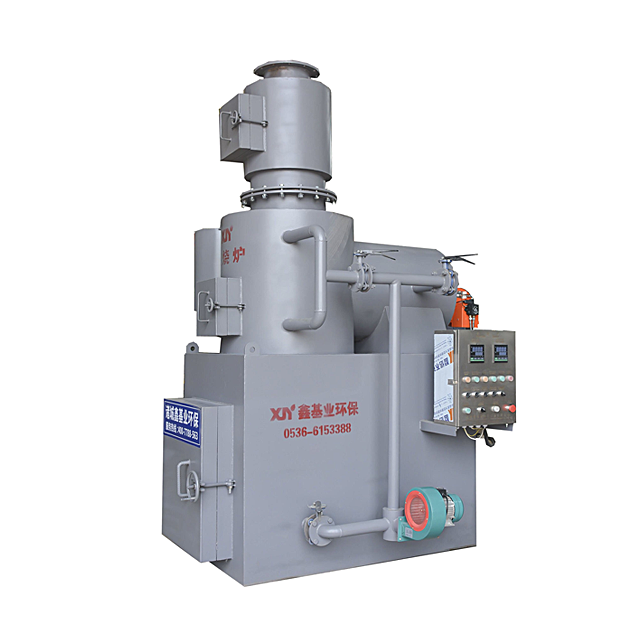
Hazardous medical waste refers to materials that are toxic, corrosive, or reactive. These substances pose a significant threat to both human health and the environment if not properly disposed of. Hazardous waste may come from pharmaceuticals, chemicals, and some types of equipment used in medical procedures.
Examples:
● Expired or unused pharmaceuticals
● Toxic chemicals, such as disinfectants or solvents
● Mercury-containing devices like thermometers and blood pressure cuffs
Treatment: Hazardous waste requires specialized treatment, often through high-temperature incineration. Unlike regular medical waste, hazardous materials can pose a risk even after disposal, making it essential for incinerators to be designed with advanced air filtration systems to handle these dangerous substances. In addition to destroying the waste, these incinerators are equipped to capture toxic gases, reducing environmental risks.
Key Considerations for Hazardous Waste Disposal:
● Hazardous waste must be carefully segregated to prevent contamination with non-hazardous materials.
● The incineration process must be tailored to the type of hazardous waste, ensuring that it is destroyed efficiently and safely.
● Regular monitoring of incinerator emissions is critical to ensure compliance with air quality standards.
Implementing a tracking system for hazardous waste disposal helps ensure accountability and proper documentation of the waste handling process.
Radioactive waste is generated during medical procedures that involve the use of radioactive materials, such as in imaging or cancer treatments. This waste requires strict control and specialized handling due to the potential risks associated with radiation exposure.
Examples:
● Contaminated materials from radiology departments, such as gloves, syringes, or protective clothing
● Unused radioactive isotopes from diagnostic or therapeutic treatments
● Medical equipment exposed to radiation
Treatment: Due to the dangerous nature of radioactive waste, it cannot simply be discarded or incinerated in regular medical waste incinerators. Specialized facilities with equipment that can handle radiation are required for the safe disposal of this type of waste. In some cases, incineration may be used if the waste has been appropriately managed, and the incinerator is designed to prevent the release of radiation into the environment.
Key Considerations for Managing Radioactive Waste:
● Healthcare facilities must follow strict guidelines for the storage and handling of radioactive materials to prevent exposure to staff and patients.
● Radioactive waste is typically stored in specialized containers and must be isolated until its radioactivity decreases to safe levels.
● It’s important to monitor the emissions of incinerators used for radioactive waste to ensure that radiation is not released.
Regular training for medical staff on the safe handling and disposal of radioactive materials is essential to prevent accidental exposure.
General waste is non-hazardous waste that is generated in healthcare settings but does not pose significant risks to human health or the environment. While this category is less concerning compared to infectious or hazardous waste, it still requires proper disposal to avoid overloading landfills and contributing to environmental pollution.
Examples:
● Paper towels, food wrappers, and plastic bottles
● Non-contaminated patient clothing and bedding
● Packaging materials from medical supplies
Treatment: General waste can typically be disposed of in landfills, but some healthcare facilities may choose to incinerate it to reduce the volume and recover energy. In this case, incinerators designed for lower-risk waste can be used.
Best Practices for Managing General Waste:
● Encourage recycling initiatives within healthcare facilities to reduce the amount of general waste generated.
● Consider implementing waste-to-energy programs to harness the energy produced from burning non-hazardous waste.
Reducing the amount of general waste through recycling and waste minimization strategies helps to alleviate the burden on landfills and supports environmental sustainability.
Sharps waste is one of the most dangerous types of medical waste due to its potential to cause physical injury and transmit infections. This category includes any objects that can puncture or cut the skin.
Examples:
● Syringes, needles, and lancets
● Surgical scalpels and glass vials
Treatment: Sharps must be collected in puncture-resistant containers and disposed of through incineration or other safe methods. Incinerators specifically designed for sharps waste ensure that these hazardous items are rendered safe before disposal.
Best Practices for Managing Sharps Waste:
● Sharps containers should be clearly labeled and placed in accessible areas for easy disposal.
● Healthcare facilities should train staff on the proper handling of sharps to minimize the risk of injury.
Implementing a no-touch technique for disposing of sharps can significantly reduce the risk of accidental injury.
Pathological waste includes human tissues, organs, and body parts that may contain infectious agents. This waste is often generated during surgical procedures and requires careful disposal to prevent contamination.
Examples:
● Amputated limbs, organs, and tumors
● Biopsy samples and discarded tissues from surgeries
Treatment: Pathological waste is typically incinerated to ensure the complete destruction of any pathogens and to reduce the volume of waste. In some cases, it may be stored in a respectful manner before incineration.
Key Considerations for Pathological Waste Disposal:
● Proper documentation and tracking of pathological waste are essential to ensure accountability.
● Facilities should prioritize respect for the dignity of the deceased when handling and disposing of pathological waste.
Using sealed, labeled containers for pathological waste ensures proper handling and minimizes the risk of exposure.
Type of Waste | Incineration Temperature Required | Key Benefits of Incineration | Disposal Method Summary |
Infectious Waste | 800°C - 1,200°C | Destroys pathogens and reduces volume | Complete destruction of harmful agents |
Hazardous Waste | 1,000°C - 1,200°C | Neutralizes toxins and reduces pollution | Specialized high-temperature incineration |
Pathological Waste | 900°C - 1,200°C | Destroys tissue and prevents contamination | High-efficiency incinerators |
General Waste | 800°C - 1,000°C | Reduces volume, recovers energy | Waste-to-energy systems for safe disposal |
Incineration involves burning waste at extremely high temperatures, typically between 800°C and 1,200°C, to reduce it to ash, gases, and heat. This method is especially effective for the destruction of hazardous, infectious, and pathological waste.
Incinerators are equipped with air pollution control systems, including scrubbers and filters, that prevent harmful gases from being released into the atmosphere. The process is carefully controlled to ensure that the waste is completely destroyed and that air quality is maintained.
Incinerators must undergo regular maintenance and testing to ensure that they are operating efficiently and within environmental standards.
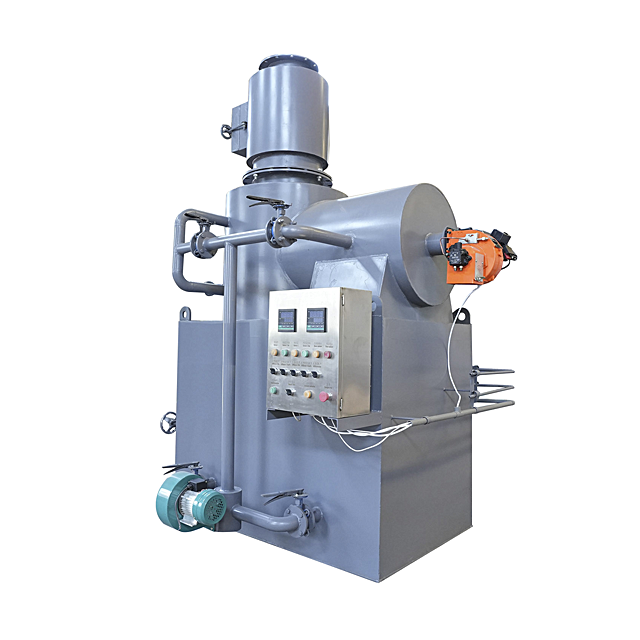
The primary environmental benefit of using incinerators for medical waste disposal is the reduction in waste volume. Incineration can reduce the volume of waste by up to 90%, which helps alleviate pressure on landfills. Moreover, incineration effectively destroys pathogens and harmful chemicals, ensuring that waste does not contribute to the spread of diseases or environmental contamination.
Incinerators equipped with advanced filtration systems also help to minimize harmful emissions, making them a cleaner option compared to other disposal methods.
Investing in high-tech incinerators with emission controls ensures compliance with environmental regulations and reduces the facility's overall carbon footprint.
Regulations for medical waste disposal vary by country, but all focus on minimizing the risk to human health and the environment. In the United States, the EPA sets guidelines for medical waste incineration, ensuring that facilities comply with air quality standards. Internationally, the World Health Organization (WHO) provides guidelines for healthcare waste management to help prevent the spread of diseases.
Healthcare providers must comply with these regulations to avoid fines and legal consequences, while also ensuring the safety of their workers and the surrounding community.
Healthcare facilities should stay up-to-date with local and international regulations to ensure compliance and reduce risks associated with improper waste disposal.
To minimize the risk associated with medical waste, healthcare providers must follow best practices for waste management, including the segregation of waste at the point of generation, proper labeling, and training of staff. Waste should be stored safely and transported securely to treatment or disposal facilities.
Best Practices:
● Segregate waste into the appropriate categories at the point of generation.
● Use color-coded bins and labels to reduce the risk of contamination.
● Train all healthcare staff on proper waste handling procedures.
Regular audits and inspections can help ensure that waste management practices remain effective and compliant with regulations.
The proper management of medical waste is essential for health and safety. Incinerators play a crucial role in efficiently destroying hazardous materials, reducing their environmental impact. Zhucheng Xinjiye Environmental Protection Equipment Co., Ltd. offers advanced incinerator solutions to assist healthcare facilities in handling waste safely and complying with environmental regulations.
A: Medical waste can be classified into several types, including infectious, hazardous, radioactive, and general waste. Each type requires specific handling and disposal methods to ensure safety and compliance.
A: An incinerator burns medical waste at high temperatures, effectively destroying harmful pathogens and hazardous materials. It reduces waste volume while preventing environmental contamination.
A: Incineration is crucial for hazardous medical waste because it neutralizes toxic substances, ensuring they are safely destroyed without posing a risk to public health or the environment.
A: Yes, an incinerator can handle various types of medical waste, including infectious, hazardous, and pathological waste. However, the temperature and filtration systems must be adjusted based on the waste type.
A: Incinerators reduce waste volume, destroy pathogens, and minimize the environmental impact of medical waste. They also provide a reliable, high-temperature method for treating hazardous materials.


