


Views: 0 Author: Site Editor Publish Time: 2025-12-12 Origin: Site


In today's world, waste management is becoming increasingly critical for businesses. As the amount of industrial wasteproduced by companies rises, so does the environmental impact. Corporate waste affects not only the environment but also a company's reputation, operational costs, and sustainability efforts.
Fortunately, businesses can reduce industrial waste by implementing simple, effective waste reduction techniques. In this article, we will explore seven easy ways to reduce corporate waste, help businesses save costs, and improve overall sustainability.
Reducing industrial waste begins by evaluating your company's supply chain. Businesses can significantly reduce waste by choosing eco-friendly suppliers and selecting products with minimal packaging. By working with suppliers that prioritize sustainability, companies can decrease packaging waste, reduce resource consumption, and support environmentally responsible practices. Mindful procurement practices, such as opting for recyclable materials and sustainably sourced products, are crucial industrial waste reduction techniques. These practices not only help the environment but also provide businesses with long-term cost savings through efficient resource management.
Another effective way to cut down on industrial waste is by switching to reusable products in the workplace. Reusable items, such as coffee mugs, office supplies, and storage containers, are a key component in waste reduction. This practice not only minimizes industrial waste from disposable products but also reduces costs over time. Reusable products can be easily integrated into any office environment, helping businesses decrease their reliance on single-use materials. By investing in durable, long-lasting alternatives, companies contribute to a more sustainable future while improving their bottom line.
Plastic waste is one of the largest contributors to industrial waste globally. Businesses can make a significant impact by minimizing the use of single-use plastics. Instead of disposable plastic items, companies can transition to sustainable alternatives like stainless steel, glass, or biodegradable plastics. These alternatives not only significantly reduce industrial waste but also reduce the environmental harm caused by plastic pollution. By eliminating single-use plastics in the workplace, businesses can foster a culture of sustainability and become leaders in waste reduction.
Practical Steps for Reducing Plastics in Business Operations
● Switch to reusable containers for food and beverages.
● Use refillable water bottles instead of bottled water.
● Adopt alternative materials like bamboo or glass for office supplies and packaging.
Instead of discarding old office furniture and equipment, businesses can upcycle these items, transforming them into useful, functional assets. By repurposing old desks, chairs, and electronics, businesses can extend the lifespan of their office furniture, reduce industrial waste, and save money. This sustainable practice not only minimizes the need for new resources but also helps prevent usable materials from ending up in landfills. Upcycling is a creative way for businesses to contribute positively to the environment while managing their operational costs.
For example, instead of purchasing new furniture, businesses can refurbish existing desks, chairs, and cabinets, giving them a fresh look. This not only saves money but also promotes a circular economy by reusing materials that would otherwise be discarded.
Packaging waste is one of the largest contributors to industrial waste. By repurposing packaging materials, businesses can significantly reduce waste while also saving money. For example, cardboard boxes can be repurposed into storage solutions for office supplies or used for organizing documents and materials. Instead of purchasing new organizational products, businesses can creatively reuse packaging materials, reducing both waste and operational costs.
Repurposing packaging materials has a dual benefit: it reduces industrial waste and cuts the need for additional packaging purchases. Companies can train employees to think of creative ways to reuse packaging materials before discarding them, furthering waste reduction efforts.
Item to Upcycle | Repurposing Idea | Benefits to Waste Reduction |
Old Office Chairs | Reupholster and refurbish for continued use. | Extends product life, reduces waste from disposal. |
Cardboard Boxes | Turn them into filing or storage boxes for office use. | Reduces packaging waste, eliminates need for new storage materials. |
Old Electronics | Donate or repurpose for other uses, like office decorations. | Avoids e-waste, reduces need for new office electronics. |
Wooden Pallets | Use for furniture or organizing office materials. | Saves on new materials, reduces wood waste. |
Conducting a waste audit is crucial for identifying areas where industrial waste can be reduced. Businesses should evaluate their waste streams, from office supplies to production waste, to uncover potential inefficiencies. This data can guide efforts to switch to more sustainable products, streamline operations, and reduce waste.
A simple yet effective way to increase recycling efficiency is to set up color-coded recycling bins. These bins help employees sort recyclables more effectively, ensuring that waste is appropriately diverted from landfills and properly recycled. This step plays a major role in industrial waste reduction.
Partnering with recycling experts ensures that recyclable materials are handled properly. Specialized waste management companies can offer collection, treatment, and recycling services that help businesses divert a significant portion of industrial waste from landfills.
Digitalizing your documentation is one of the most effective ways to reduce industrial waste. By transitioning from paper-based filing systems to electronic data storage, businesses can eliminate paper waste and enhance operational efficiency. Not only does this shift reduce the need for physical storage space, but it also fosters collaboration by allowing teams to access and share documents instantly.
Implementing digital documentation tools—such as cloud storage, digital signatures, and collaborative platforms—promotes a more organized, streamlined workflow. Moreover, digital systems are less prone to loss or damage, making them more secure than traditional paper-based systems. This change not only reduces paper consumption but also leads to more efficient work processes and a reduction in office supply costs.
Paper-Based Process | Digital Alternative | Environmental Benefits |
Paper Filing Systems | Cloud storage for data and documents | Reduces paper waste, saves office space |
Printed Invoices | Electronic invoices sent via email | Saves on paper, ink, and postage costs |
Printed Reports | Shared digital reports via collaboration tools | Increases efficiency, reduces printing waste |
Manual Document Storage | Digital backup and cloud storage solutions | Decreases clutter, reduces environmental impact |
Encouraging paperless invoicing and reporting is another effective strategy for reducing industrial waste. Moving to electronic invoices, financial reports, and communications significantly reduces paper usage. This shift not only saves on costs associated with paper, ink, and printing but also helps businesses minimize their industrial waste footprint. The use of electronic invoicing tools and software ensures faster, more accurate processing while contributing to sustainability goals.
Transitioning to paperless communication reduces the environmental impact of paper production, printing, and shipping. It also streamlines operations by reducing the time spent on handling physical documents, speeding up the workflow and cutting down administrative costs.
By evaluating packaging materials and replacing single-use options with recyclable or biodegradable alternatives, businesses can significantly reduce industrial waste. Packaging is a key area where businesses can make a positive environmental impact while lowering waste disposal costs.
Purchasing office supplies and materials in bulk is another effective way to reduce packaging waste. Bulk buying eliminates excess packaging waste, reduces frequency of deliveries, and offers long-term savings on office supplies.
Encouraging employees to use reusable items such as water bottles, coffee mugs, and lunch containers helps minimize waste in the workplace. This simple step can help build a culture of sustainability in the workplace, where small actions lead to large-scale waste reduction.
Regular workshops on recycling and waste reduction are an effective way to engage employees in sustainability initiatives. Educating employees about the importance of waste management and offering hands-on training can help foster a culture of sustainability and make waste reduction efforts more successful.
To make recycling more effective, businesses should set up efficient recycling stations in convenient locations. Well-labeled and organized recycling stations make it easier for employees to separate materials properly, which helps reduce industrial waste and enhances sustainability efforts.
Incorporating recycled materials into business operations, such as using recycled paper or repurposed office supplies, helps close the loop on waste. This practice reduces the environmental footprint, conserves resources, and aligns with industrial waste reduction techniques that promote a circular economy.
Reducing corporate waste is essential for businesses seeking to improve sustainability and save money. The seven strategies explored offer practical steps to reduce industrial waste and implement sustainable practices. By adopting these strategies, companies can significantly reduce waste, improve operational efficiency, and contribute to a greener future.
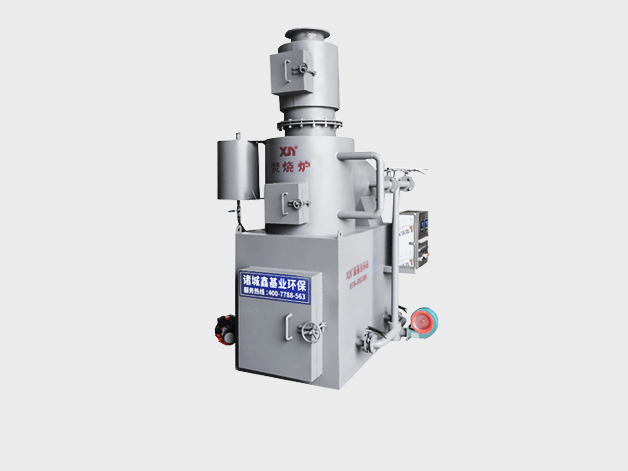
Zhucheng Xinjiye Environmental Protection Equipment Co., Ltd. provides innovative solutions that support businesses in minimizing waste. Their products are designed to help companies optimize waste management, reduce costs, and achieve sustainability goals.
A: Industrial waste reduction techniques involve strategies like recycling, repurposing, and minimizing resource consumption to reduce waste and environmental impact.
A: Companies can reduce industrial waste by implementing sustainable practices such as using reusable products, reducing packaging, and optimizing waste management systems.
A: Reducing industrial waste helps businesses lower costs, improve sustainability, and enhance their reputation while contributing to a cleaner environment.
A: Small businesses can adopt simple waste reduction techniques like going paperless, switching to bulk purchasing, and using color-coded bins for recycling.
A: Upcycling transforms old items into valuable resources, reducing waste and costs, and contributing to industrial waste reduction through creative reuse.
A: Digital documentation reduces paper waste, which is a significant source of industrial waste, leading to cost savings and more efficient operations.


