


Views: 0 Author: Site Editor Publish Time: 2026-01-16 Origin: Site


Waste management can be confusing, especially when it comes to terminology. Terms like "incinerator" and "e-waste" are frequently used but not always fully understood. In this article, we’ll explore six key waste terms and clarify their meanings. By the end, you’ll have a better understanding of how to navigate the world of waste disposal and management. You'll learn the essential definitions, benefits, and environmental impact of each term.
Waste can be classified in various ways, depending on its source, characteristics, and impact on health and the environment. Here, we’ll explore some of the most common classifications:
What is Municipal Solid Waste? Municipal Solid Waste (MSW) refers to the everyday garbage or trash generated by households, businesses, and institutions. It includes materials like paper, plastics, food waste, glass, and metals that are typically collected by local municipalities. These materials do not require specialized disposal processes and are considered non-hazardous.
MSW is the most common type of waste produced globally, and it poses significant challenges to waste management systems. Efficient processing and disposal of MSW are essential to reducing environmental impacts, such as pollution and the depletion of natural resources.
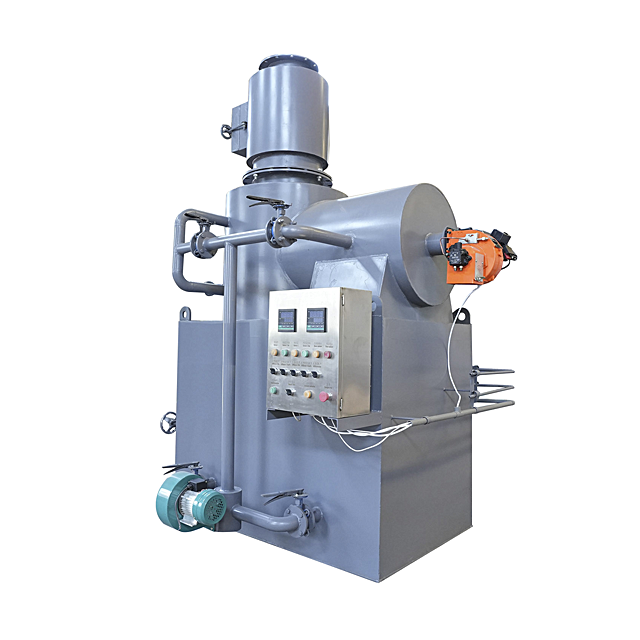
Incinerator Role in MSW Incinerators play a significant role in managing MSW by reducing its volume. Waste-to-energy (WTE) plants use incinerators to burn MSW at high temperatures, which not only reduces the waste volume by up to 90% but also generates energy. This energy recovery helps municipalities reduce their reliance on traditional power sources, contributing to sustainable urban infrastructure.
Tip: The use of incinerators for MSW can significantly reduce the space needed for landfills and provide a renewable energy source, making it an important part of urban waste management strategies.
What Makes Waste Hazardous? Hazardous waste is any waste material that poses a threat to human health or the environment. This includes substances like chemicals, solvents, pesticides, batteries, and medical waste. Hazardous waste can be toxic, flammable, corrosive, or reactive, and requires specialized handling and disposal methods to prevent harm.
This type of waste is subject to strict regulations, such as the Resource Conservation and Recovery Act (RCRA) in the U.S., which sets guidelines for safe disposal and storage. Hazardous waste can often be found in industries like manufacturing, healthcare, and electronics.
Incineration in Hazardous Waste Management Incineration is one of the most effective methods for managing hazardous waste. By burning hazardous materials at extremely high temperatures, incinerators break down toxic compounds into safer components. This process not only reduces the volume of waste but also neutralizes many hazardous chemicals.
Modern incinerators are equipped with advanced filtration systems to control emissions and ensure that dangerous by-products, such as dioxins and heavy metals, are minimized. This makes incineration a safer and more controlled method of disposing of hazardous materials compared to landfilling.
Tip: When dealing with hazardous waste, businesses must ensure they follow all environmental regulations, including proper incineration or disposal methods, to avoid legal liabilities and environmental damage.
Definition and Scope of E-Waste E-waste refers to discarded electronic devices, including old computers, televisions, smartphones, and other electrical products that have reached the end of their useful life. E-waste has become one of the fastest-growing waste streams globally due to the rapid advancement of technology and the increasing consumption of electronic products.
The problem with e-waste is that it contains a variety of materials, some of which are hazardous, like lead, mercury, and cadmium. Improper disposal of e-waste can lead to environmental contamination, particularly if toxic substances leach into the soil and water.
Incinerators and E-Waste While e-waste recycling is the preferred method for dealing with these materials, incineration is sometimes used to treat e-waste that cannot be effectively recycled. However, burning e-waste presents risks due to the harmful chemicals it contains. Therefore, specialized incinerators with advanced filtration systems are required to minimize the release of toxins.
Additionally, e-waste is often subjected to a combination of processes, including shredding, sorting, and chemical treatments, before incineration or final disposal.
Proper e-waste recycling and disposal programs are essential for reducing environmental impact. Businesses should encourage consumers to recycle electronics rather than discarding them in landfills or incinerators.
Waste processing refers to the methods used to handle and dispose of waste. While some methods focus on reducing the volume of waste, others aim to recover energy or extract valuable materials for reuse. Two major waste processing methods are incineration and landfilling:
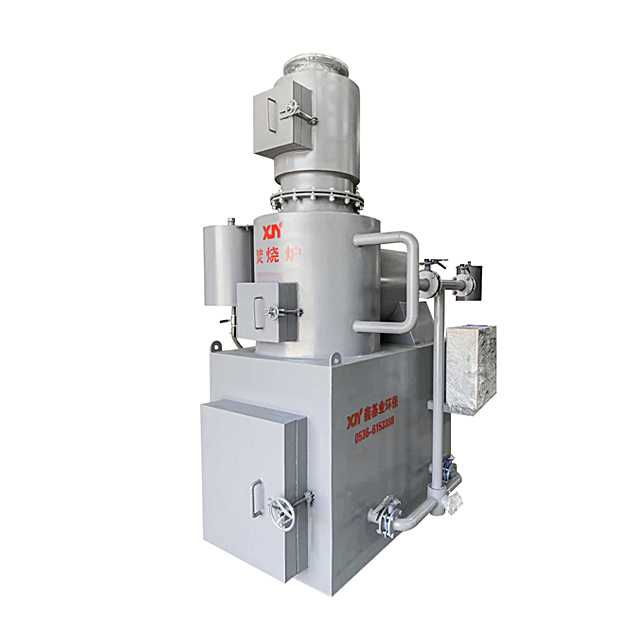
What is Incineration? Incineration is a waste treatment process that involves burning waste at high temperatures to reduce its volume. It is commonly used for non-recyclable waste, including municipal solid waste, hazardous materials, and e-waste.
In addition to volume reduction, incineration can also be used to generate energy. In Waste-to-Energy (WTE) plants, the heat generated during the incineration process is converted into electricity or steam, which can be used to power homes and businesses.
Key Benefits of Incineration:
● Energy Recovery: Incinerators can convert waste into electricity, helping reduce reliance on fossil fuels.
● Waste Reduction: Incineration significantly reduces waste volume, preventing it from occupying valuable landfill space.
● Pollution Control: Modern incinerators are equipped with advanced filtration systems to capture harmful pollutants like carbon monoxide, dioxins, and heavy metals, ensuring that emissions remain within safe levels.
Benefit | Description |
Energy Recovery | Incinerators convert waste into energy, reducing reliance on fossil fuels. |
Waste Volume Reduction | Incineration reduces waste by up to 90%, lowering landfill usage. |
Pollution Control | Modern incinerators are equipped with advanced filtration systems to minimize harmful emissions. |
Reduced Landfill Reliance | Reduces the need for landfills, alleviating land space constraints. |
Related Terms:
● Waste-to-Energy (WTE): This refers to the process of generating energy from waste materials through combustion. It plays a key role in reducing reliance on traditional energy sources and managing waste.
● Incinerator Types: Incinerators come in different designs based on the type of waste and their processing capacity. These include rotary kiln incinerators, fluidized bed incinerators, and moving grate incinerators.
The Role of Landfills in Waste Management A landfill is a site where waste is buried and disposed of in the ground. Landfills are designed to contain waste in a controlled manner, but over time, waste decomposes and produces gases like methane, which can contribute to climate change.
Although landfills remain one of the most common methods of waste disposal, they present significant environmental challenges. These challenges include leachate contamination of groundwater and the release of methane gas, which is a potent greenhouse gas.
Types of Landfills:
● Sanitary Landfills: These are designed with liners and leachate collection systems to protect the environment from contamination.
● Hazardous Waste Landfills: These are specifically designed to dispose of hazardous waste, such as chemicals and toxic materials.
● Municipal Landfills: These landfills accept non-hazardous household and commercial waste, including organic materials, plastics, and paper.
Environmental Concerns: Landfills are a major source of methane emissions, which are a potent driver of climate change. In addition, the leachate produced as waste decomposes can contaminate surrounding soil and water, posing risks to ecosystems and human health.
Reducing reliance on landfills by increasing recycling and composting rates can help mitigate the environmental impact of waste management.
Landfill Type | Environmental Impact |
Sanitary Landfills | Minimizes contamination with liners and leachate collection. |
Hazardous Waste Landfills | Designed for toxic materials but can still pose risks if improperly managed. |
Municipal Landfills | Produces methane and leachate, leading to contamination unless properly managed. |
Recycling and reuse are two key strategies in waste management aimed at reducing the need for raw materials and minimizing waste. These terms are integral to achieving a circular economy, where products and materials are reused, remanufactured, or recycled instead of being disposed of.
What is Closed-Loop Recycling? Closed-loop recycling is a process where products are recycled back into the same type of product. For example, recycling PET bottles into new PET bottles is considered closed-loop recycling. This approach helps conserve raw materials and reduces the need for virgin resources.
Benefits of Closed-Loop Recycling:
● Resource Conservation: It conserves valuable materials, reducing the need for extraction of new raw materials.
● Waste Reduction: It significantly reduces the amount of waste sent to landfills, helping to close the loop on the lifecycle of products.
Incineration vs. Closed-Loop Recycling: While closed-loop recycling focuses on reusing materials in their original form, incineration is a viable alternative for non-recyclable materials. Incineration can reduce waste volume and generate energy, but it doesn't contribute to resource conservation in the same way as closed-loop recycling.
What is Upcycling? Upcycling involves transforming waste materials into new products of higher value. For instance, old furniture might be repurposed into unique home decor, or discarded wood could be used to create artwork. Upcycling encourages creativity while reducing waste.
Benefits of Upcycling:
● Waste Reduction: Upcycling helps divert waste from landfills and repurposes it into something useful.
● Resource Conservation: It reduces the need for new materials, conserving natural resources.
● Promotes Creativity: Upcycling fosters innovation in product design and helps create one-of-a-kind items that would otherwise be thrown away.
Understanding Waste Minimization Waste minimization focuses on reducing the amount of waste generated in the first place. This can be achieved through better product design, packaging reduction, or changing production processes to minimize by-products.
By focusing on waste minimization, businesses can cut costs associated with disposal, reduce their environmental footprint, and improve their sustainability profile.
What is EPR?
Extended Producer Responsibility (EPR) is a policy approach that shifts the responsibility for product disposal from the consumer or local governments to the producers or manufacturers. Under EPR, producers are held accountable not only for the manufacturing and distribution of their products but also for the entire lifecycle of those products, including their eventual disposal or recycling once they have been used. This concept encourages companies to take responsibility for the end-of-life management of their products, reducing the environmental impact and promoting sustainable practices.
EPR laws typically require manufacturers to set up systems for collecting and recycling their products after use, or to pay into a fund that supports waste management and recycling efforts. This policy is increasingly being adopted around the world as governments seek to reduce waste, minimize landfill usage, and promote sustainability.
Benefits of EPR:
● Eco-Friendly Product Design: Manufacturers are incentivized to create products that are easier to recycle and have less environmental impact.
● Reduction in Waste: EPR programs help reduce the amount of waste that ends up in landfills and promote recycling and reuse.
In this article, we explored six critical waste terms, such as municipal solid waste, hazardous waste, and incineration. Understanding these terms can help you make informed decisions about waste management and sustainability. Zhucheng Xinjiye Environmental Protection Equipment Co., Ltd. offers effective solutions for waste treatment, including incineration technologies that reduce waste volume and contribute to energy recovery.
A: Municipal Solid Waste refers to everyday garbage produced by households and businesses, including paper, plastics, and food waste. It’s typically collected for disposal or recycling.
A: Incinerators burn waste at high temperatures, reducing its volume by up to 90% and often converting it into energy. They help reduce landfill reliance and contribute to waste-to-energy systems.
A: Hazardous waste includes materials harmful to human health or the environment, like chemicals or medical waste. Proper disposal is essential to prevent contamination.
A: Incineration effectively handles hazardous waste by breaking down harmful substances at high temperatures. It reduces the volume and minimizes harmful emissions with advanced filtration systems.
A: E-waste consists of discarded electronic devices, like computers and phones. It is typically recycled to recover valuable materials, but incineration is sometimes used when recycling isn’t feasible.
A: Waste minimization focuses on reducing the amount of waste generated, which helps lower disposal costs and reduces environmental impact. It encourages sustainable practices in product design and consumption.


